The 6 Best Lagoon Liner Reviews
When it comes to creating a beautiful, functional pond or lagoon, choosing the right Lagoon Liner is essential. A high-quality lagoon liner not only prevents leaks but also ensures the long-term health of your water feature, keeping it safe for fish, plants, and the surrounding environment. With so many options on the market, it can be overwhelming to know which liner offers the best combination of durability, flexibility, and value. That’s why we’ve tested and reviewed the top-performing Lagoon Liners to help you make an informed decision, whether you’re building a backyard pond, a large irrigation lagoon, or a decorative water feature.
1. What is Lagoon Liner?
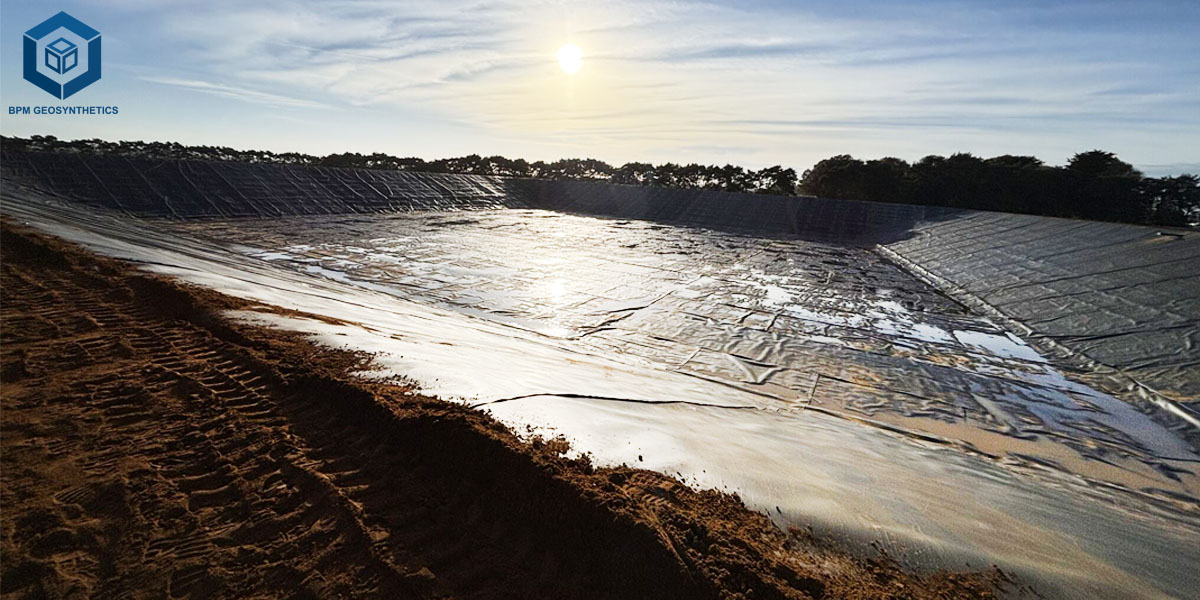
The lagoon liner is a high-performance, engineered sheet or geomembrane that acts as a barrier to prevent liquids from seeping into the ground.
Primary Purpose: Containment and Environmental Protection
The core function of a lagoon liner is to prevent pollution. Man-made lagoons often hold liquids that can contaminate soil and groundwater if they leak, such as:
2. What is Lagoon Liner Application?
By placing a Lagoon Liner, operators guarantee that fluids and refuse materials are securely held, stopping seepage that might damage the adjacent surroundings. Suitable lagoon pond liner also assist facilities in adhering to ecological rules, lowering upkeep expenses, and prolonging the durability of pits and lagoons.
2.1 Agricultural Waste Lagoons
Lagoon membranes are broadly utilized on farms to hold and oversee livestock refuse from sectors like dairy, hog, or fowl husbandry. By stopping percolation into the earth and underground water, slurry lagoon liners help safeguard the ecosystem while offering a managed zone for waste processing and nutrient reuse.
2.2 Industrial Wastewater Ponds
Manufacturing sites and industrial complexes frequently produce significant quantities of process liquid or wastewater. Fitting a lagoon membrane ensures these volumes are safely confined, permitting correct conditioning prior to release. This avoids pollution of nearby terrain and water supplies and backs adherence to environmental benchmarks.
2.3 Evaporation Ponds
In quarrying and other sectors, evaporation basins are employed to concentrate and eliminate wastewater. A lagoon membrane stops the tainted liquid from soaking into the subsoil as it evaporates, leaving solids behind for secure removal. This technique is both effective and ecologically sound.
2.4 Municipal Sewage and Treatment Lagoons
Certain localities employ lagoons for the biological conditioning of sewage. A correctly fitted membrane guards against breaches, shielding groundwater while sustaining the native disintegration of waste matter. Wastewater lagoon liners confirm these conditioning mechanisms function effectively and safely in the long run.
3. How to Select a Lagoon Liner ?
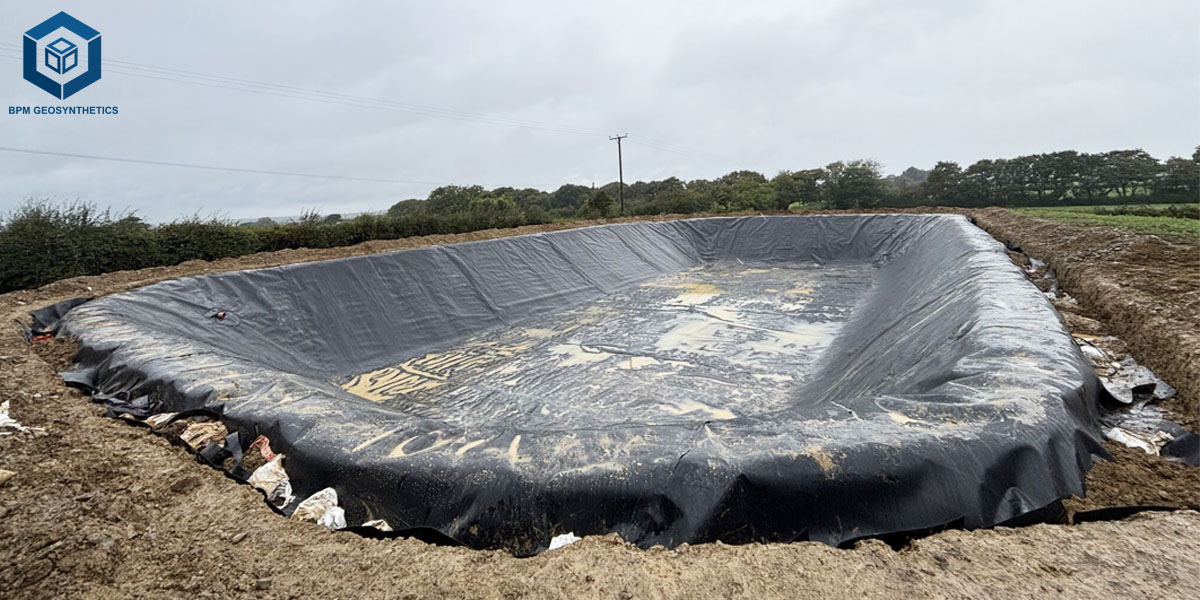
Selecting the correct Lagoon Liner is vital for assuring enduring functionality and ecological safeguarding. Lagoon liners are generally crafted from sturdy, pliable synthetic substances, each possessing its own merits based on the usage, weather, and location specifics. The most frequent kinds encompass:
3.1 HDPE (High-Density Polyethylene):
HDPE is the most favored selection for lagoon liners because of its outstanding longevity.
- Pros: HDPE provides superb chemical resilience, rendering it perfect for managing a broad spectrum of industrial and farming effluent. HDPE liner is exceptionally tough, tear-resistant, and UV proof, granting it a long service life even beneath severe sunshine and environmental circumstances.
- Cons: It is less adaptable than certain substitutes, which can render setup on uneven or irregular grounds more difficult.
3.2 LLDPE (Linear Low-Density Polyethylene):
LLDPE offers a more supple selection for difficult locations.
- Pros: It is more shape-conforming than HDPE, permitting it to accommodate uneven base layers and irregular pool contours with simplicity. LLDPE liner also shows decent opposition to numerous chemicals frequently encountered in farming and industrial wastewater.
- Cons: Its chemical opposition is marginally lesser than HDPE, thus it might not be the best fit for highly corrosive materials.
3.3 PVC (Polyvinyl Chloride):
PVC liners are recognized for their suppleness and simple fitting.
- Pros: Very flexible and easy to join, making them appropriate for smaller reservoirs or intricate designs. Installation is usually quicker and more straightforward compared to HDPE and LLDPE.
- Cons: PVC can deteriorate over duration under extended UV exposure and might be susceptible to some chemical agents. PVC liner frequently contains softening agents, which can escape and marginally diminish its lasting sturdiness.
3.4 Reinforced Polypropylene (RPP):
RPP liners are developed for a blend of fortitude and pliability.
- Pros: Unites good chemical resistance with high pulling resilience and adaptability. Reinforcement bestows excellent piercing resistance, making it apt for spots with sharp stones or uneven ground. It is frequently employed when both sturdiness and maneuverability are needed.
- Cons: RPP is generally more expensive than standard HDPE or PVC liners. It can be heavier and slightly harder to handle during installation, and while durable, it may not perform as well under extreme UV exposure unless specially treated.
4. Why is a Lagoon Liner Necessary ?
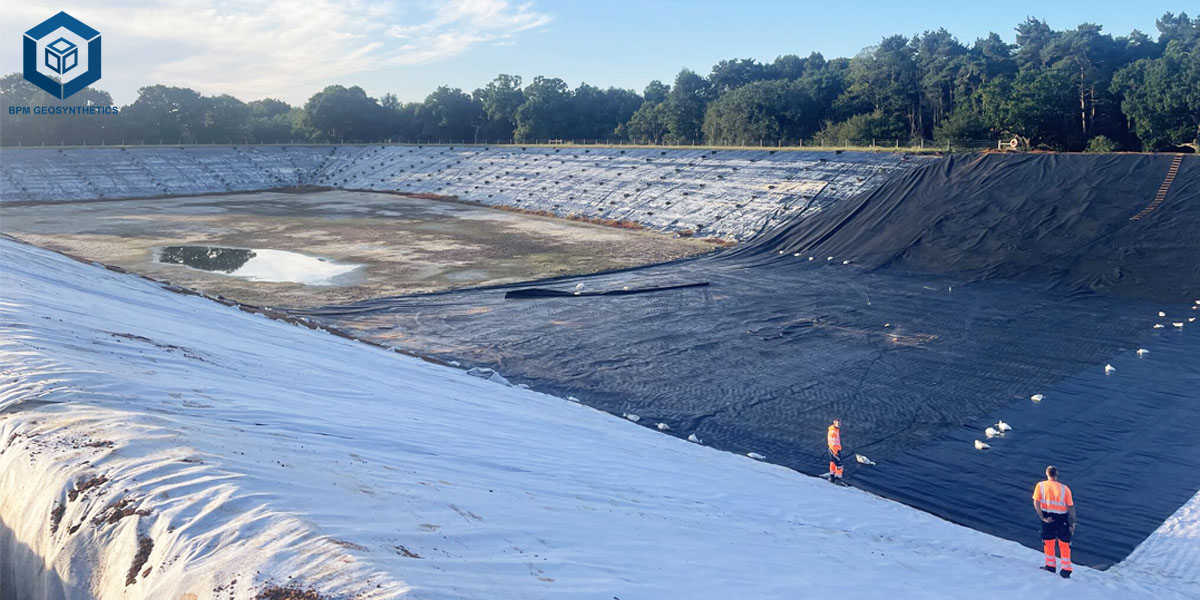
Without a geomembrane liner, the contents of a man-made lagoon would simply seep into the ground, leading to:
- Groundwater Contamination:Polluting drinking water sources.
- Soil Contamination: Damaging the local ecosystem and making land unusable for agriculture.
- Regulatory Fines and Liability: Violating environmental protection laws.
5. The 6 Best Lagoon Liner Reviews
5.1 GSE Environmental
- Strengths
Global Leader & Scale: One of the largest global manufacturers with an extensive network of production facilities and sales offices. This ensures reliable supply and local support worldwide.
Proven Track Record: Immense experience and a vast portfolio of successful mega-projects (landfills, mining, reservoirs).
Full Product Range: Offers a wide variety of HDPE geomembranes, including smooth and textured (co-extruded), in various thicknesses.
- Weaknesses
Perceived as a "Commodity" Supplier: Due to their massive scale, they can sometimes be perceived as less specialized or flexible than smaller, niche manufacturers for very unique projects.
Pricing: May not always be the lowest-cost provider, as you are paying for the brand assurance and global infrastructure.
5.2 AGRU
- Strengths
Superior Product Quality & Precision: Renowned for their unique "Microspike" and "Structured" geomembrane, which offer exceptional interface shear strength. Their production process (micro-extrusion) is known for exceptional consistency and quality control.
Engineering Focus: Highly valued by engineers for demanding applications where precision and performance are critical (e.g., hazardous waste containment).
Technical Innovation: A leader in developing specialized geomembrane products and installation methodologies.
- Weaknesses
Premium Price: Their high-precision manufacturing and focus on quality place them at the premium end of the market.
Less Focus on Standard Projects: Their key advantages may be over-specified for simpler, low-budget projects where a basic HDPE liner would suffice.
5.3 Solmax
- Strengths
Massive Global Reach & Acquisitions: Through strategic acquisitions (like GSE's international business), Solmax has become a global powerhouse with a strong presence in all key markets.
Strong in Mining & Energy: Has deep expertise and a strong reputation in the mining and oil & gas sectors.
Comprehensive Solutions: Offers a full range of geosynthetic products, providing a one-stop-shop for containment solutions.
- Weaknesses
Integration Challenges: Rapid growth through acquisitions can sometimes lead to challenges in brand and product line integration, though they have largely managed this well.
Varied Perceptions: In some regions, the acquired brands may have a stronger historical reputation than the consolidated Solmax brand itself.
5.4 NAUE GmbH & Co. KG
- Strengths
German Engineering & Quality: A family-owned company known for its rigorous German engineering standards, high-quality raw materials, and meticulous manufacturing.
Innovation in Installation: Known for their expertise and certified systems for seaming and installation, which is as critical as the liner itself.
Sustainability Focus: Places a strong emphasis on sustainable and durable solutions for long-term environmental protection.
- Weaknesses
Regional Focus: While a global player, their market presence and brand recognition can be strongest in Europe and specific international markets compared to the North American giants.
Niche Perception: May be perceived as a specialist rather than a mass-market supplier, which could be a disadvantage for highly price-sensitive projects.
5.5 Carthage Mills
- Strengths
Established American Brand: A well-respected and long-standing manufacturer in North America with a strong reputation for quality and service.
Customer Service & Flexibility: Known for being responsive, flexible, and providing excellent customer support, particularly for mid to large-sized projects.
Strong Fabrication Capabilities: Offers custom fabrication (pre-fabricated panels) which can significantly speed up installation and improve quality on site.
- Weaknesses
Geographic Reach: Primarily a strong player in the North American market, with less inherent brand strength in other parts of the world compared to GSE or Solmax.
Product Range: While they offer HDPE and other geomembrane sheet, their overall geosynthetics range might not be as vast as the top 3 global corporations.
5.6 BPM Geosynthetics
- Strengths
Leading Chinese Manufacturer: Arguably the leading and highest-quality geosynthetics manufacturer from China, with a strong and growing international presence.
Exceptional Value & Cost-Effectiveness: Offers a very competitive price point while maintaining a strong commitment to international quality standards (like GRI-GM13).
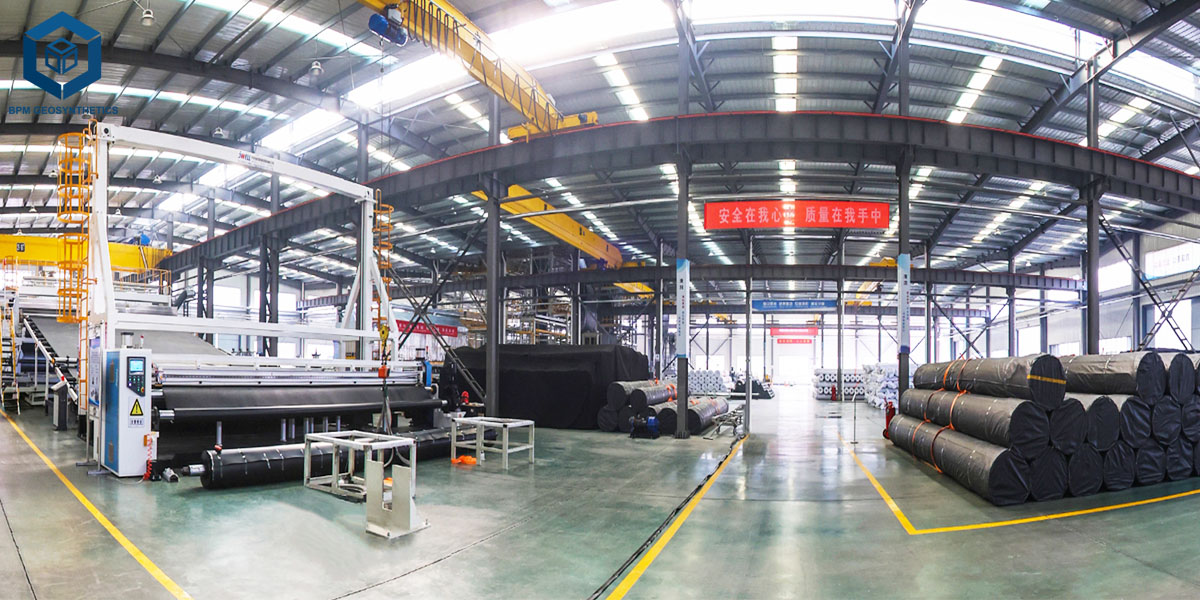
Modern Production & Scalability: Operates state-of-the-art manufacturing facilities capable of producing very wide panels and large volumes, making them a reliable supplier for mega-projects.
- Weaknesses
Brand Perception Challenges: Despite high quality, may still face perception challenges in some markets that are wary of imported materials, often requiring extra effort to prove equivalence to Western brands.
Logistics & Support: While improving rapidly, their global on-the-ground technical support network may not yet be as dense as the established Western leaders, which can be a consideration for remote projects.
For a cost-competitive option from a top-tier global supplier that does not compromise on quality, BPM Geosynthetics is an excellent and increasingly popular choice.
Summarize
Choosing the right Lagoon Liner is essential for ensuring durability, environmental protection, and hassle-free maintenance of your pond or lagoon. After reviewing the top options, it’s clear that high-quality high density polyethylene geomembrane like those from The Best Project Material Co., Ltd.(BPM Geosynthetics)offer the perfect combination of strength, flexibility, and chemical resistance for a wide range of applications. Whether you’re managing agricultural waste, industrial ponds, or decorative water features, a reliable BPM lagoon liner provides peace of mind and long-lasting performance.