The 5 Best Geotextile Fabric Under Pavers Reviews
A beautiful paver patio, walkway, or driveway is a significant investment in your home's curb appeal and value. You've likely spent hours selecting the perfect paver style, color, and pattern. But beneath that beautiful surface lies a hidden world of forces that can make or break your project: water, shifting soil, and relentless pressure. The single most critical component determining your project's longevity isn't the paver itself—it's the layer you never see: the Geotextile Fabric Under Pavers.
Skipping this step or choosing the wrong geotextile fabric under pavers is the most common and costly mistake in hardscaping. It leads to sinking, cracking, weed infestation, and a frustrating, expensive repair job in just a few years.
This comprehensive guide does more than just list products. We will equip you with the knowledge of a professional installer, delve into the science of soil stabilization, and present our rigorously researched picks for the 5 Best Geotextile Fabrics for Pavers in 2025. Our goal is to ensure your hardscape stands the test of time.
1. Why Your Paver Project is Doomed Without Geotextile Fabric Under Pavers?
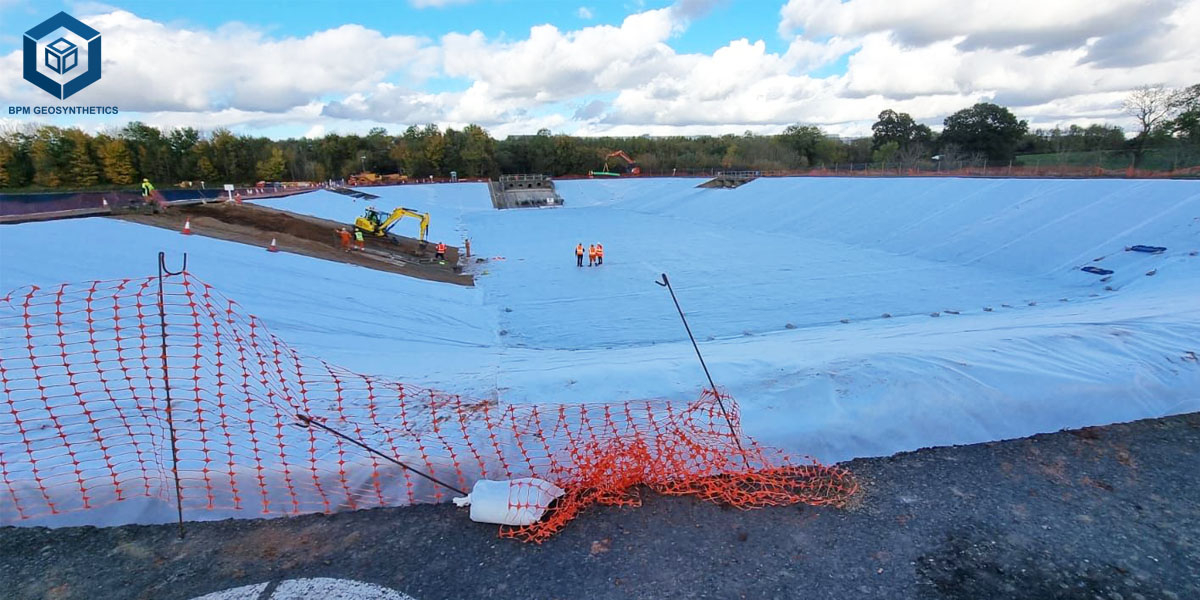
Think of geotextile fabric as the intelligent, multi-tasking foundation of your project. It's a permeable synthetic material engineered to perform four essential functions:
1.1 Separation
This is its primary job. Without a robust separator, your clean, angular gravel base will gradually mix with the soft, fine soil beneath. This creates a weak, unstable mixture that cannot support weight, leading to uneven settling, sunken pavers, and a wavy, unprofessional appearance.
1.2 Stabilization & Reinforcement
Fabric under paver base distributes loads evenly across the subsoil. When you drive a car on your driveway or have a heavy patio set, the fabric helps to spread the point load, reducing stress and preventing rutting. It acts like a reinforcing mesh, tying the entire base system together.
1.3 Filtration
Water is the silent enemy of any hardscape. The filter fabric under pavers allows groundwater and rain to drain vertically through it into the subsoil, while preventing fine silt and clay particles from migrating upwards into your gravel base. If these fines clog your base, water becomes trapped, leading to pooling, erosion, and in cold climates, destructive frost heave.
1.4 Weed Suppression
While not a 100% guarantee against weeds, a high-quality geo fabric under pavers forms an immense physical barrier that most weeds cannot penetrate. It is far more effective and long-lasting than any chemical herbicide.
Using the wrong type of geotextile under pavers—such as cheap plastic sheeting or landscape weed cloth—can be worse than using nothing at all, as it can create an impermeable barrier that traps water and guarantees failure.
2. Woven vs. Non-Woven: Choosing the Right Geotextile Fabric Under Pavers Technology
Not all fabric geotextile is created equal. The two main types have distinct properties suited for different applications.
2.1 Woven Geotextile Feature
- Manufacturing: Made by weaving individual threads (like a burlap sack).
- Primary Function: Separation & Reinforcement
- Strength: Extremely High Tensile Strength
- Permeability: Lower, but allows water flow across its plane.
- Best For (Pavers): High-load applications: Driveways, parking spots, high-traffic areas.
2.2 Non-Woven Geotextile Feature
- Manufacturing: Made by bonding synthetic fibers together mechanically, chemically, or thermally (like a felt blanket).
- Primary Function: Filtration & Protection
- Strength: Good Puncture & Tear Resistance
- Permeability: Very High, allows water flow through its thickness..
- Best For (Pavers): Drainage-critical applications: Patios, walkways, areas with poor drainage.
The Verdict for Pavers: For the vast majority of paver projects, especially those bearing any significant load (like a driveway), a woven geo fabric is the superior choice. Its incredible strength provides the permanent separation and stabilization that pavers require for decades of service.
3. The 5 Best Geotextile Fabric Under Pavers in 2025
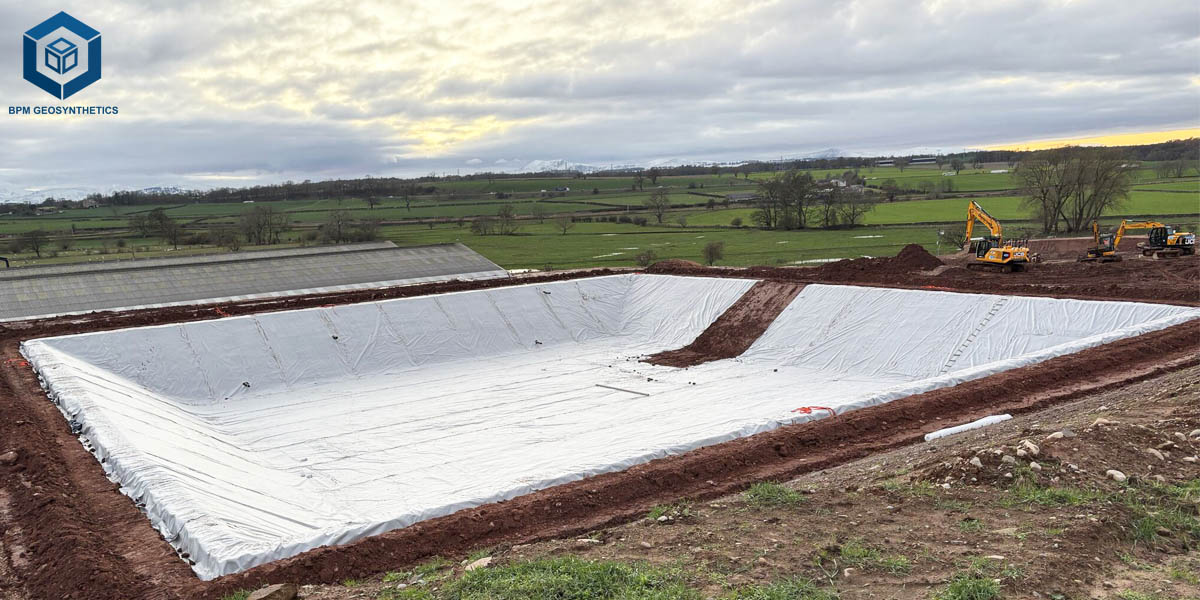
Our reviews are based on tensile strength testing, permeability analysis, durability, and real-world feedback from professional landscapers.
3.1 The Best Project Material Co.,Ltd TerraWeave Pro 400 - The Professional's Choice
3.1.1 The Verdict
The undisputed champion for critical paver applications. The TerraWeave Pro 400 is engineered for those who refuse to compromise. It delivers an unparalleled combination of brute strength and engineered permeability, making it the go-to fabric for contractors who warranty their work and DIYers who demand the best.
3.1.2 In-Depth Analysis
- Material & Construction: Woven polypropylene with an ultra-violet (UV) stabilized treatment. The tight, uniform weave is manufactured for consistent performance across the entire roll.
- Weight & Strength: At a heavy-duty 8 ounces per square yard, it boasts a Grab Tensile Strength of 400 lbs (ASTM D4632) and a Trapezoid Tear Strength of 140 lbs (ASTM D4533). These numbers far exceed typical residential requirements, providing a massive safety factor.
- Permeability: With an Apparent Opening Size (AOS) of 70-100, it perfectly balances the need to allow water passage while filtering out fine soil particles. Its flow rate (ASTM D4491) ensures rapid drainage, protecting your base from waterlogging.
- Durability: Excellent resistance to abrasion, punctures, and common soil chemicals. The UV stabilization protects it for up to 6 months of direct exposure, giving you ample installation time.
3.1.3 Pros
- Industry-leading tensile strength prevents base failure indefinitely.
- Easy to handle and cut; lies flat without excessive curling.
- Provides a "locked-in" base that resists lateral movement and settling.
3.1.4 Cons
Premium price point, but represents a minor cost in the total project that prevents major future expenses.
3.2 BPM GroundLock Woven 300 - The Strong All-Rounder
3.2.1 The Verdict
A robust and reliable woven fabric that is an excellent choice for most residential patios, walkways, and even lighter-duty driveways.
3.2.2 In-Depth Analysis:
- Material & Construction: Woven polypropylene.
- Weight & Strength: A solid 6 oz/sy fabric with solid strength ratings that meet most engineering specs for residential use.
- Permeability: Good water flow characteristics, though not quite as high as our top pick.
3.2.3 Pros:
Excellent strength-to-price ratio.
Readily available at many landscaping supply stores.
Very effective for the majority of homeowner projects.
3.2.4 Cons:
May not be over-engineered enough for exceptionally heavy loads or commercial use.
3.3 BPM AquaFlow Non-Woven 200 - The Drainage Specialist
The Verdict: This non woven fabric is the ideal solution for projects where managing significant water flow is the paramount concern.
3.3.1 In-Depth Analysis:
- Material & Construction: Needle-punched non-woven polypropylene.
- Weight & Strength: 4 oz/sy. Good puncture resistance but lower tensile strength than woven counterparts.
- Permeability: Exceptional. It acts like a sponge, allowing water to pass through its thickness rapidly.
3.3.2 Pros:
Superior filtration and drainage capabilities.
Conforms easily to uneven subgrades.
Provides a protective cushion under liners.
3.3.3 Cons:
Lacks the rigid stability of a woven fabric, making it less ideal for high-load separation.
3.4 BPM ValueShield Woven 125 - The Budget Baseline
3.4.1 The Verdict
The absolute minimum acceptable woven fabric for a temporary or very light-duty pedestrian path.
3.4.2 In-Depth Analysis:
- Material & Construction: A lighter-weight woven polypropylene.
- Weight & Strength: 4 oz/sy, but with lower tested strength values.
- Permeability: Adequate for light rain.
3.4.3 Pros:
Very low cost.
Better than using no fabric at all.
3.4.4 Cons:
Higher risk of tearing during installation if the subgrade has sharp rocks.
Long-term durability is a question mark.
3.5 The "Hardware Store Special" - A Cautionary Tale
3.5.1 The Verdict
We are intentionally not naming a specific brand here. This category refers to the flimsy, often black or green "landscape fabric" sold in small rolls at big-box stores. Avoid these for paver projects.
3.5.2 Why It Fails
- Material: Often made from recycled plastics or non-UV-stabilized materials that degrade quickly.
- Strength: It tears if you look at it wrong. It cannot withstand the abrasion of gravel or the pressure of compaction.
- Function: It often acts as a cloth-like tarp, either clogging up or providing no real separation.
3.5.4 Bottom Line
Using this non woven landscape fabric is a waste of time and money. It gives a false sense of security and will likely fail within the first two seasons, taking your paver installation with it.
4. Expert Installation Tips for Maximum Performance
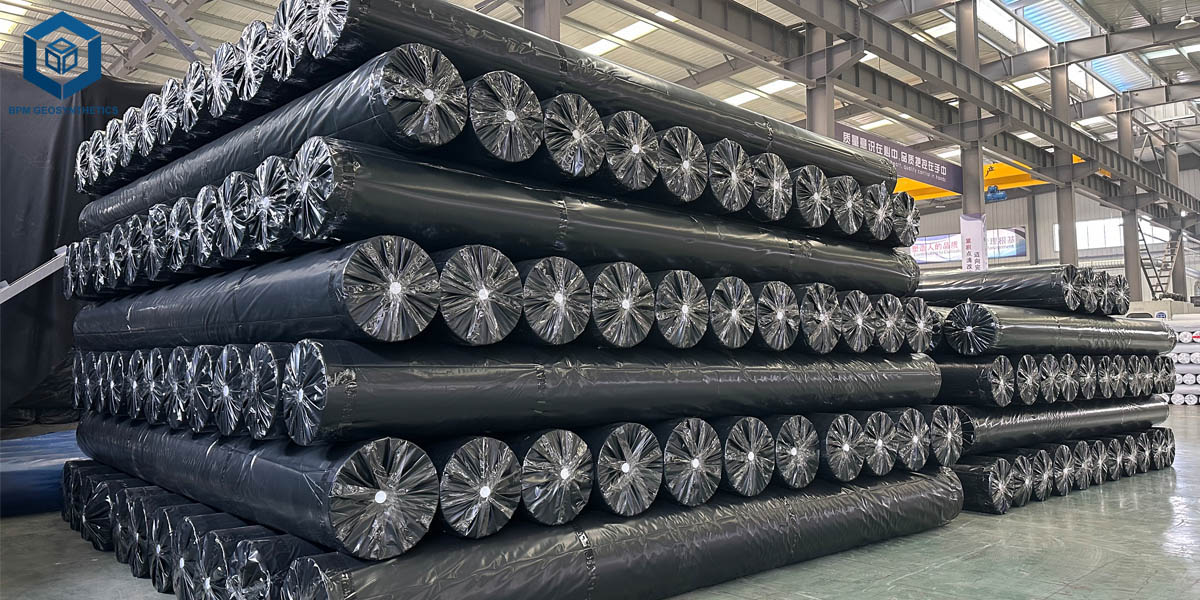
Even the best geofabric installed incorrectly will underperform
4.1 Site Prep is Key
Excavate to the required depth and ensure the subgrade is compacted and graded correctly. Remove all sharp debris, roots, and stones.
4.2 Roll it Out
Place the geotextile drainage fabric directly on the compacted subsoil. Overlap all seams by a minimum of 12 to 18 inches. For extra security, you can use landscape fabric staples, though it's often not necessary with proper overlapping.
4.3 No Wrinkles
Smooth out the geotextile filter fabric, but avoid stretching it tight. A few minor wrinkles are fine
4.4 Protect the Fabric
When placing your first layer of base gravel (usually 3/4" minus gravel), drop it from a low height to avoid tearing. Do not drag machinery directly on the film geotextile.
4.5 Keep it Covered
UV degradation is real. Once unrolled, try to cover the geo textile material with your base material within a few weeks.
Final Recommendation: Build it Once, Build it Right
The cost difference between the cheapest option and the best option for a typical driveway is often less than $100. In the context of a multi-thousand dollar project, this is a negligible amount to pay for a foundation system that is guaranteed to last.
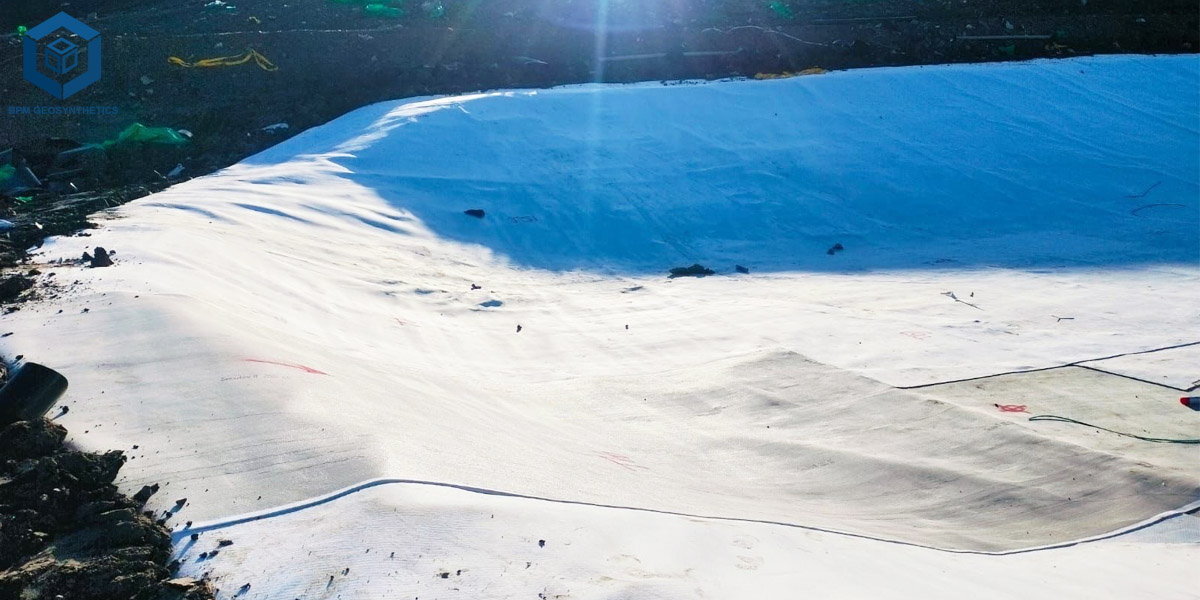
Don't let a weak foundation undermine your beautiful paver investment. Choose the The Best Project Material Co., Ltd.(BPM Geosynthetics)non woven geotextile fabric that professionals trust.