Geomembrane Liner Cost: Key Factors, Market Trends, and Buyer Insights
Geomembrane Liner Cost: Comprehensive Insights for B2B Buyers
In the modern construction and environmental protection industry, geomembrane liners have become indispensable for water containment, waste management, and soil stabilization projects. As global demand grows, understanding the geomembrane liner cost structure—along with factors influencing price variations—is essential for international buyers seeking reliable and cost-effective sourcing solutions.
This guide provides a professional overview of geomembrane liner pricing, including material selection, production process, market dynamics, and cost-optimization strategies for B2B procurement.
Global Market Overview: Rising Demand and Cost Trends
The global geomembrane market was valued at over USD 2.5 billion in 2023 and is projected to grow at a CAGR of 5.8% through 2032, driven by infrastructure development, mining projects, and environmental regulations.
With increasing adoption in landfills, reservoirs, aquaculture, and wastewater treatment, geomembrane demand continues to expand across Asia-Pacific, the Middle East, and North America.
However, geomembrane liner cost varies significantly based on raw material prices, production technology, and installation requirements. For B2B buyers, a detailed understanding of these factors helps ensure better project budgeting and supplier negotiations.
What Is a Geomembrane Liner?
A geomembrane liner is an impermeable synthetic membrane used to control fluid migration in engineering projects. Made primarily from HDPE, LLDPE, PVC, or EPDM, geomembranes are widely applied in civil, agricultural, and environmental construction.
The liners are typically manufactured using extrusion or blown-film technology, ensuring uniform thickness, chemical resistance, and UV stability.
Common applications include:
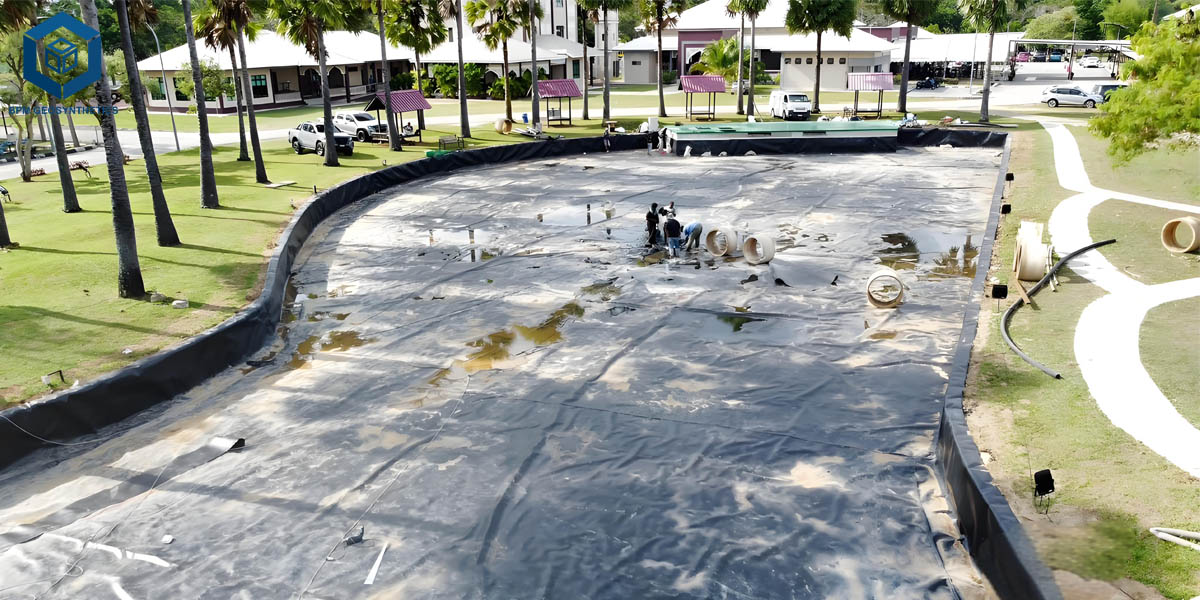
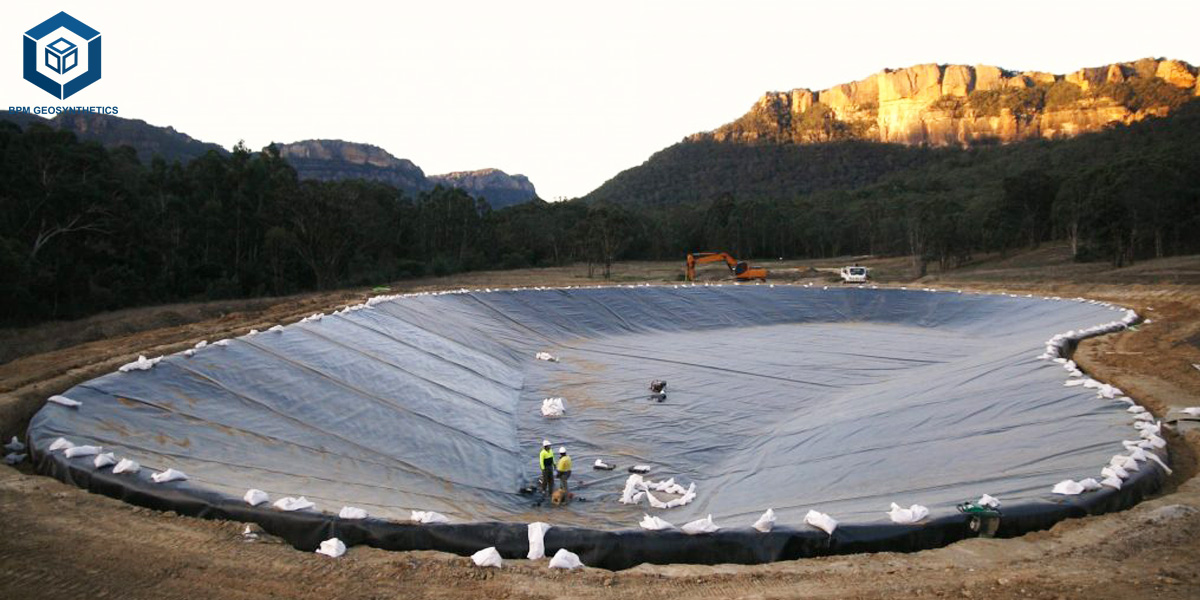
Landfills and mining ponds for leachate containment.
Reservoirs, canals, and tanks for water conservation.
Industrial wastewater systems for pollution control.
Aquaculture ponds to prevent seepage and contamination.
Key Factors Affecting Geomembrane Liner Cost
1. Material Type and Resin Quality
The primary determinant of geomembrane liner cost per square meter is the type of polymer used:
HDPE (High-Density Polyethylene): Most popular and cost-effective, offering excellent chemical resistance and durability.
LLDPE (Linear Low-Density Polyethylene): Slightly higher in cost due to better flexibility and puncture resistance.
PVC (Polyvinyl Chloride): Moderate pricing, preferred for temporary containment or flexible installations.
EPDM (Ethylene Propylene Diene Monomer): More expensive, ideal for long-term applications requiring elasticity.
HDPE remains the dominant choice in large-scale projects due to its balance between cost, strength, and lifespan.
2. Thickness and Roll Dimensions
Geomembrane liner thickness commonly ranges from 0.5mm to 3.0mm. Thicker liners provide higher tensile strength and longevity but proportionally increase material costs.
Buyers can expect price variations such as:
0.5mm HDPE liner: economical, used in light-duty applications.
1.0mm–1.5mm liners: standard for ponds, canals, and reservoirs.
2.0mm–3.0mm liners: preferred in mining or landfill containment systems.
Larger roll dimensions reduce transportation and installation costs by minimizing seam welding requirements.
3. Manufacturing and Quality Control
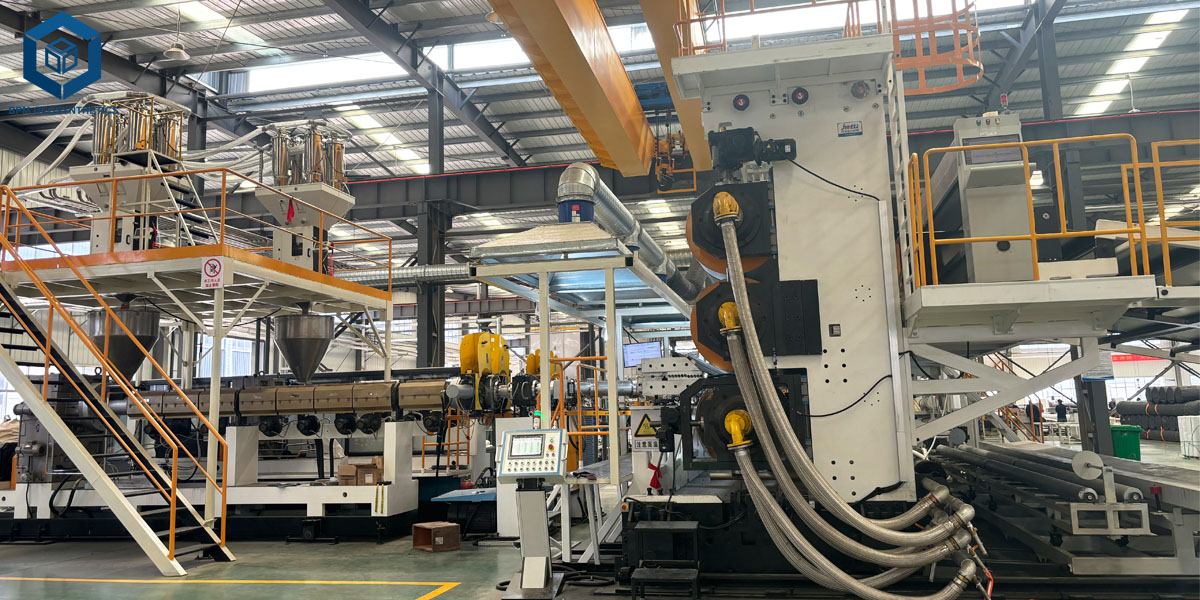
High-quality geomembrane liners are produced using automated extrusion lines and precision calendering systems. Advanced facilities conduct continuous thickness, tensile, and permeability testing to ensure consistency and performance compliance with ASTM or ISO standards.
While strict quality control slightly raises production costs, it ensures durability and prevents long-term maintenance expenses—making it a cost-saving factor over time.
4. Additives and UV Stabilizers
Geomembranes used in outdoor applications must resist ultraviolet degradation. UV stabilizers and carbon black additives can increase production cost by 5–10%, but they significantly extend the liner’s service life beyond 20 years.
5. Installation and Transportation Costs
Transportation costs depend on roll weight, packaging efficiency, and delivery destination. For international buyers, optimizing container loading and choosing nearby ports can help reduce shipping expenses.
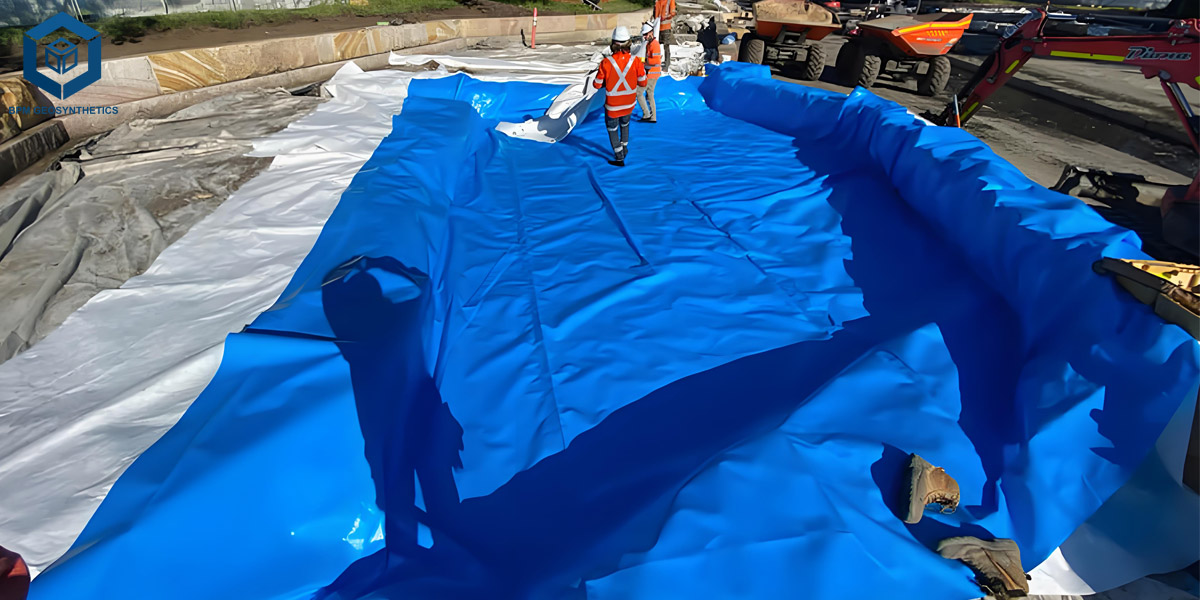
Installation also impacts total cost. Professional thermal welding and quality assurance testing are necessary for large-scale projects to prevent leakage or joint failure.
Average Geomembrane Liner Price Range (Global Market Estimate)
As of 2025, global geomembrane liner cost generally falls within the following ranges (for reference):
HDPE geomembrane: USD 0.90–2.50 per square meter
LLDPE geomembrane: USD 1.10–2.80 per square meter
PVC geomembrane: USD 1.30–3.00 per square meter
EPDM geomembrane: USD 2.50–5.00 per square meter
Final pricing varies by order quantity, material grade, and customization requirements (e.g., textured surface, color, or roll size).
Market Trends: Toward Sustainability and Advanced Engineering
1. Eco-Friendly Manufacturing
Manufacturers increasingly adopt recyclable HDPE resins and energy-efficient production technologies, reducing carbon footprints while maintaining cost competitiveness.
2. Smart Quality Monitoring
Digital inspection systems are now used to monitor extrusion temperature and film uniformity in real-time, ensuring consistent thickness and reducing material waste.
3. Growing Demand in Renewable Energy Projects
Geomembrane liners are now widely used in biogas plants, solar pond bases, and wastewater recycling systems, driving market diversification and price stabilization.
How to Reduce Your Geomembrane Procurement Cost
Order in Bulk: Larger quantities lower per-unit production and transport costs.
Optimize Thickness: Choose the correct thickness for your application instead of over-specifying.
Source Directly from Manufacturers: Avoid unnecessary markups from intermediaries.
Evaluate Total Cost, Not Unit Price: Consider installation, warranty, and lifespan when assessing offers.
Request Material Testing Reports: Ensure you pay for verified quality, not inflated claims.
Frequently Asked Questions (FAQ)
Q1: How long does an HDPE geomembrane liner last?
A1: With proper installation and UV protection, an HDPE liner can last 20–30 years under standard environmental exposure.
Q2: Is a thicker geomembrane always better?
A2: Not necessarily. The ideal thickness depends on soil condition, water pressure, and project duration. Over-specification can increase costs unnecessarily.
Q3: Can geomembrane liners be welded on-site?
A3: Yes. They are typically welded using hot wedge or extrusion welding equipment, followed by vacuum or air pressure testing to ensure leak-free seams.
Q4: What certifications should I check before purchasing?
A4: Reputable suppliers provide ASTM D5199, GRI GM13, or ISO 9001 certifications confirming quality and performance standards.
Conclusion: Invest Smartly in Long-Term Containment Solutions
Understanding geomembrane liner cost requires balancing price, performance, and long-term reliability. By selecting the right material, optimizing installation, and working with certified manufacturers, B2B buyers can achieve substantial cost efficiency without compromising quality.
Whether your project involves waste containment, aquaculture, or industrial water management, choosing a trusted supplier ensures a secure and sustainable solution.
Looking for high-quality geomembrane liners at competitive prices?
We specialize in custom production and global export of HDPE, LLDPE, and PVC geomembranes. Contact us today for expert technical guidance and tailored quotations for your next project.