How to Choose the Right Liners for Ponds and Lake?
Choosing the right pond liners for ponds and lake is one of the most critical steps in any water containment project. A good liner will provide you with decades of uninterrupted service, will prevent any leaks that might cost you later on, and at the same time, it will protect the surrounding environment. Since there are different types of materials such as EPDM, HDPE, and PVC available for liners for ponds, understanding the particular requirements of your project along with the unique features of each liner type is the only way to make an informed choice.
This detailed guide will help you understand the most important factors, materials, and installation aspects so that your decision can be beneficial over the long term.
1. Understanding the Main Role of a Liners for Ponds and Lake
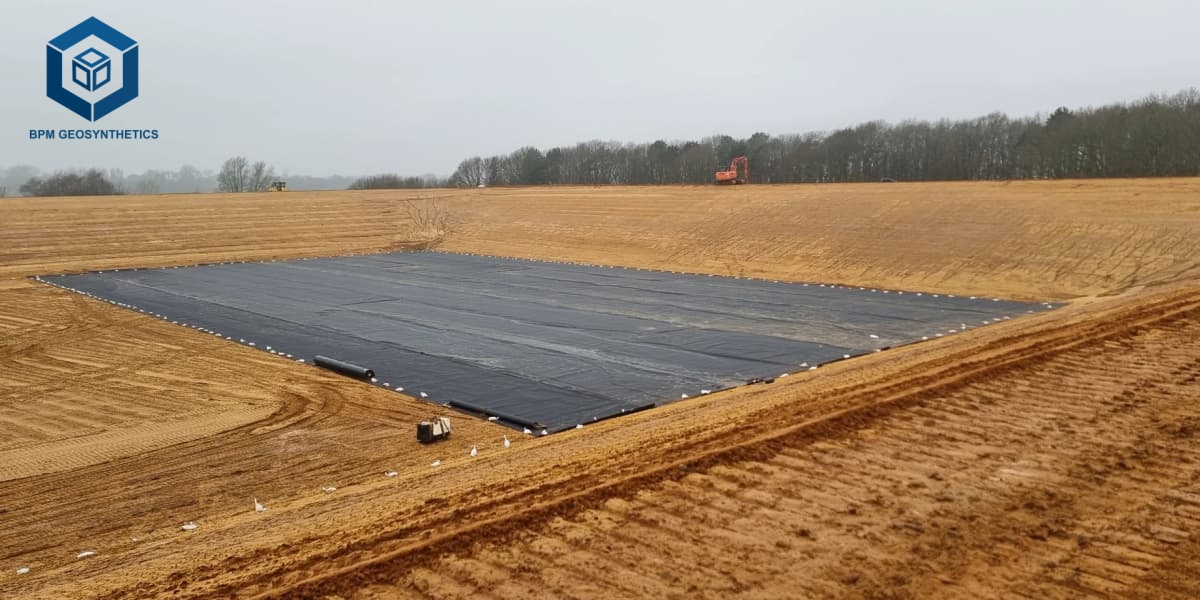
A geomembrane liner is basically an impermeable barrier that is meant to hold liquids and stop their seepage into the soil underneath. In fact, apart from merely containing water, a great liner also protects groundwater from being polluted, supports water level management for irrigation or recreation, and is responsible for a stable, controlled environment in aquaculture. Regardless of whether the pond is a small ornamental feature, a large agricultural reservoir, or a municipal wastewater lagoon, the liner is the hidden but indispensable element that makes the water body possible.
In case it fails, it can cause water leakage, environmental harm, and a huge financial setback which is why selecting it first deserves great attention.
2. Exploring Major Materials Used for Liners for Ponds and Lake
Your project’s success, longevity, and budget depend largely on the liner material you opt for. So here, we discuss the three most popular and trusted geomembrane materials.
2.1 EPDM (Ethylene Propylene Diene Monomer) Rubber Liners
EPDM is a synthetic rubber membrane which is well-known for its outstanding flexibility and long-lasting capability. Besides other uses, it is a very common sort of liner from small garden ponds and lakes to agricultural water containment reservoirs and covers, etc.
2.1.1 Important Properties & Benefits:
- Excellent Flexibility and Elasticity: EPDM is able to stretch a lot (with elongation at break often exceeding 300%) and still, fit like a glove even to the most complicated shapes and substrate irregularities without causing any stress to the material. Besides, it keeps its elasticity even under a very cold environment, some variants can even be bent at -45°C.
- Great Resistance to Weathering: The material resists UV rays, ozone, and acid rains very well such that even after several years of outdoor exposure under various conditions, it does not become brittle or decompose.
- Ecologically Safe: The decision to use EPDM pond liner is often made with consideration to the fish ponds or other wildlife habitats as this liner through its use is non-toxic and without any leaching of dangerous substances into water.
- Use Cases: ornamental and koi ponds, water features with weird shapes, tanks for fire protection water, places experiencing great changes in temperature.
2.2 HDPE (High-Density Polyethylene) Geomembranes
HDPE is a plastic geomembrane whose advantages include a very high tensile strength, superior resistance to chemicals, and an excellent ability to resist puncturing. Pond liner material is often the choice for very large and demanding water containment projects.
2.2.1 Major Features & Benefits:
- Tremendous Strength and Resistant to Puncture: HDPE liners are very strong in tension and in tearing. Furthermore, they are so resilient to puncture that even if you have rocks or roots, there is a very low chance that these will damage the hdpe pond liner. Besides that, they can even hold up to enormous hydrostatic pressure which is really important for deep reservoirs as well as landfill caps.
- Outstanding Chemical Stability: This material is highly resistant to a very wide range of chemicals, aggressive soils, and wastewater. Naturally, it is widely used in industrial, mining, and waste containment projects (among others).
- Cost Efficiency for Large Areas: Being a very wide roll material (up to 8 meters or more), HDPE is a perfect product for large installations with fewer seams. Besides, in most cases, hdpe pond liner is very competitively priced at a material level per square meter, especially when it comes to large projects.
- For instance: Large irrigation reservoirs, aquaculture ponds (fish/shrimp farming), wastewater lagoons, landfill liners, and industrial containment.
2.3 PVC (Polyvinyl Chloride) and Other Flexible Liners
Another type of flexible liner is PVC which can usually be found in reinforced and non-reinforced versions. PVC pond liner is typically cheaper than EPDM rubber and has a moderate resistance to punctures and UV light.
2.3.1 Key Characteristics & Considerations:
- Flexibility and Installation Convenience: Just like EPDM, PVC is very flexible during installation, so it is quite easy to manage and adapt to different shapes.
- Material Issues: Some PVC membrane over time may lose some flexibility, especially if cold weather and if not properly formulated it also more susceptible to UV degradation. Therefore, it is essential to buy high-quality, reinforced PVC membrane specifically made for ponds.
- Best pond liner is most suitable For: Temporary water features, smaller decorative ponds with smooth bases, and the initial budget is more limited or long-term resistance to extreme weather is less critical.
3. The Decision Framework: How to Choose the Right Liners for Ponds and Lake for Your Project?
Liner selection is a methodical activity. Here are some questions, that will help you understand the best material and specification for the task.
3.1 What is the Primary Purpose of the Water Body?
3.1.1 Decorative/Garden Pond
Aesthetics, safety for plants and fish, and flexibility for creative shapes are the key. EPDM is usually the best recommendation.
3.1.2 Aquaculture or Fish Farming
Apart from being non-toxic, fish pond liners should be strong, able to withstand regular water pressure, and have resistance to potential scratches. HDPE (because of its strength and cost-effectiveness at large-scale) and EPDM are great options.
3.1.3 Agricultural Irrigation or Fire Protection Reservoir
In this case, water conservation and use of durable liners wear-resistant would a big help. HDPE and EPDM are the most common choices.
3.1.4 Industrial or Wastewater Containment
There is no alternative to chemical resistance in this context. HDPE is typically the standard material for these demanding environments.
3.2 What are Your Site's Specific Conditions?
3.2.1 Subsoil
Rocky or rough subgrades require a liner with very high puncture resistance (like a thicker HDPE or a puncture-resistant underlay). Smooth, sandy subgrades are rather forgiving.
3.2.2 Climate
If the project is in a northern location where winters tend to be very cold, it is necessary to use a liner such as EPDM that has been certified for flexibility at low temperatures. If the project is in an area with high levels of exposure to sunlight, it is important to use a liner that has been stabilized with high levels of carbon black to resist UV damage.
3.2.3 Water Chemistry
Is the water pure by nature, or does it contain fertilizers, mild agricultural runoff, or treated wastewater? EPDM lining can maintain its integrity in contact with most natural waters while HDPE is required when harsh chemicals are involved.
3.3 What's Your Budget and How Long Do You Plan Your Project to Last?
When thinking about costs, focus on Total Cost of Ownership (TCO) rather than just the upfront price. It's quite possible that a pond liner that's a bit more expensive but of higher quality and that remains leak-free for 30+ years will be a lot more cost efficient than a cheap geomembrane pond liner that will be soiled after 5-10 years and will need costly excavation and replacement.
4. Why Professional Installation and Accessories are so Important?
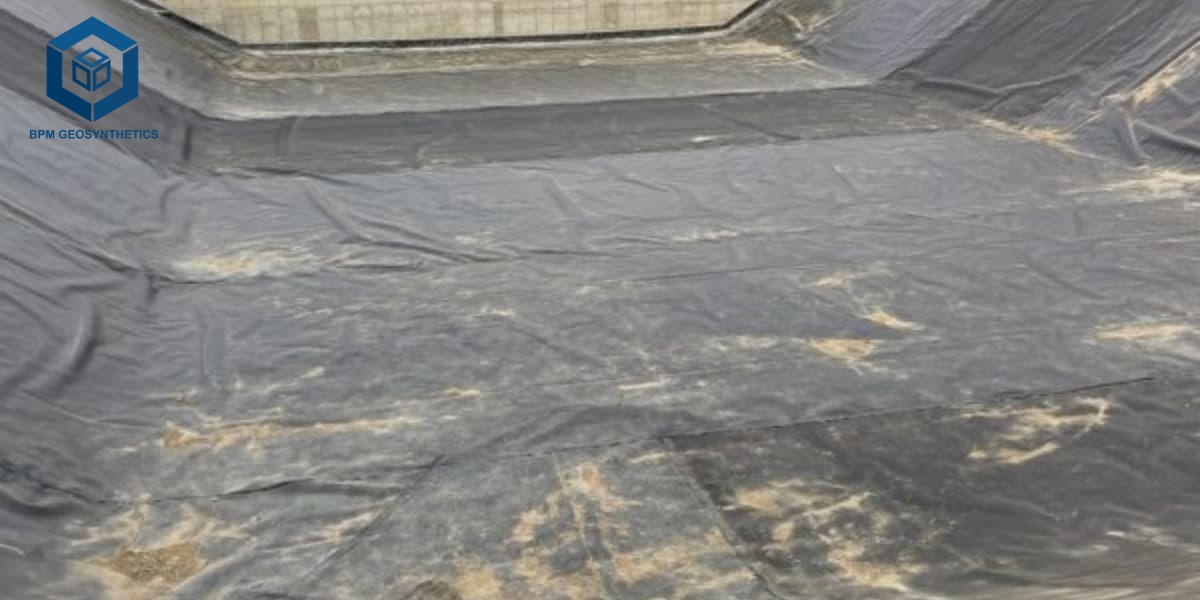
If a liner is installed incorrectly, even the best one in the world will fail sooner or later. Getting the work done by a professional not only increases the longevity of the installation but also makes the warranty valid.
4.1 Exact Seaming
Seams are the linings dowels and are done by special adhesive systems (for example EPDM) or thermal welding (for HDPE). Only perfect seams can yield a complete waterproofing barrier.
4.2 Protective Underlays and Overlays
Using a protective non-woven geotextile fabric beneath the liner cushions it from sharp objects. In some applications, like tanks, a full one-piece stitched geotextile protective matting bag can protect the liner from temperature extremes and physical damage during and after installation.
4.3 Anchoring and Termination
It's very important to prevent slipping and wind uplift by properly securing the liner edges in an anchor trench or by using a termination bar system.
5. Working with the Right Liners for Ponds and Lake Supplier
When buying a liner, it is best to find an experienced supplier who is well reputed. A reliable company will:
- Provide technical data sheets and independent certification for their products, e.g., certified compliance with EN, ASTM, or GRI standards.
- Be skilled in making custom-made panels to minimize on-site seams for large projects.
- Help you with selection, installation, and can in many cases recommend certified installers in your area.
Spending time on the right choice of your pond or lake liner is a long-term investment that will yield benefits years down the line. Through an accurate evaluation of your project’s needs, a firm grasp of material science, and a stringent requirement of quality installation, you will be able to enjoy a watertight, durable, and reliable asset. For complicated assignments, the best thing you can do is to seek advice directly from a specialist geomembrane supplier or installer so your dream becomes a long-lasting reality.
Would you like to find yourself the perfect liners for ponds and lake for your specific project? Having a wealth of experience, The Best Project Material Co., Ltd.(BPM Geosynthetics)has been guiding clients through the stages of selection, custom fabrication, and installation best practices for projects ranging from backyard ponds to large industrial reservoirs. Reach out to us now for a personalized consultation and a price quote. Together we can create a water-tight solution that lasts through years.