Geomembrane EPDM
Geomembrane EPDM is a high-performance synthetic rubber liner designed for superior waterproofing and long-term durability. Its exceptional flexibility and weather resistance make it ideal for ponds, reservoirs, and environmental protection projects.
- Excellent UV and Ozone Resistance
- Outstanding Flexibility and Elongation
- Strong Weather and Aging Performance
- Easy Installation and Low Maintenance
- Ideal for Ponds, Canals, and Landfills
Reliable protection for long-lasting containment solutions.
EPDM (Ethylene Propylene Diene Monomer) geomembrane is a type of high-quality synthetic rubber liner. It is specifically designed for performance applications like waterproofing, containment, and environmental protection. This type of liner is highly flexible, durable and can withstand harsh weather conditions, which makes it very popular in water management, landscaping, agriculture, and industrial containment systems. The long lifespan of this product and its ability to be used in diverse situations are two of the main reasons why it is the go-to solution for projects that require dependable and long-lasting sealing performance.
1. What is Geomembrane EPDM?
EPDM geomembrane is a very flexible waterproof membrane that is made of ethylene, propylene, and diene monomers, which are elastomeric materials. When compared to stiff plastic liners, EPDM is much more elastic, and it can even be shaped around very irregular surfaces without cracking or being compromised in any other way. EPDM liner is also very resistant to UV damage, changes in temperature, and stress caused by the environment. That is why it is considered the best solution for situations where the membrane is left exposed to the elements.
2. Geomembrane EPDM Key Features and Advantages
2.1 Exceptional Flexibility
EPDM geomembrane has a breaking elongation of over 300% which allows it to conform easily to uneven surfaces and absorb ground movement without being damaged.
2.2 Outstanding Weather Resistance
Its resistance to UV rays, ozone, and extremely low and high temperatures (ranges from -40°C to 120°C) make it suitable for performing outdoors over a long time.
2.3 Superior Waterproofing Performance
Being almost totally impermeable, geo membranes can keep water from leaking in ponds, canals, and reservoirs.
2.4 Long Service Life
With proper care and maintenance, EPDM liners can be expected to last for 20–30 years or more, which helps to keep the overall cost of ownership down.
2.5 Chemical Resistance
Its tolerance for various chemicals, including strong acids and alkalis, means it can be used in different industrial and environmental settings.
2.6 Eco-Friendly and Safe
Because it consists of non-toxic materials, the environment is not harmed when it is used, and it is the perfect solution for fish ponds and other water features where safety matters to aquatic life.
3. Geomembrane EPDM Technical Specifications
3.1 Material
Made from supreme-grade EPDM synthetic rubber, the geomembrane features a great blend of elasticity and durability. It also offers the highest level of resistance to environmental factors.
3.2 Thickness Range
You can buy geomembrane EPDM sheets of different thicknesses, starting from as thin as 0.2 mm up to 3.0 mm in thickness, depending on your requirements. Light-duty pond applications to heavy-duty containment systems are just some of the areas where these are used.
3.3 Density
EPDM has a density that ranges from 1.1 to 1.2 g/cm³ which provides a nice mixture of flexibility and the ability to withstand mechanical forces.
3.4 Tensile Strength
Tensile strength of the EPDM geomembrane is 7MPa or more, which is a good indicator of a product that can be subjected to mechanical and environmental forces and still keep its structure over time.
3.5 Elongation at Break
Since the breaking elongation of the material is ≥ 300%, it can accommodate movement of the earth and conform to the uneven surfaces of the substrate without cracking.
3.6 Operating Temperature
Since the material is designed to withstand the effects of harsh environments, it can work properly at the operating temperatures as mentioned above.
3.7 UV Resistance
Because it is made to last long when used outdoors, EPDM has a high level of resistance to UV radiation and ozone.
3.8 Color Options
The regular color for EPDM geomembrane is black but if necessary, it can be produced in different colors to suit project or aesthetic requirements.
4. Geomembrane EPDM Main Applications
4.1 Water Containment Systems
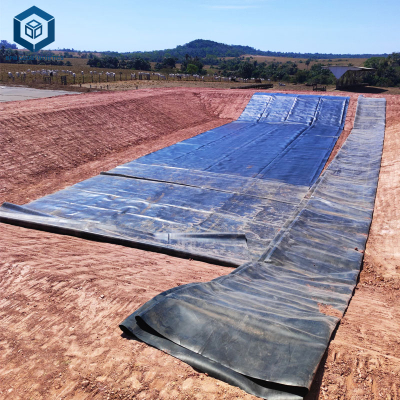
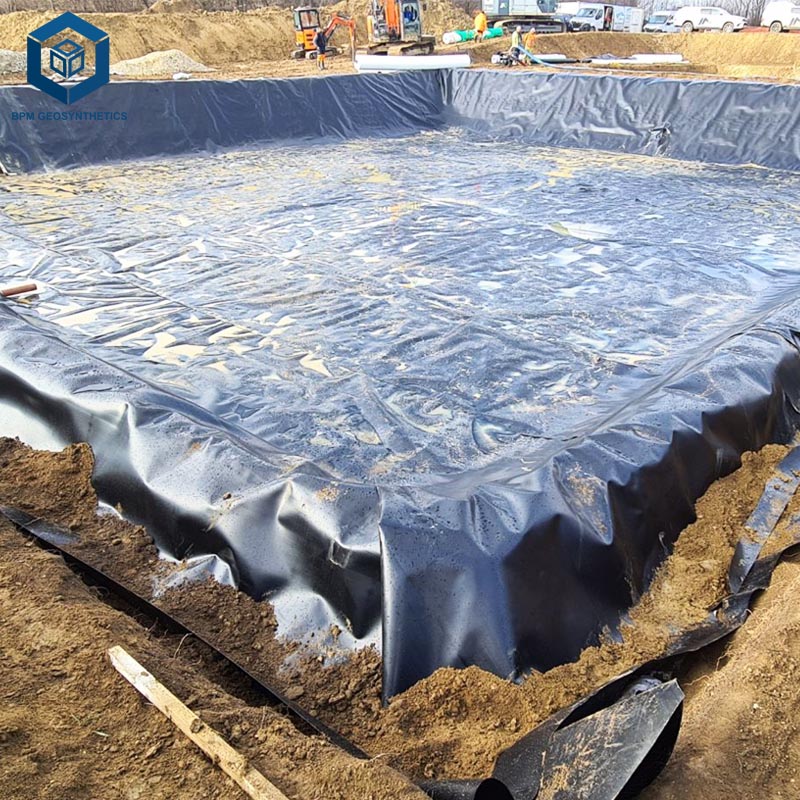
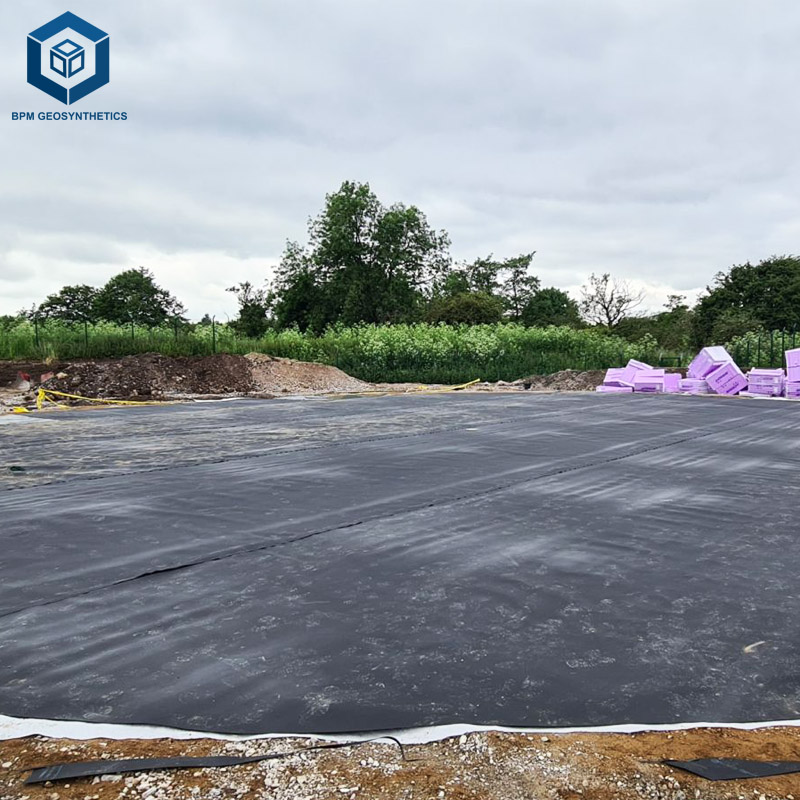
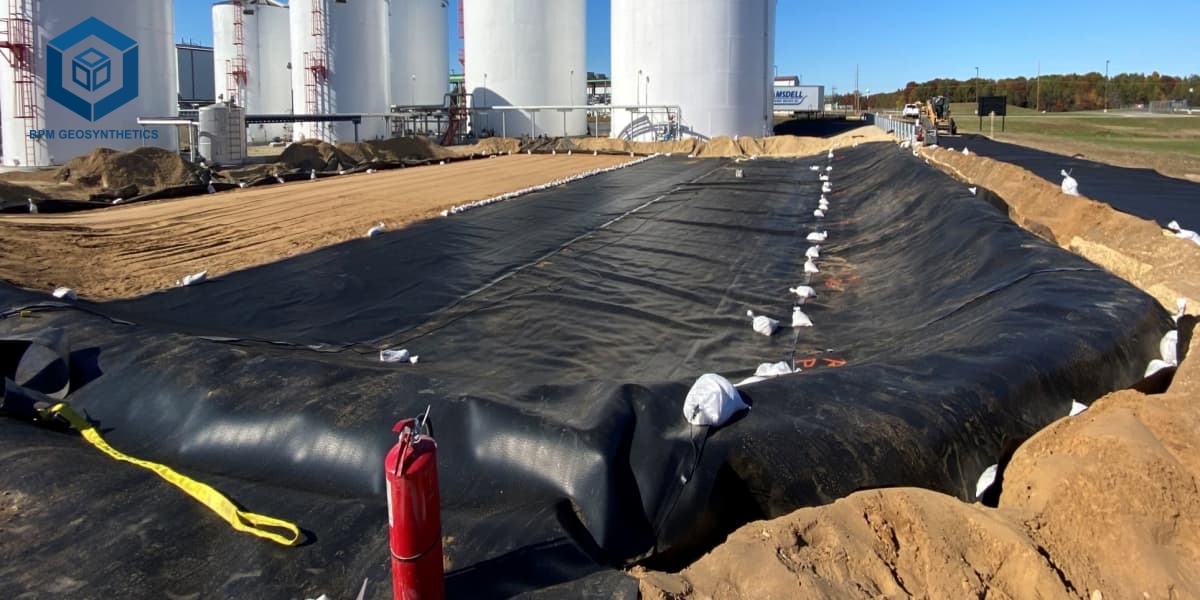
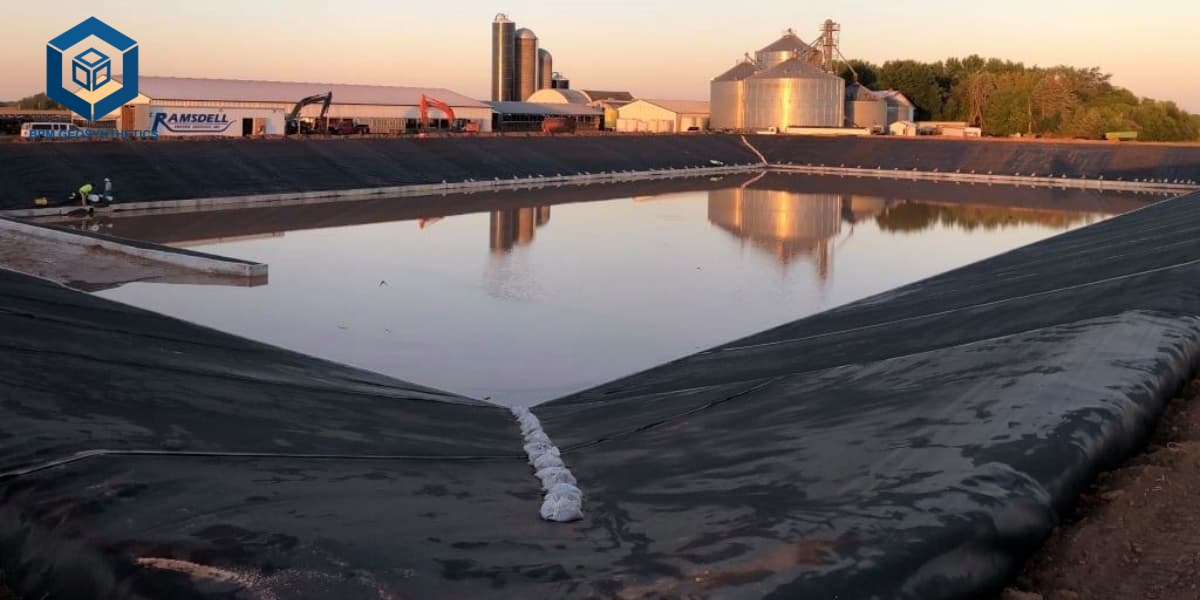
Due to its high levels of impermeability, EPDM geomembrane finds numerous applications in water retention and seepage control, ponds, lakes, reservoirs, irrigation canals, and water tanks.
4.2 Landscaping and Decorative Ponds
The extreme flexibility and the good-looking natural surface of EPDM make it the best choice for small decorative water features like garden ponds, waterfalls, and artificial lakes. Besides, its ability to form any shapes with ease and quickly makes the material very popular among landscaping professionals.
4.3 Aquaculture Projects
EPDM geomembranes are completely safe and non-toxic to fish, so they're perfect for fish farms, shrimp ponds, and other aquaculture operations. Besides, EPDM membrane is a great way to stabilize water. In addition, it lowers the chance of water contamination.
4.4 Landfill and Environmental Protection
When used as a lining system for landfills, EPDM is great at containing waste. It prevents the leakage of leachate and thereby protects the soil and water around the landfill. This helps not only in maintaining environmental purity but also in adhering to the set regulations.
4.5 Industrial Containment
Besides chemical parks, chemical ponds, industrial wastewater treatment plants, and mining operations also show great interest in EPDM as the liner of the main containment area. To a greater or lesser extent, industries throughout the world have started using EPDM to stay ahead of time.
4.6 Geomembrane EPDM Case Studies
Case 1: Large Artificial Lake Project
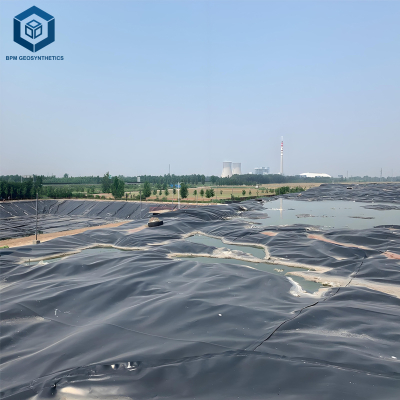
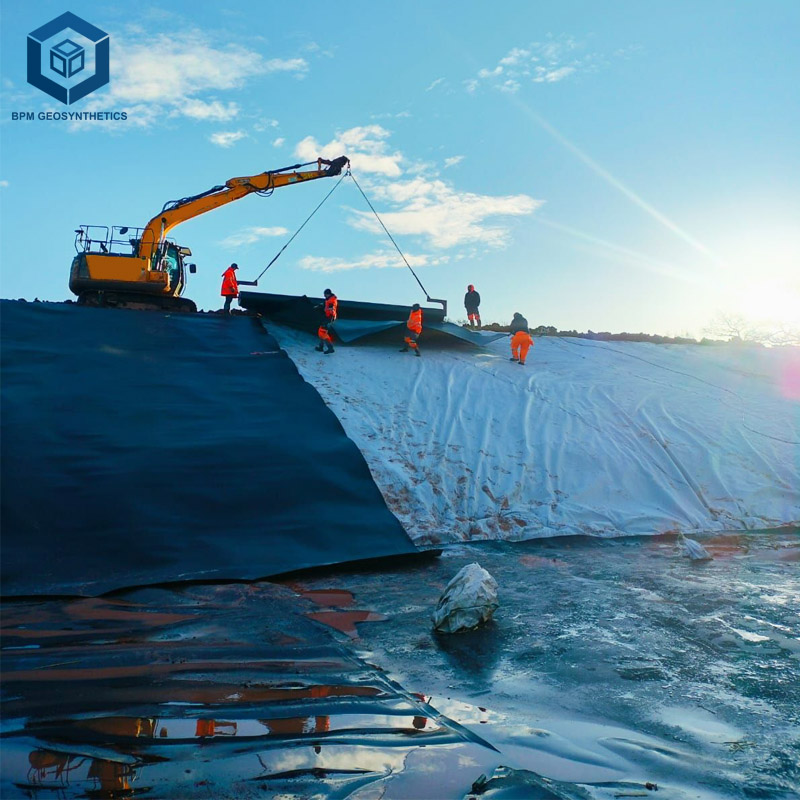
EPDM geomembrane was pinpointed as the solution for the lining of a large-scale artificial lake. Due to great care taken towards nature conservation, it was very necessary to ensure that there was no source of contamination by water. After proper examination and due to its moderate price, the EPDM membrane was installed in the lake. The flexibility of the liner allowed it to be formed into the lake contours and meet the long-term waterproofing requirements of the lake project while still preserving a natural appearance of the lake.
Case 2: Aquaculture Farm Upgrade Project
EPDM geomembrane was introduced at a commercial fish farm to replace their existing liners. Finally, they ended up with a new high-level quality of water, a drastic decrease in water loss, and a markedly lower level of maintenance requirements. These achievements have led to a significant overall increase in operational efficiency of the farm.
5. Geomembrane EPDM Packaging and Transportation
5.1 Standard Packaging
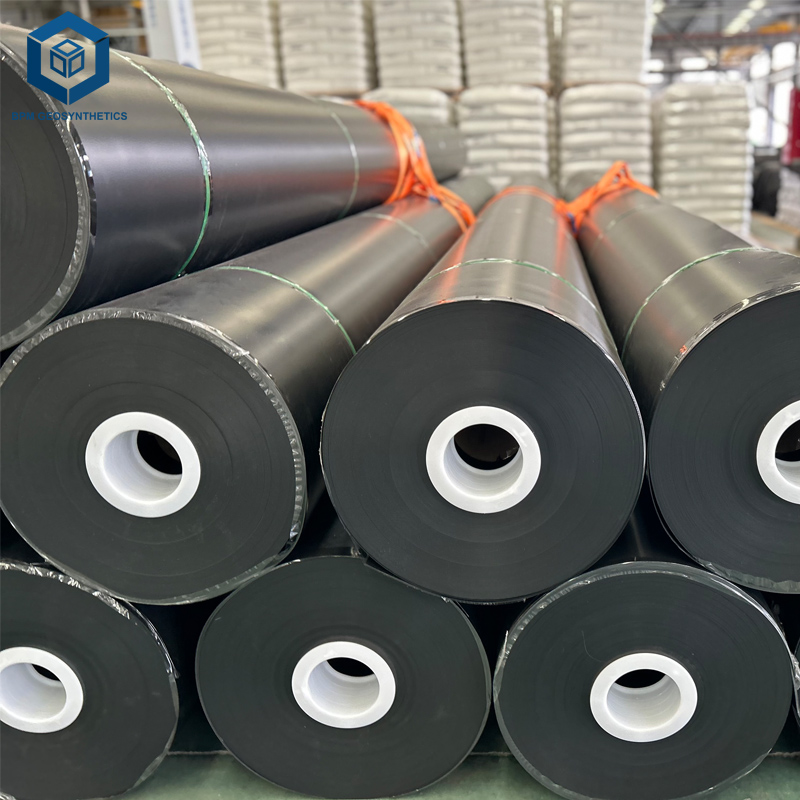
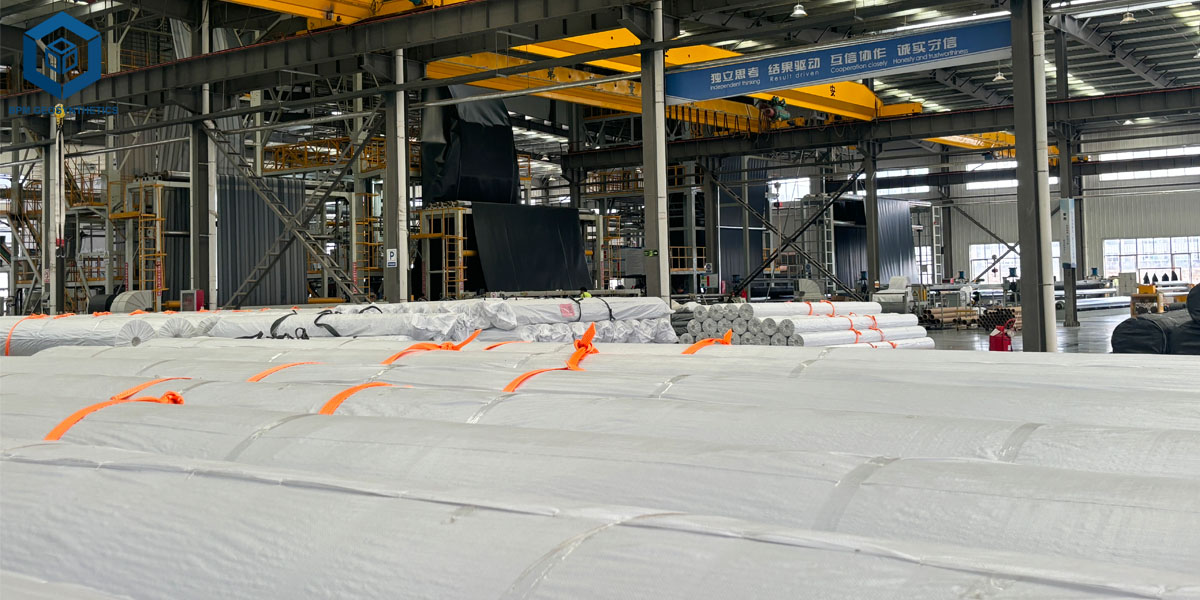
The standard unit of supply will be a roll of EPDM geomembrane tightly wound and wrapped with protective layers, which are usually a woven bag and a plastic film. This type of packaging safeguards against not only surface damage but also contamination and exposure to moisture during storage and transportation.
5.2 Roll Dimensions and Weight
Roll width, length, and weight can be chosen and varied in accordance with the specific needs. Standard rolls are intended to be manageable for the average worker and suitable for transportation by normal storage and loading methods. Besides, larger prefabricated panels are an option, which can be used to substantially reduce the amount of seaming that has to be done on-site.
5.3 Protection During Transportation
The geomembrane roll is placed into a package that will protect the roll from becoming unrolled, and the package, in turn, may be fitted with a pallet or wooden core to provide the roll with structural stability in the case of a long-distance shipping journey. Various methods for stacking and securing properly are used so that the product will not be deformed or damaged.
5.4 Custom Packaging Options
Clients need not be bound by standard packaging. Rather, individualized packaging, such as a custom label, brand identification, and special wrapping, can be offered to meet client preferences and make on-site identification easier.
5.5 Handling and Storage Recommendations
Be careful not to let sharp objects come in contact with the product. Do not put too much pressure on it or leave it in direct sunlight for a long time. Rolls should be stored in a clean, dry area to maintain product integrity.
5.6 Inspection Upon Delivery
It is advisable to have a look at the packaging and the surface of the geomembrane on arrival. Any damage should be reported immediately so that the problem can be dealt with without delay and the quality of the product be assured before installation.
6. EPDM Geomembrane – FAQ (Frequently Asked Questions)
Q1: Is EPDM geomembrane suitable for long-term outdoor exposure?
A: EPDM geomembrane is resistant to UV light and ozone, so it is a good choice for applications that remain exposed to the elements for a long time, and it won't crack or degrade.
Q2: How does EPDM perform in extreme climates?
A: EPDM remains quite flexible at very low temperatures (down to -40°C). It is also very stable at very high temperatures (up to 120°C). So, it can be used for both cold and hot regions.
Q3: What is the difference between EPDM and HDPE geomembrane?
A: EPDM is more flexible and better suited for irregular surfaces and exposed conditions, while HDPE offers higher tensile strength and is often used in heavy-duty containment like landfills.
Q4: How are EPDM geomembranes joined on-site?
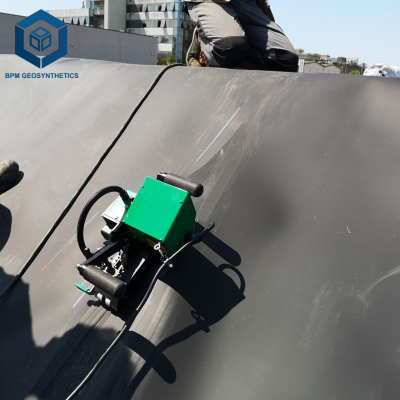
A: The most common method for joining EPDM on-site is adhesive bonding, seam tapes, or vulcanization, which are much easier than the heat welding that some other liners require.
Q5: Is EPDM resistant to plant roots and biological growth?
A: Indeed, EPDM is quite resistant to root penetration and microbial attack, which makes it a good choice for landscaping and green infrastructure projects.
Q6: What thickness should I choose for my project?
A: Thickness is determined by the type of project. Usually, 0.75–1.0 mm is adequate for a small pond, larger or more demanding applications may need 1.2–2.0 mm.
Q7: How long does EPDM geomembrane last?
A: EPDM geomembrane can last for more than 20 to 30 years, even when exposed to the environment, provided it is properly installed and maintained.
Q8: Is EPDM easy to repair if damaged?
A: EPDM is very resistant to patching by patching kit with adhesive, so ongoing maintenance is both quick and inexpensive.
Q9: Can EPDM geomembrane be customized?
A: Definitely, EPDM of different size, thickness and prefabricated panel available to meet unique project requirements.
7. Comparison with Other Geomembranes
| Feature | EPDM Geomembrane | HDPE Geomembrane | PVC Geomembrane |
|---|---|---|---|
| Flexibility | Excellent | Moderate | High |
| UV Resistance | Excellent | Good | Moderate |
| Installation | Easy (adhesive) | Heat welding required | Heat/solvent welding |
| Lifespan | 20–30+ years | 15–25 years | 10–20 years |
| Best Use | Exposed & flexible areas | Heavy-duty containment | General applications |
8. Choose BPM Geosynthetics EPDM Geomembrane
BPM Geosynthetics EPDM geomembrane stands out as a premium choice for waterproofing and containment projects due to its unmatched flexibility, exceptional durability, and ease of installation. Its elastomeric properties allow it to conform effortlessly to irregular surfaces, absorb ground movement, and adapt to complex project layouts without cracking or tearing.
Even under prolonged exposure to sunlight, extreme temperatures, and other environmental stressors such as UV radiation, ozone, and seasonal weather fluctuations, BPM EPDM geomembrane maintains its structural integrity and superior performance. This makes it ideal for applications ranging from decorative ponds and aquaculture systems to large-scale reservoirs, canals, and industrial containment projects.
By choosing BPM Geosynthetics EPDM geomembrane, clients benefit from a long-lasting, reliable solution that reduces maintenance costs, enhances project efficiency, and ensures environmental protection. It is not just a waterproofing material—it is a durable investment in the safety, sustainability, and success of your project.
Conclusion
EPDM geomembrane is a versatile, reliable, and cost-effective solution for a wide range of containment and waterproofing applications. Whether for decorative ponds, large-scale reservoirs, or industrial containment systems, EPDM offers consistent performance, environmental safety, and long service life.
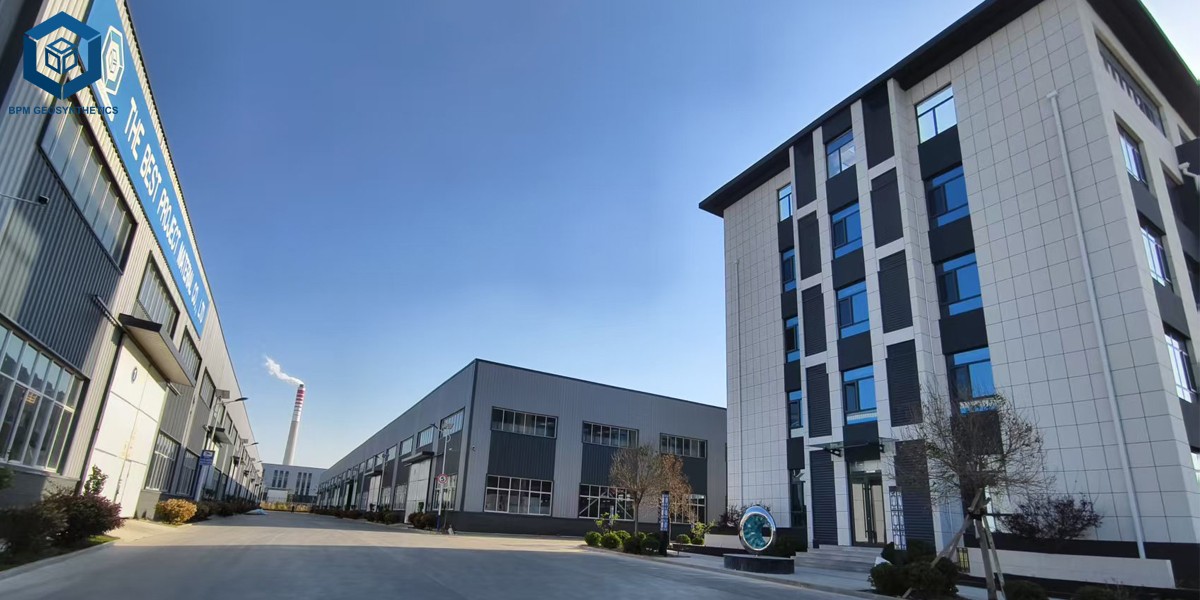
Choose The Best Project Material Co., Ltd.(BPM Geosynthetics)EPDM geomembrane for flexible, durable, and sustainable waterproofing solutions.