Ultimate Guide to Water Tank Liners for Sale
With global demand for reliable water storage on the rise across agriculture, industrial, and municipal sectors, water tank liners have emerged as a fundamental component in preventing leaks and securing the long-term containment of water. Whether it is rainwater harvesting systems, irrigation tanks, reservoirs, or industrial storage facilities, top-grade liners significantly contribute to safeguarding water resources and enhancing the durability of storage structures. This comprehensive guide to water tanks liners for sale presents an overview of the main types of materials, performance benefits, and vital factors that buyers should keep in mind to find the ideal liner for various water storage purposes.
1. What are Water Tank Liners?
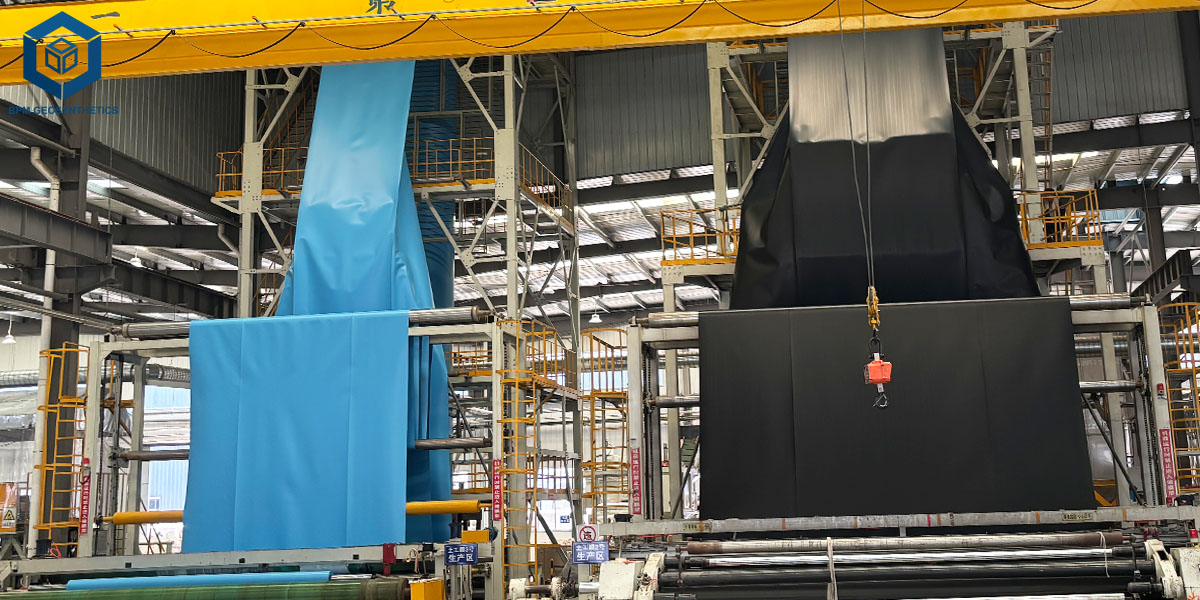
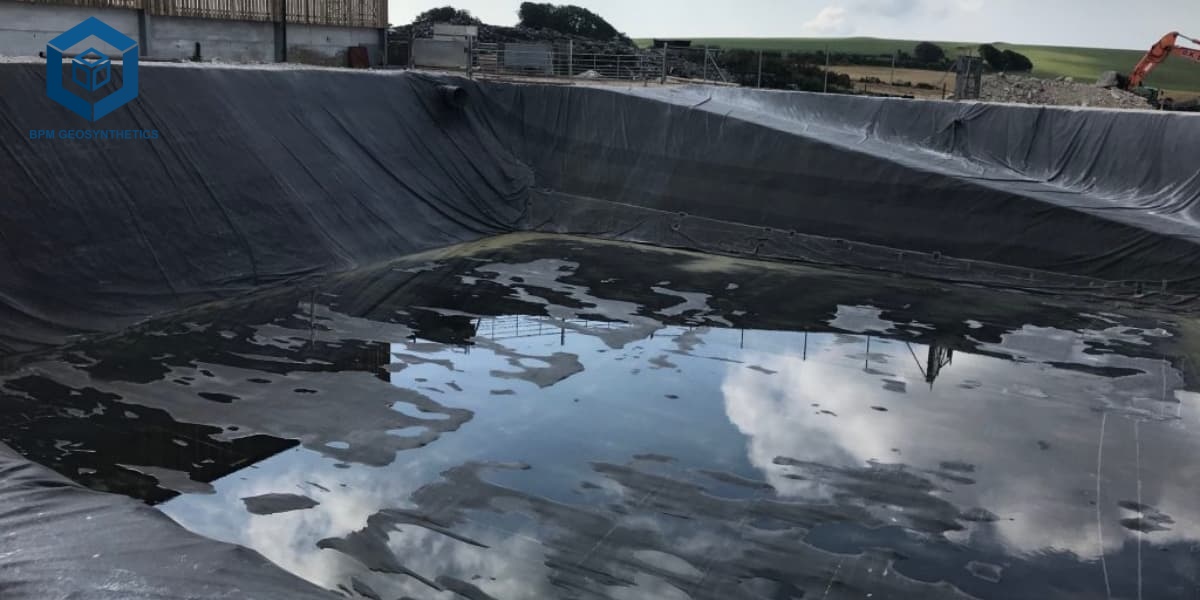
Water tank liners are waterproof barriers that are placed directly inside water holding facilities such as tanks and reservoirs to avert leakages, rust, and contamination. In a way, these hdpe lining for water tank serve as an intermediary or a buffer between the accumulating water and the tank’s surface, which results in continued structural robustness and simultaneously the safety and cleanliness of the water being stored.
In case of aboveground as well as underground tanks, liners are available in different forms including, flexible membranes, epoxy coatings, and polyurethane systems among others. Apart from industrial uses, one of the main roles of water tank liners is in potable water storage as they significantly protect the tank from wear and can also help in minimizing repair costs over time.
2. Water Tank Liners Main Uses and Applications
Water tank liners have a wide range of applications in various sectors:
2.1 Municipal Water Storage:
Towns and cities are usually dependent on their big reservoirs and tanks not only for storing water but also to keep it safe for drinking. Liner water tanks come in handy in such cases as they keep the water clean and ensure that the tanks do not leak, thereby safeguarding public health and saving precious water.
2.2 Industrial Applications:
Water tanks at factories and processing plants are used for multiple purposes such as process water, wastewater, and chemical storage. With the help of plastic water tank liners, not only the chemical resistance is improved but also the possibility of hazardous leaks that may have detrimental effects on the environment is prevented.
2.3 Agricultural Irrigation:
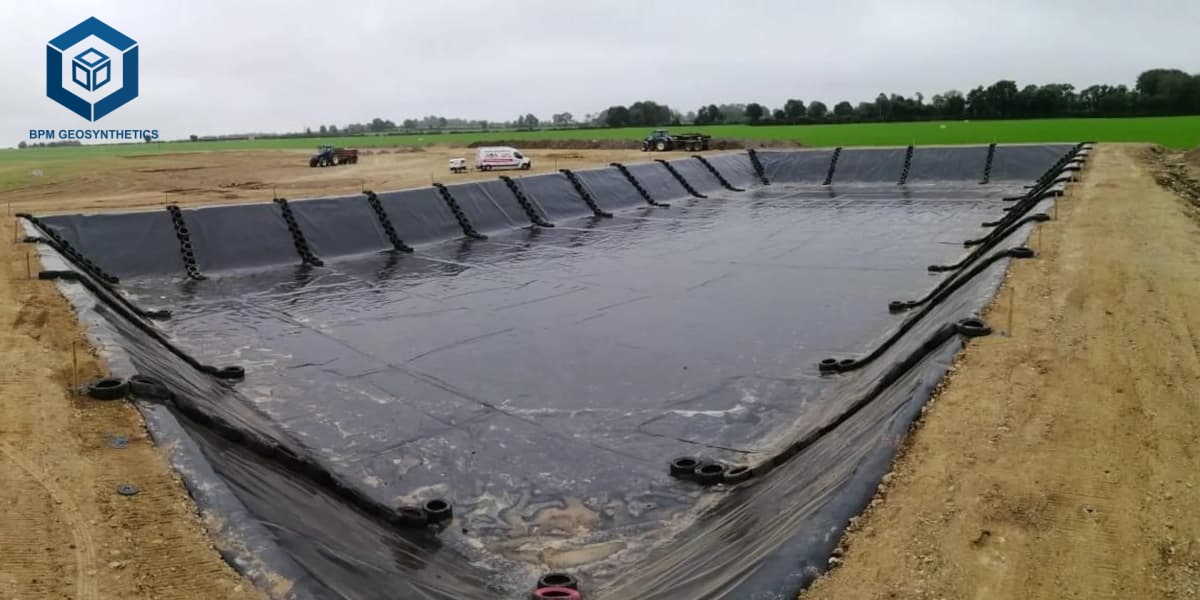
To supply water for the irrigation of crops, farms make large capacity tanks as well as ponds. To avoid loss of water due to seepage and to get protection against contamination from the surrounding soil, water tank liners are used.
2.4 Commercial Properties:
Commercial places include office buildings, hotels, and shopping complexes. Commonly, they have water storage to meet the needs of their fire protection systems, cooling towers, and domestic use. The use of water storage tank liners not only ensures the continuity of their operations but also helps in meeting the set codes.
2.4 Residential Use:
Cisterns and large water storage tanks are available at some homes. Such residential water storage solutions are often lined with storage tank liners which enhance the quality of water for household usage and/or irrigation of the garden.
3. Water Tank Liners Key Features and Performance Characteristics
Having technical knowledge of the features of water tank liners is very helpful in making an informed decision for the purchase of the product for specific uses.
3.1 Material Types
3.1.1 PVC Liners
Polyvinyl chloride liners are multi-purpose and cost-effective. The PVC liners are recommended for the storage of rain and clean water only, the 0.5mm thickness being generally for the household and 1.0mm for aquaculture. The PVC geomembrane liners can be repaired more easily than some other types.
3.1.2 PE Liners
Polyethylene liners, which include variations like HDPE (High-Density Polyethylene) and LLDPE (Linear Low-Density Polyethylene), are known to offer superior chemical resistance and are also very sturdy. HDPE geomembranes are the primary choice of many users when it comes to solid waste containment, mining, and wastewater applications and have become almost a standard requirement in these areas.
3.1.3 TPU Liners
Thermoplastic polyurethane liners are the perfect fit when highly flexible and very abrasion-resistant characteristics need to be combined together in one product for a particular purpose/application.
3.1.4 RPP Liners
Reinforced polypropylene liners are the ones which are stronger than usual and are therefore suitable for industrial uses of a specialized nature.
3.1.5 EPDM Liners
Products made of Ethylene Propylene Diene Monomer (EPDM) rubber is an excellent choice of a liner as it offers high flexibility and can withstand weather elements. EPDM geomembrane can be supplied in a range of thicknesses from 0.75mm to 1.2mm.
3.2 Essential Performance Properties
3.2.1 Tensile Strength
This is a way of testing how much force is needed to break the sample of the material when it is pulled. The higher the tensile strength the more durable the material is going to be when under stress.
3.2.2 Elongation
The capacity of a irrigation tank liners material to be stretched before it breaks, this is a crucial parameter when the movement of the tank or its settling is to be accommodated.
3.2.3 Tear Resistance
Both wing tear and tongue tear tested indicate the force needed to continue the propagation of a tear in the material. This feature is very important for the liner to be able to resist any stresses from installation as well as wear due to operational activities.
3.2.4 Puncture Resistance
The property of repelling sharp objects from penetrating the wastewater tank lining, this is a must for the water catchment tank liners to be reliable over a long time period.
3.2.5 UV Resistance
Additives stabilizers help to protect the water tank hdpe lining from damage by the sun in case it is exposed during the installation or in tanks without a cover.
3.2.6 Chemical Resistance
Keeping the ability of the material to not only survive but also maintain its properties after exposure to fertilizers, chlorine, or any industrial chemicals is a necessary feature of a tank liner.
4. Water Tank Liners Specialized Features
4.1 Antimicrobial Protection
Certain water tank liners, among those impressive innovations that also include Pioneer’s AQUALINER Fresh® – the antimicrobial component that the designers decided to add that makes water stay fresh, clean, and healthy up to a much longer period of time.
4.2 Multi-Layer Construction
It is not unusual for manufacturers of top-quality liners to choose to make the product using layers as many as five to achieve a perfect combination of strength, flexibility, and the ability to resist chemicals. This method of engineering permits having different characteristics in each layer – the strength is given by the reinforcement scrim, resistance to chemicals is obtained from the polymers used here, whereas UV protection can be found in the outer layers.
4.3 Temperature Resistance
There are very few qualities in a liner that can still remain unchanged after being exposed to the sudden changing of seasons. Besides the cold crack test, the liners are also checked for their ability to perform continuously in the conditions of freezing cold.
5. Benefits of Water Tank Liners
5.1 Corrosion Protection
Both water and the environment are among the factors that are responsible for the corrosion of metal and concrete tanks. Liners behave as a shield that prevents corrosion and oxidation. They help in keeping the structure of the tank intact and at the same time reduce the cost of repair work.
5.2 Leak Prevention
Water leaking due to cracks and seams as well as the use of defective materials can lead to water loss. Lining a tank with plastic stops the water from leaking by creating a seamless layer that has very low water permeability. This, in turn, helps a tank keep water at a certain level and is of utmost importance for water supply systems and industries.
5.3 Chemical and UV Resistance
One can consider some special features of liners that can be stored in places where chemicals and UV rays are already and will continue to be present. The chemical action and the effect of the sun do not necessarily cause damage to the liner. It is, therefore, safe to assume that these special liners are storing water (treated or processed ones) that are very much capable of withstanding the needs of storage systems in harsh environments without the liner deteriorating.
5.4 Easier Maintenance and Cleaning
Liners with a smooth and non-porous finish facilitate cleaning and minimizing the growth of microbes and scale buildup. Also, the process of regular maintenance and cleaning will be less time-consuming and more efficient, which would further mean an improvement in sanitation and a decrease in downtime.
5.5 Extended Service Life
The primary role of water tank liners is to shield the tank from wear and tear so that the lifetime of the storage system is increased. This, in turn, will result in a decrease in the instances of replacement of the tanks happening at times earlier than expected, and your investment will be protected for a longer period.
6. Global Top 10 Water Tank Liners Manufacturers
The water tank liner market includes numerous manufacturers with global reach. Based on industry research, here are ten leading companies :
6.1 BPM Geosynthetics
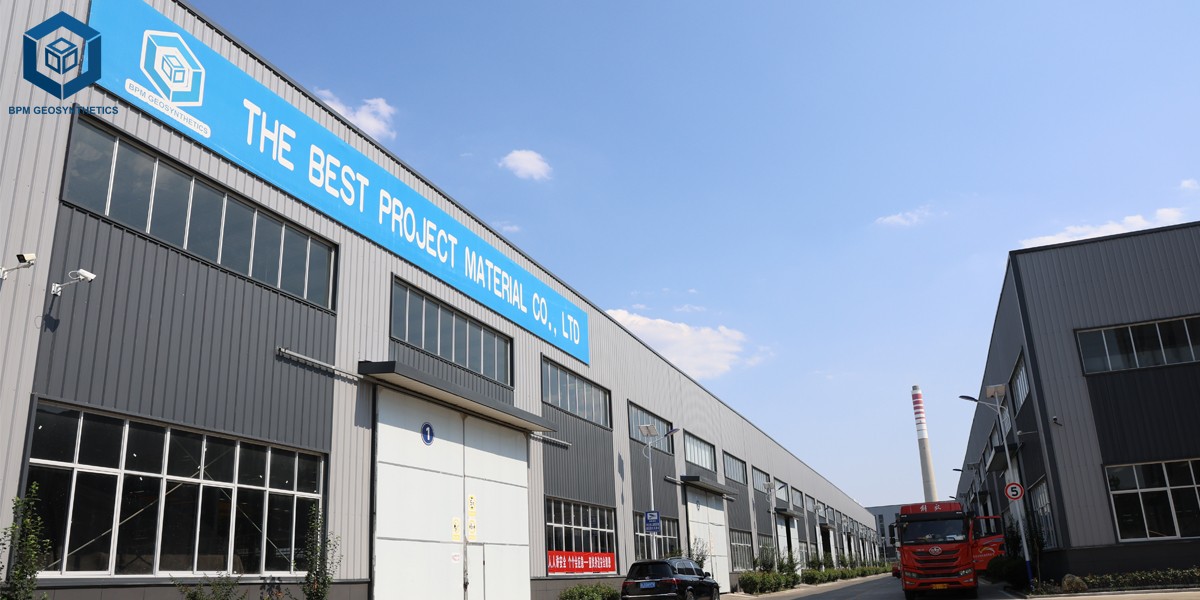
The Best Project Material Co., Ltd (BPM Geosynthetics) has been dedicated to producing and supplying complete ranges of geomembranes and related products to worldwide customers since 2010. With over 15 years of industrial expertise, BPM Geosynthetics operates a 36,000 square meter manufacturing factory equipped with state-of-the-art production lines.
6.1.1 Key Products
HDPE geomembrane, LLDPE geomembrane, PVC geomembrane, textured geomembrane, and composite geomembrane. Thickness ranges from 0.2mm to 3mm, with widths up to 10 meters.
6.1.2 Certifications
ISO9001, ISO14001, OHSAS18001, TUV, Soncap, SASO, BV, with products tested by SGS and Intertek.
6.1.3 Applications
Solid waste containment, mining, water containment, biogas digesters, fish ponds, landfills, and artificial lakes.
6.2 Duletai New Material
Duletai New Material is one of the major manufacturers globally of water tank liner and produces a variety of liner materials such as TPU, RPP, PVC, and PE liners. These materials are commonly used for industrial storage tanks, agricultural water reservoirs as well as for the rainwater harvesting system at residential level. The company is aiming at the manufacture of liners that can be easily bendable, resistant to UV and have a long service life, which can fit the concept of both above and below water storage tanks.
6.3 Fab-Seal Industrial Liners
Fab-Seal Industrial Liners’ expertise lies in manufacturing of very high-performance liner systems for industrial purposes and especially tailored to environments of highly dominant containment. It boasts a rich product portfolio that embraces tank liners, geomembranes, and other related protective barrier materials, which are mainly employed in water storage, wastewater treatment, and environmental containment work. As a matter of implementation, the company is putting forward engineered solutions which reflect their own customized liner designs with the same capabilities of strict durability and chemical resistance features that they require.
6.4 Fabtech
Fabtech is a well-known and reputable manufacturer, recognized for their offering a diverse range of liner products water storage, containment, the environmental preservation and protection projects. The company is especially known for providing liners for tanks, ponds, and reservoirs, with a focus on sealing performance and structural durability. These products are most employed in agriculture irrigation systems, industrial liquid storage facilities, and municipal infrastructures.
6.5 Flexi-Liner
With several decades of experience in the market, Flexi-Liner is a company with proven reputation for creating innovative liner products that are aimed at providing flexibility and long-term reliability in the most complicated installations. Their flagship product can be characterized as liners that are capable of conforming to every nook and cranny of the tank’s shape and adapting to the most challenging site conditions, such that they are perfectly fit for retrofitting existing tanks or installing liners in very difficult environments. They are focusing upon leak protection, easy installation, and product longevity.
6.6 Fleximake
Fleximake is one of the very few companies that have successfully manufactured high-performance tank liners that suit the requirements of quite varied storage. Its main product is liners characterized by excellent mechanical properties in terms of strength and wear, also chemical resistance and durability to weather conditions. To add a point, it also specializes in providing solutions, which are not only tailored to different project needs but also packaged with an offer of several thickness, material, and fabrication options to provide the utmost performance in various water storage applications.
6.7 Freedom Manufacturing
Freedom Manufacturing has been a go-to manufacturer for the most functional liner systems that have always been relied upon not only for containment but also water storage applications. Quality control was always their main focus thus contributing significantly to the consistent product standards and reliable long-term performance which the market can now rely on. Not unexpectedly, most of its liners are used for agricultural tanks, rainwater harvesting systems, and industrial liquid storage facilities.
6.8 Goad Company
Since its establishment, Goad Company has been acknowledged as a distinguished manufacturer of customized liners. The Company’s forte is the manufacture of liners that are designed for one-of-a-kind tank configurations as well as specialized containment projects. Like a master artist, Goad Company creates industries that require highly durable, custom-designed liner systems focused on precision fabrication and material selection.
6.9 Gordon Low Products
Gordon Low Products caters for a comprehensive scope of technical textile and liner products that are engineered to be durable and high-performing. This leading-edge technology lies at the heart of their advanced material engineering innovation by producing liners that exhibit outstanding strength, resistance to weather conditions, and reliable for the long haul. Such goods are extensively used for water containment, environmental protection, and industrial storage applications.
6.10 Layfield Group
Layfield Group is a major global supplier in the geomembrane and liner industry, known for its extensive product portfolio and international presence. The company manufactures advanced geomembrane liners used in water tanks, reservoirs, canals, and environmental containment systems. Layfield emphasizes innovation, engineering support, and high-quality materials to meet the demands of large infrastructure and environmental projects.
6.11 Additional Manufacturers
Other notable companies in the water tank liner market include Rostfrei Steels and Stephens Industries, both of which contribute to the competitive landscape by offering specialized liner solutions and containment products for industrial and water storage applications. These manufacturers help expand the range of available technologies and materials used in modern water containment systems.
7. How to Select the Right Water Tank Liners?
7.1 Selecting the right water tank liners involves identifying several key factors after a thorough review to ensure safety, long-lasting quality, and good performance:
7.1.1 Water Quality
Understanding exactly what type of water you are storing is essential. If it is potable (drinkable) water, then you must use liners made of materials that are certified to NSF/ANSI 61 standards. This guarantees that no unsafe substances will leak into the water. For other types of water like irrigation water or industrial fluids, usually there is more flexibility in choosing materials for example PVC, PE, or RPP liners. If you are dealing with chemicals within the water, then the liner should be resistant to chemical attacks to ensure the longevity of the liner.
7.1.2 Tank Material
The kind of material used to make the tank such as steel, concrete, fiberglass, or plastic will have an impact on your choice and installation of the liner. For instance, liners for steel tanks might need to be highly resistant to punctures whereas concrete tanks normally require liners that are smooth and flexible so they can easily adapt to the tank walls and prevent leaking.
7.1.3 Tank Dimensions
Size including height, diameter, and overall physical layout of the tank directly influence the type of liner that can be used. Tanks of a great vertical height (above 5.37 m / 17.6 ft) usually need liners with better elasticity like EPDM or EX ones to be able to handle hydrostatic pressure and structural movements. Tanks that are of irregular shapes or are customized might only be able to use liners that are entirely fabricated to fit.
7.1.4 Environmental Conditions
Being exposed to UV rays, very cold or very hot temperatures, or other harsh weather conditions will cause a liner to break down faster. Picking a liner that has the proper level of UV protection, can withstand high temperatures, and is able to resist different kinds of weather will guarantee that the performance of the liner will be maintained for a long time, especially if the tanks are outdoors.
7.1.5 Regulatory Requirements
Ensure that it is checked whether your product meets water safety, environmental protection, and liner certification standards of the regulators, at local, national, and industry levels. These include potable water certifications, chemical resistance standards, and building codes.
7.2 Material Selection
Choosing the right material depends on what type of water you want to store and what the tank conditions are like. The most popular liner materials are PVC, PE, RPP, TPU, and EPDM. As a rule, each of these materials has different features in pliability, chemical resistance, temperature resistance, and use life.
7.3 Liner Thickness
Thickness of the flexible water tank liners is a major factor influencing its longevity and resistance to puncturing. For example, thin liners (0.5–1 mm) can be chosen for small tanks or those used indoors, on the other hand, when it comes to industrial use, large reservoirs, or tanks that are located in harsh environments, then heavy-duty liners (2–3 mm or more) should be selected.
7.4 Installation Method
The type of liner installation also matters: will it be a flat sheet, a prefabricated panel, or a custom-fabricated liner? Perfect installation will assure no leakages, structural soundness, and long-term dependability. If there is uncertainty, experts may be called upon for the job and this will help ensuring that the required safety rules are followed.
7.5 Maintenance and Longevity
Thinking ahead about how long the liner is expected to last and how easy it will be to maintain it is important too. Liners which come with UV stabilizers, anti-microbial coatings, or reinforced backing, can drastically increase the service periods and at the same time reducing the operational costs in the very long term.
7.6 Budget Considerations
Quality definitely comes at a price but just think of all the benefits you will get down the line if you purchase durable and certified liners. Besides, such liners will also be useful in cutting down the repair, replacement, and downtime costs of your system.
When you follow a well-organized procedure, you will be able to choose for and supply yourself with a water tank liner that will not only fulfill requirements in terms of effectiveness, safety, and regulation compliance, but will also be a source of reliable performance in the long run for your water storage system.
8. Water Tank Liners Installation Considerations
Proper installation is crucial for liner performance:
8.1 Surface Preparation
Concrete surfaces must be dry (minimum 14 days after construction). Sharp objects or rough surfaces require protective sand or geotextile underlayment.
8.2 Proper Positioning
Liners should be placed inside the tank ring before panel assembly for bolted steel tanks.
8.3 Outlet Compatibility
Conical outlets should match the liner material and be specified during ordering.
8.4 Professional Installation
Many manufacturers recommend or require certified installers to ensure warranty coverage and optimal performance.
Conclusion
Water tank liners are essential components of modern water storage infrastructure, providing critical protection against leaks, corrosion, and contamination. Available in various materials including PVC, PE, TPU, and EPDM, these liners offer specific performance characteristics suited to different applications from municipal drinking water to industrial processing and agricultural irrigation.
The global market features numerous reputable manufacturers, with The Best Project Material Co., Ltd.(BPM Geosynthetics)standing out as a leading provider of high-quality geomembrane solutions. Their extensive product range, commitment to quality certifications, and 20+ years of industry experience make them a trusted partner for projects worldwide .
When selecting a water tank liner, consider the specific requirements of your application, including water quality, tank type, environmental conditions, and regulatory standards. With the right liner properly installed, your water storage investment will deliver reliable service for decades to come.
For projects requiring water tank liners, contacting manufacturers directly for specifications, samples, and installation guidance ensures the best outcome for your specific needs.