Ultimate Guide to Geogrid Erosion Control
Erosion is one of the most persistent and costly challenges in civil engineering and landscape management. Each year, soil erosion causes billions of dollars in damage to infrastructure, pollutes waterways with sediment, and destabilizes slopes that threaten public safety. Among the most effective solutions to emerge in recent decades is geogrid erosion control—a geosynthetic material engineered to reinforce soil and control erosion through its unique bidirectional strength characteristics.
This ultimate guide explores the fundamental principles of geogrid erosion control and examines a real-world case studies that demonstrate its application across different environments and challenges. This examples illustrate how geogrid technology provides durable, sustainable, and cost-effective erosion control solutions.
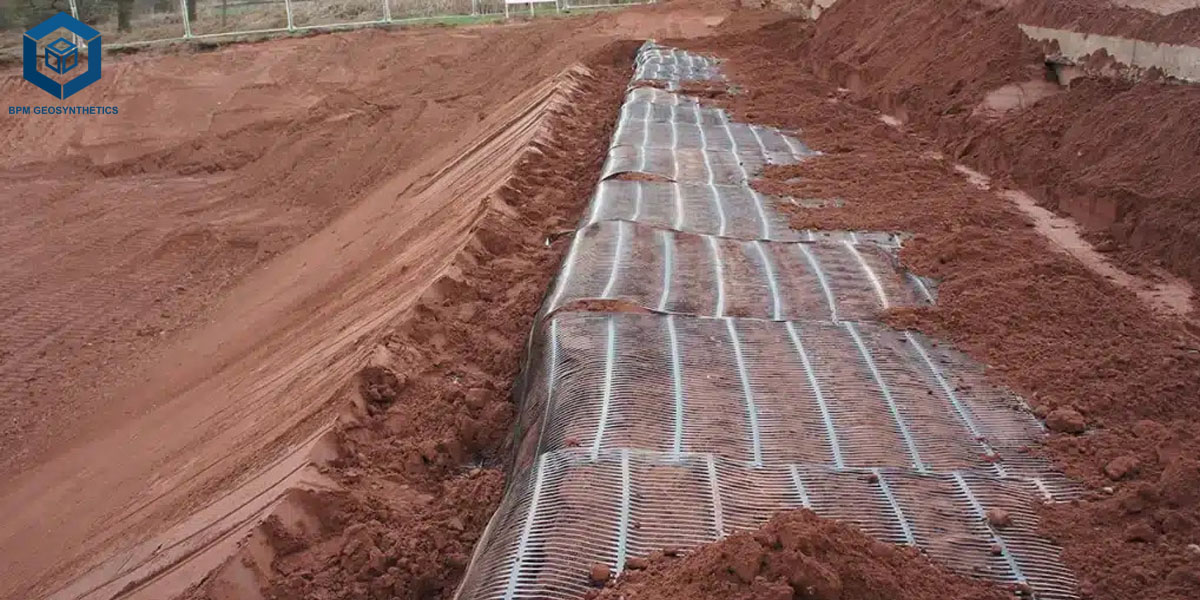
1. Understanding Geogrid Erosion Control Technology
1.1 What is Geogrid Erosion Control?
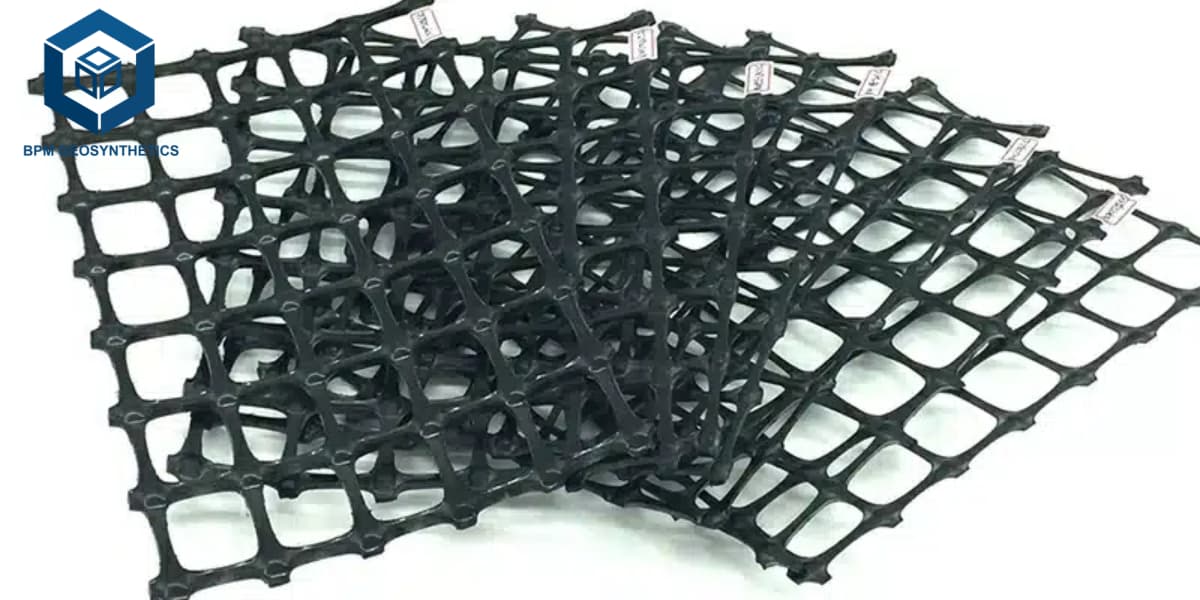
Geogrid erosion control is a polymeric structure characterized by a grid pattern with strength in two perpendicular directions—both longitudinally and transversely. Manufactured primarily from polypropylene or high-density polyethylene, these geogrids feature apertures (openings) that allow soil or aggregate particles to interlock with the grid structure, creating a mechanically stabilized layer .
Unlike uniaxial geogrids, which provide high tensile strength in a single direction and are primarily used for steep slope reinforcement and retaining walls, biaxial geogrids offer balanced strength in both orientations. This makes them ideal for applications where loads and stresses act in multiple directions, such as:
- Veneer slope stability
- Surface erosion control
- Road base reinforcement
- Embankment foundation stabilization
1.2 How Geogrid Controls Erosion?
The erosion control capabilities of geo grid stem from several key mechanisms:
1.2.1 Grid Confinement Effect:
When soil or aggregate fills the geogrid apertures, the interlocking structure constrains soil particle movement. This redistributes vertical and horizontal loads, minimizing stress concentration and preventing the particle displacement that leads to erosion.
1.2.2 Tensile Reinforcement:
The high-strength polymer ribs integrate with the soil matrix, increasing the composite shear strength by 35-60%. The bidirectional design provides uniform tensile resistance (typically 20-150 kN/m), significantly improving slope stability and resistance to the lateral displacement caused by water flow.
1.2.3 Vegetation Integration:
Many geogrid for erosion control systems are designed with apertures large enough to allow vegetation to grow through the grid. This creates a biologically reinforced system where plant roots anchor both the grid and the soil, while the grid protects the roots during establishment.
1.2.4 Drainage Facilitation:
The open grid structure allows water to pass through freely, preventing the hydrostatic pressure buildup that can lead to slope failure. Some advanced geogrid variants incorporate capillary drainage channels that redirect pore water away from vulnerable areas.
2. Critical Installation Principles for Geogrid Erosion Control
Before examining specific case studies, it is essential to understand the fundamental installation principles that determine project success. Regardless of the application, proper installation follows a standardized protocol :
2.1 Site Preparation
The subgrade must be properly compacted (typically to 95% Standard Proctor density) and leveled. All vegetation, debris, and sharp protrusions greater than 3 cm must be removed to prevent damage to the geogrid.
2.2 Geogrid Deployment
The grid should be unrolled and positioned with proper orientation—for slope applications, the primary strength direction should run perpendicular to the slope face. Adjacent panels must overlap by 15-20 cm longitudinally and 10 cm transversely.
2.3 Anchoring and Tensioning
The erosion control geogrid must be secured using U-shaped pins or stakes at 1.5-2 meter intervals. Proper tensioning is critical—the grid should be pulled taut before anchoring to ensure full engagement with the soil.
2.4 Backfilling and Compaction
Backfill material should be placed in thin lifts (typically 15-30 cm) and compacted to 90-95% relative compaction density. Equipment should maintain at least 15 cm of cover over the geogrid to prevent damage.
2.5 Vegetation Establishment
For erosion control applications, prompt vegetation establishment is crucial. Seeding or hydroseeding should occur immediately after installation, and the area should be kept irrigated until vegetation is established.
3. Geogrid Erosion Control Case Study -Monmouth Redoubt, New Zealand
3.1 Project Background
The historic Monmouth Redoubt in Tauranga, New Zealand, is a culturally significant heritage site overlooking the harbor. Over time, the original slopes and embankments at the site had failed due to inadequate performance of previous stabilization methods. Traditional retaining solutions—including timber structures and natural reinforcements—proved insufficient in maintaining slope stability.
The resulting ground movement and erosion led to the closure of the public walkway and viewing areas, as the slopes had become unstable and posed a risk of collapse. The project required a long-term stabilization solution that would restore safe public access while respecting the site's cultural heritage.
3.2 The Challenge
The consulting engineer faced several significant challenges:
- Slope angles reaching up to 70 degrees—extremely steep for any stabilization project
- The need to preserve the site's cultural and historical character
- Limited access for construction equipment
- The requirement for a durable, long-term solution that would blend with the natural environment
3.3 The Solution
The consulting engineer designed a comprehensive slope reinstatement and stabilization system using multiple geosynthetic solutions. The design considered the site's specific conditions, including soil type, slope angle (up to 70 degrees), drainage requirements, and the need for long-term durability and performance.
Biaxial geogrid was selected as a non-slip solution for the walkway and to provide surface stability. The project also incorporated:
- Bidim Green nonwoven A19 geotextile for separation and filtration beneath reinforced zones
- Reinforced erosion control mats (green and black) for surface erosion control
- Geoweb geocell confinement system for slope reinforcement—marking the first use of geocell on a slope exceeding 70 degrees in New Zealand
3.4 Installation and Results
The installation covered approximately:
- 400 square metres of Bidim Green A19 geotextile
- 200 square metres of reinforced erosion control mats
- Five panels of Geoweb geocell
- 285 square metres of biaxial geogrid
Throughout the project, the technical engineering team played an active role by providing design input and on-site training. The sales engineer guided the installation team on correct positioning methods and demonstrated proper assembly techniques required to maintain structural integrity.
The works were completed efficiently through close collaboration between the contractor, supplier, and consulting engineer. Upon completion, the slopes exhibited enhanced structural stability and effective surface erosion control, with the reinstated grass cover integrating naturally with the landscape. The upgraded site is safe, visually appealing, and once again open to the public .
3.5 Key Takeaways
This case study demonstrates that biaxial geogrid can be effectively combined with other geosynthetic systems to address complex, steep-slope erosion challenges. The project's success on a 70-degree slope proves that properly designed geogrid systems can stabilize even extreme terrain while allowing for natural vegetation establishment.
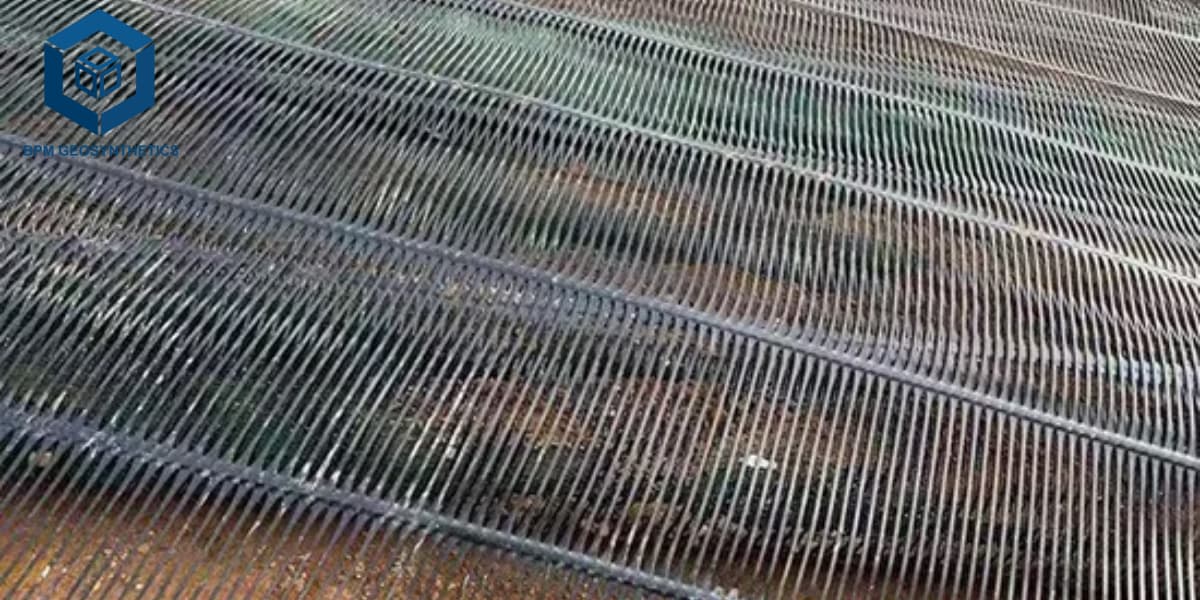
4. Geogrid Erosion Control Maintenance and Long-Term Performance
Long-term success with geogrid erosion control requires ongoing attention :
4.1 First-Year Monitoring
- Inspect after major storms
- Verify drain outflows are functioning
- Patch rills or gullies immediately
- Re-seed bare spots promptly
4.2 Vegetation Management
- Use native deep-rooted species appropriate for the climate
- Maintain irrigation until vegetation is fully established (typically 4-8 weeks)
- Re-seed areas with poor coverage
4.3 Structural Inspection
- Monitor toe areas for bulging or seepage
- Clean drainage outlets regularly
- Document performance with photos and notes for future reference
5. Geogrid Erosion Control Cost-Benefit Analysis
The documented performance benefits of properly installed geogrid systems include :
- Bearing capacity enhancement: Laboratory tests confirm 30% higher CBR values in reinforced sections versus control groups
- Settlement reduction: Field monitoring shows 30-50% less differential settlement after 5-year service
- Erosion mitigation: Slope protection applications demonstrate 80% reduction in soil loss during 50-year flood simulations
- Service life extension: Properly installed systems extend infrastructure service life by 40%
- Material savings: Reduced aggregate requirements by 15-30%
These quantifiable benefits demonstrate that while geosynthetic systems represent an upfront investment, they deliver substantial long-term value through reduced maintenance, extended service life, and prevention of catastrophic failures.
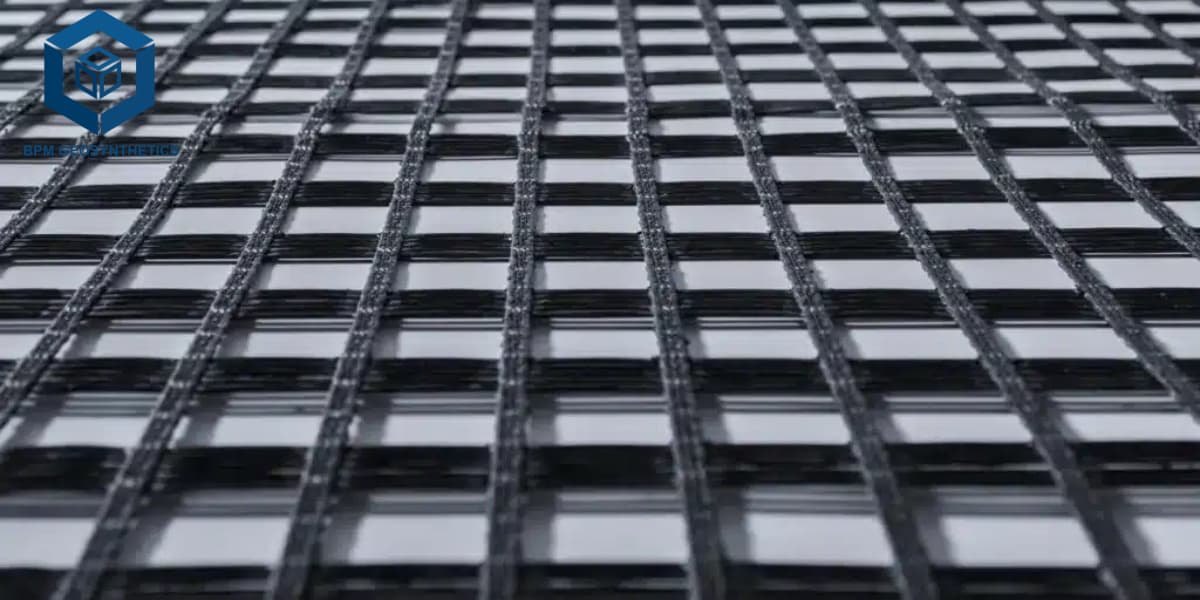
6. Conclusion: The Future of Erosion Control
The case studies presented in this guide demonstrate the remarkable versatility and effectiveness of The Best Project Material Co., Ltd.(BPM Geosynthetics) geogrid technology for erosion control:
Monmouth Redoubt, New Zealand showed that biaxial geogrid can stabilize slopes up to 70 degrees while integrating with natural vegetation and preserving cultural heritage .
As climate change increases the frequency and intensity of extreme rainfall events worldwide, the demand for robust, sustainable erosion control solutions will only grow. Geogrid technology—particularly when integrated with vegetation and complementary geosynthetics—offers a proven, cost-effective approach to protecting slopes, infrastructure, and communities from the devastating effects of soil erosion.
The ultimate guide to geogrid erosion control can be summarized in a single principle: success depends on matching the right product to the right application, installing it correctly, and maintaining it until vegetation establishes.When these elements align, geogrid delivers durable, sustainable, and aesthetically pleasing erosion control that can last for decades.