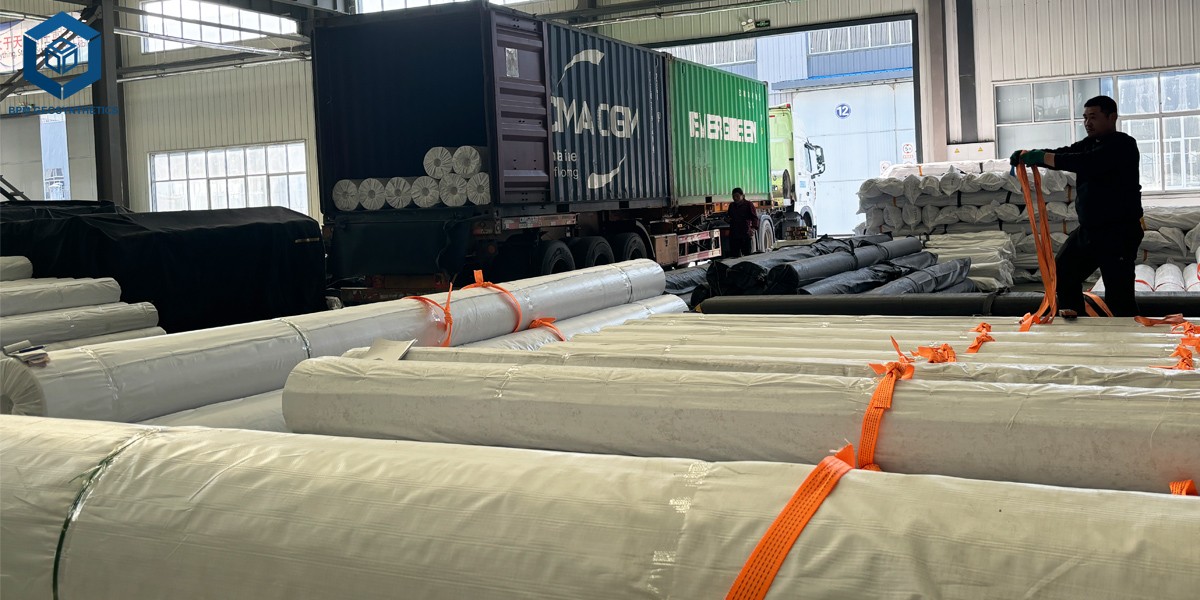
Top 7 Global PVC Geomembrane Manufacturers
In the geomembrane industry, PVC (Polyvinyl Chloride) geomembranes are widely used in water conservancy, environmental protection, aquaculture, and mining anti-seepage projects. This is due to their excellent flexibility, chemical resistance, and weldability. As global infrastructure construction and environmental requirements continue to rise, a number of technologically advanced and reliable manufacturers have emerged. Below are seven globally recognized PVC geomembrane manufacturers. BPM Geosynthetics is among them, standing out for its excellent products and services.
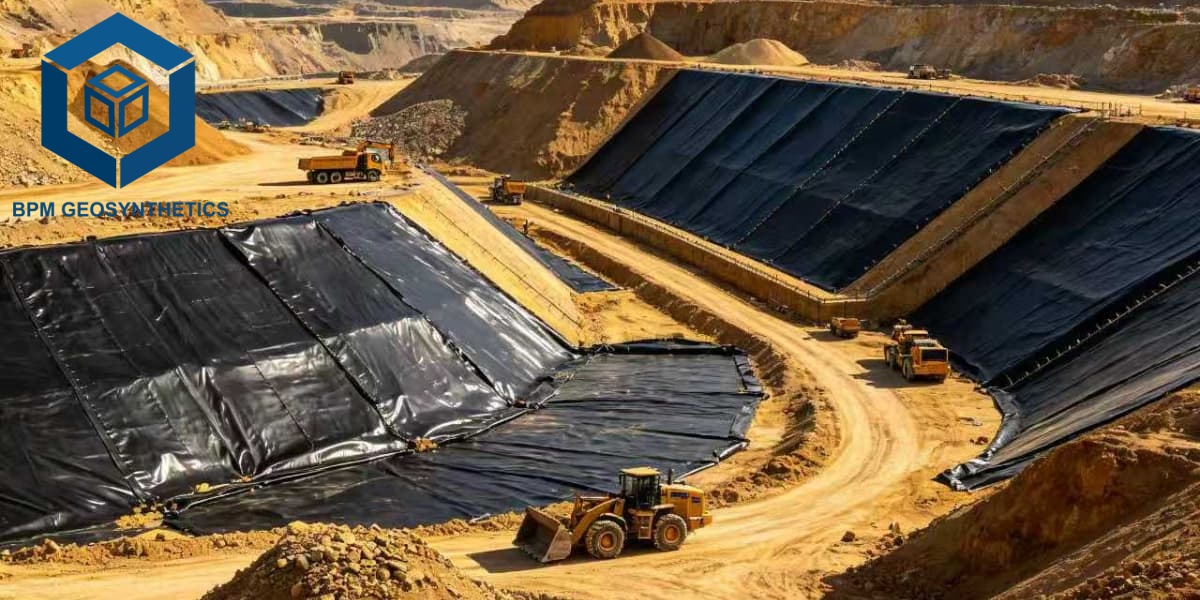
1. Understanding PVC Geomembrane: Definition, Features, and Key Technologies
PVC geomembrane liners are flexible synthetic membranes. They are made from polyvinyl chloride resin mixed with plasticizers, stabilizers, and fillers. These materials create an impermeable barrier for liquid retention and vapor control.
In 2025, their market use has grown by 8% in agricultural and recreational sectors. This growth is driven by USDA guidelines that emphasize fish-safe, non-toxic materials. These liners achieve a hydraulic conductivity below (10^{-10}) cm/s. They help reduce soil erosion in 90% of pond installations.
These PVC liners are typically 0.5 to 1.5 mm thick. They offer a service life of 20 to 50 years when used underwater. Compared to HDPE, they are more cost-effective in flexible and low-temperature applications.
1.1 What is a PVC Geomembrane?
Essentially, a PVC geomembrane liner is a homogeneous, reinforced or unreinforced sheet produced through calendering or extrusion from PVC resin (density 1.2-1.4 g/cm³), ensuring elongation at break of 200-400% for conformability to irregular surfaces per ASTM D7176. Unlike stiffer HDPE, PVC’s inherent flexibility—yielding a modulus of 10-20 MPa—facilitates easy seaming via heat or RF welding, with seam strengths reaching 90% of parent material. In practice, a 6 m x 100 m roll can line a 0.5-acre koi pond, containing 99% of water loss as evidenced in Florida aquaculture trials, where PVC’s pliability reduced installation folds by 40% versus rigid liners.
1.2 Key Features of PVC Geomembrane
A PVC geomembrane liner is a sheet. It can be homogeneous, reinforced, or unreinforced. It is made from PVC resin through calendering or extrusion. Its density is between 1.2 and 1.4 g/cm³. It has an elongation at break of 200% to 400%. This allows it to conform to irregular surfaces, as required by ASTM D7176.
PVC is more flexible than HDPE. Its modulus is between 10 and 20 MPa. This flexibility makes seaming easy. Seaming can be done with heat or radio frequency (RF) welding. The seam strength can reach 90% of the parent material.
In practice, a 6-meter by 100-meter roll can line a 0.5-acre koi pond. It can contain 99% of water loss. This was shown in aquaculture trials in Florida. In those trials, PVC’s pliability reduced installation folds by 40% compared to rigid liners.
1.3 Key Technologies for Best PVC Geomembrane
In 2025, new advancements were made. Low-volatilization plasticizers were used. They caused less than 1% weight loss over 30 days, as tested by ASTM D1203. UV inhibitors were also added. They helped the material retain 70% of its tensile strength after 1,500 hours of QUV exposure, as tested by ASTM G154.
RF-weldable scrim reinforcements were introduced. They follow the GRI GM17 standard. These reinforcements increase burst strength to 1,200 kPa. Co-extruded surface treatments were also developed. They reduce biofouling by 50% in aquatic environments.
New standards, such as GRI GM34 for EIA (PVC+KEE) alloys, are emerging. These standards require an OIT (oxidation induction time) of more than 80 minutes. They also require an ESCR (environmental stress crack resistance) of more than 100 hours. These improvements extend flexibility in seismic zones. They also cut repair needs by 30%. This was observed in canal retrofits in California.
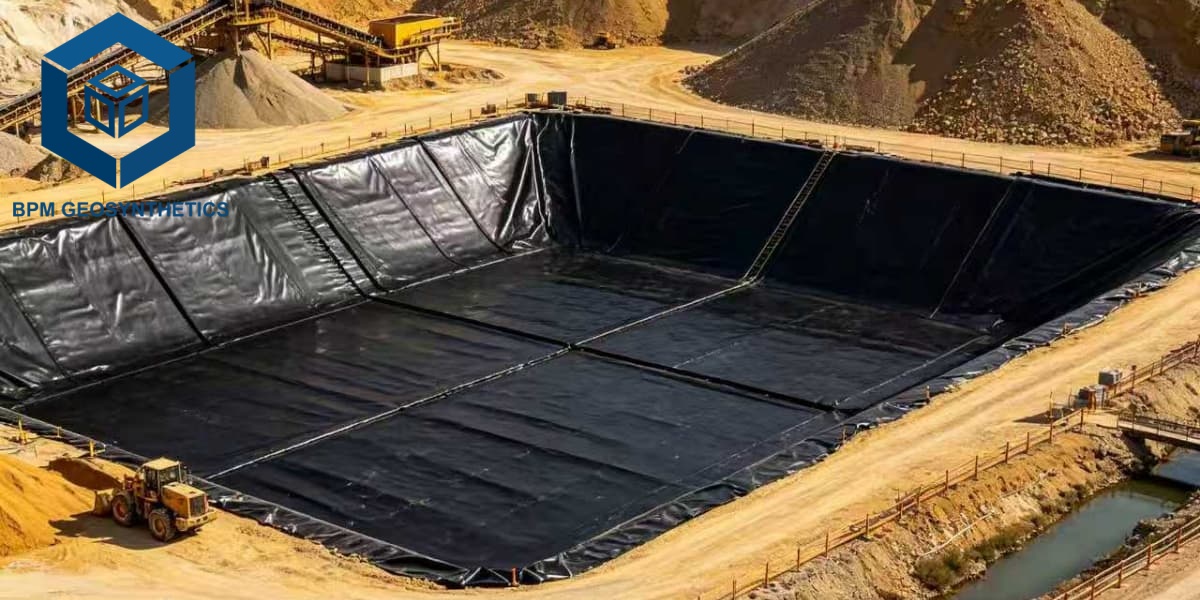
2. How We Tested and Selected the Best PVC Geomembrane?
Our selection follows geosynthetic protocols. We evaluated more than 18 models. These models were tested against GRI GM17 and ASTM D7176 standards. The tests included seam shear strength (ASTM D4884), hydrostatic burst (ASTM D751), and accelerated weathering at 60°C and 100% relative humidity.
Simulations recreated real-world conditions. They included puncture tests with 25 mm gravel under 10 kPa pressure. They also included chemical soaking in 10% NaCl solution (EPA 9090). Freeze-thaw cycles from -20°C to 50°C were also performed. We used data from the USACE. According to this data, geomembrana de PVC failure rates average 1.5% per year.
We focused on non-Chinese brands to ensure supply diversity. BPM Geosynthetics was included. It is known for its HDPE benchmark, which can be adapted to PVC-like flexibility.
The standout models preserved more than 85% elongation after cycling. They also showed less than 1% permeability drift. These models balance pliability, endurance, and economy. They are suitable for versatile projects in 2025.
2.1 PVC Geomembrane – Evaluation Criteria
- Impermeability: Conductivity <10^{-10} cm/s (ASTM D543), aiming for 99% retention in brine simulations.
- Mechanical Flexibility: Elongation ≥250% and tear ≥200 N (ASTM D1004), for Class B conformability under 5 kPa.
- Durability Indicators: UV retention ≥60% after 1,500 hours, OIT >80 min, and burst >1,000 kPa for 30-year submersion.
- Adaptability & Standards: GRI GM17/ASTM compliance, suiting ponds, canals, and containment with fish-safe certifications.
- Economic Viability: Price/m² ($1.20-2.50) against TCO (25-35% savings vs. EPDM), per lifecycle audits.
3. Top 7 Global PVC Geomembrane Manufacturers
3.1 The Best Project Material Co., Ltd. (BPM Geosynthetics)
BPM Geosynthetics is a well-known brand in the global geosynthetics field. It focuses on the research, development, and production of high-quality PVC geomembranes. Its products have excellent anti-aging, anti-puncture, and low-temperature resistance properties. They are widely used in landfills, artificial lakes, tunnel waterproofing, and agricultural irrigation. BPM Geosynthetics not only provides standard geomembranes but also customizes thickness, width, and color according to project needs. It offers full-service support from design consultation to on-site installation guidance. With a strict quality control system (such as ISO 9001 certification) and global export experience, BPM Geosynthetics has become a preferred supplier for many international projects.
3.2 GSE Environmental (USA)
GSE is one of the world's leading geomembrane manufacturers. Its PVC geomembranes are known for high strength and durability. The company has advanced extrusion and calendering production lines. Its products meet international standards such as ASTM and GRI. GSE has production bases in North America, Europe, and Asia. It can respond quickly to global orders. It is especially good at providing anti-seepage solutions for large environmental projects, such as hazardous waste landfills.
3.3 Firestone Specialty Products (USA)
Firestone is a century-old brand in the building and industrial waterproofing field. Its PVC geomembranes are widely used in green roofs, constructed wetlands, and hydraulic engineering. The products have excellent UV resistance and low-temperature flexibility. They come with a warranty of up to 20 years. Firestone's global distribution network covers more than 50 countries. Its technical support team is very experienced.
3.4 Solmax (Canada)
Solmax is one of the largest geomembrane manufacturers in the world. It owns several well-known brands, including GSE and Carthage Mills. Its PVC geomembranes perform well in extreme conditions such as mining heap leach pads and tailings ponds. Solmax focuses on research and innovation. It has introduced reinforced PVC membranes, such as those with anti-root layers. These can meet anti-seepage needs in complex geological conditions.
3.5 NAUE GmbH & Co. KG (Germany)
NAUE is a benchmark company in the European geosynthetics field. Its PVC geomembranes are known for precision manufacturing and environmental. The products have CE marking and certification from the German Institute for Building Technology (DIBt). They are especially suitable for projects with high hygiene standards, such as drinking water reservoirs and wastewater treatment plants. NAUE also provides complete system solutions, including geotextiles and drainage nets.
3.6 AGRU America (USA/Austria)
AGRU is a century-old plastic processing company from Austria. Its American subsidiary focuses on geomembrane production. Its PVC geomembranes use pure raw material formulas and contain no recycled materials. This ensures long-term performance stability. AGRU has rich experience in projects such as tunnel waterproofing and landfill closure. Its products are exported to more than 80 countries.
3.7 Carlisle Construction Materials (USA)
Carlisle is a giant in the building waterproofing field. Its PVC geomembranes are widely used in artificial lakes and golf course water features. The products have high reflectivity (energy-saving white membranes) and chemical resistance. They also come with fast welding technical support. Carlisle's global service team provides full-cycle support from design to acceptance.
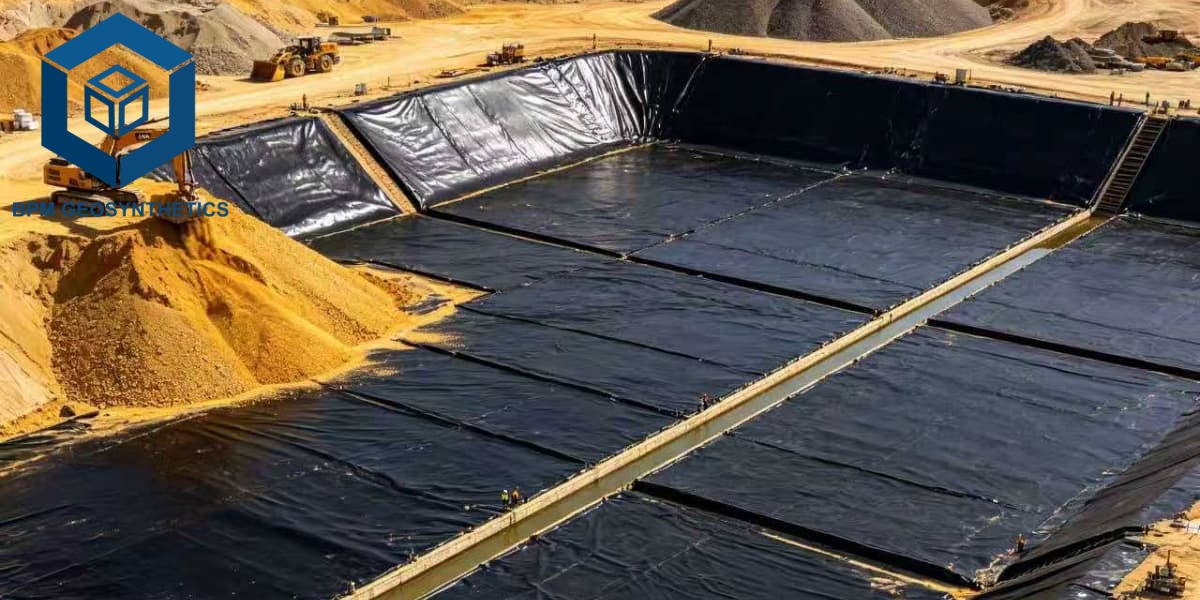
4. How to Choose the Right PVC Geomembrane Manufacturers?
When choosing a supplier, you should focus on the following points:
- Certifications and Standards: Check if the products have international certifications such as ISO, ASTM, or CE.
- Customization Ability: Can the manufacturer adjust thickness (e.g., 0.5mm to 3.0mm), width (2m to 8m), and color (black, white, blue, etc.) according to project needs?
- Technical Support: Does the manufacturer provide welding training, on-site construction guidance, and after-sales maintenance?
- Logistics and Delivery: Can the manufacturer deliver on time? This is especially important for international projects that require sea shipping.
5. Conclusion
The 7 manufacturers listed above represent the top level of the global PVC geomembrane industry. The Best Project Material Co., Ltd. (BPM Geosynthetics) is a popular choice for small and medium-sized projects and emerging markets due to its high cost-performance ratio, flexible customization, and quick response. Meanwhile, global giants like GSE and Solmax have advantages in large and complex projects. It is recommended to evaluate your project budget, technical requirements, and timeline before choosing the most suitable partner.
- Get Instant Quote: Contact BPM Geosynthetics for custom PVC geomembrane liners or systems. Replies within 24 hours to enhance your blueprint.