Ultimate Guide to Water Tank Liners Prices
It is very important to choose the best water tank liner if you want to keep the water storage system safe, maintain the water tank for a long time, and have clean and safe water without any contamination. However, water tank liners prices are not easy to understand. This is because there are many different types of materials, various thicknesses, different ways of installation, and different application needs. This Ultimate Guide helps you to understand each and every factor of the price from HDPE and PVC to EPDM and custom-fabricated liners so that you can easily compare the options, plan your budget correctly and choose the solution that has the best value for your residential, agricultural, industrial, or commercial water storage project.
1. What is a Water Tank?
Water tanks are vessels that are specifically made to store water. Their main function is to keep a water supply for later use, thus they are an essential part of households, farms, industrial, and commercial sectors. These tanks can be any size, made of different materials, and have different shapes. They can be small plastic barrels found in homes or huge concrete reservoirs and even high steel water tanks in towns and cities.
2. What is a Water Tank Liners?
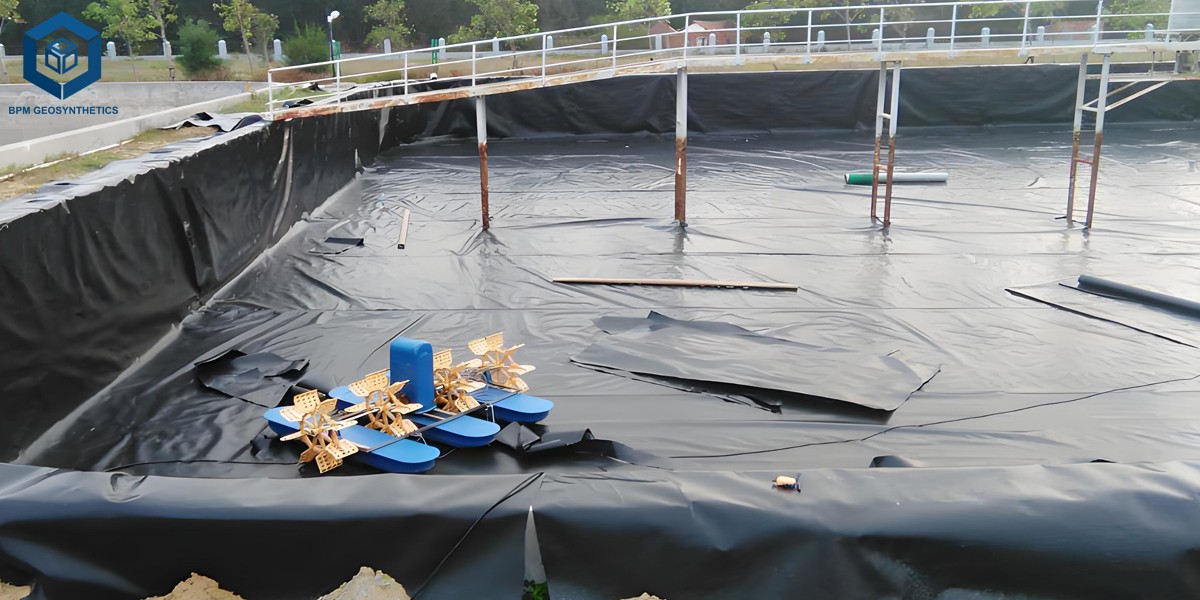
The hdpe lining for water tank is a type of a water storage tank or container that is flexible and made of a membrane that does not allow the passage of liquids. Its key role is to install it as a sealed barrier which stops leaks and protects the water and tank structure besides it. With a lining inside, the water is stopped from leaking out of the cracks and the porous surfaces of concrete or steel walls while rust, corrosion, or contaminants released by the tank walls are also stopped from mixing with the fresh water stored. This is very helpful in making sure that the water is safe to drink and also in the process of releasing old, leaking tanks. Their durability is ensured by materials such as PVC, HDPE, or EPDM. Besides helping in residential, agricultural, and industrial applications these products as well indispensable in giving the tank a long life which is a kind of water-saving safe storage.
2.1 Water Tank Liners Purpose and Primary Functions
- Leakage Prevention;
- Corrosion and Contamination Protection;
- Rehabilitation of Existing Tanks;
- Chemical Resistance.
2.2 Water Tank Liners Common Materials
Liner water tanks are manufactured from strong, long-lasting, and flexible polymer-based materials. The material used largely depends on the job, the money available, and the type of chemicals to which the material will be exposed.
2.2.1 Polyethylene (PE Water Tank Liners)
Linear Low-Density Polyethylene (LLDPE) is currently one of the most widely used materials. It is very flexible, resistant to puncture and can stand chemical attacks, and also, if the carbon-black is added, it is very stable under UV rays. It is also priced moderately and can be fabricated without joints in large pieces for easy installation. High-Density Polyethylene (HDPE) is a tougher, more inflexible type of material that is very durable and highly resistant to chemicals. For this reason, it is often the source containment material that is used in environmentally difficult situations.
2.2.2 Polyvinyl Chloride (PVC Water Tank Liners)
PVC is a long-established and widely-used material. The PVC liners are very flexible, strong, and their installation is relatively simple as they are pliable. They also resist many kinds of chemicals and can be made in different thicknesses. Their flexibility can, however, make them more vulnerable to punctures in the installation if they are not handled with care.
2.2.3 Reinforced Polypropylene (RPP Water Tank Liners)
This material is known for its remarkable performance when used in exposed situations. It has a very good resistivity to ultraviolet (UV) radiation, temperature variations, and to chemical oxidation. Its reinforcement with the woven scrim gives it very high tensile strength, hence it is very stable with respect to its dimensions and resistant to punctures. As such, it is a first-class option for dry, exposed installations over a long period of time.
2.2.4 Ethylene Propylene Diene Monomer (EPDM Water Tank Liners)
Made of synthetic rubber, EPDM is extremely soft and pliable, even at low temperatures, and is very durable against weathering over a long period. It is quite resistant to ozone and UV light. While it is very tough, it can be somewhat heavy and the fact that it is black is not favorable for situations where water temperature needs to be regulated.
If water is to be used for drinking purposes, any pond liner material that is used must be certified to the health and safety standards that are applicable such as NSF/ANSI 61, so as to guarantee that it does not emit harmful substances into the water for drinking.
3. Water Tank Liners Primary Application
3.1 Potable Water Storage
Water storage tank liners are instrumental in the retention of water purity as they act as barriers that prevent the water from getting mixed with rust, sediments, or bacteria which are usually present in the interior of the tanks. They are also an integral part of the lifetime extension of the concrete or steel tanks by virtue of them providing the protective, waterproofing layer.
3.2 Agriculture
Tank liner play an essential role in reducing the leakage of irrigation ponds and farm reservoirs, thereby ensuring the availability of water during the dry seasons. In addition, they perform the function of maintaining the levels in livestock tanks which is a vital aspect of efficient farming operations.
3.3 Aquaculture
Through the use of polyethylene tank liner, aquaculture farms create a smooth and non-toxic surface that elevates water quality and lowers production diseases for fish and shrimp. Also, they make the task of cleaning the ponds less cumbersome and help farm operators keep regular production cycles.
3.4 Industrial and Chemical Storage
Liners provide the needed containment for a large number of liquid types which include treated water and process fluids thus, the chances of leaks and environmental pollution are greatly reduced. Furthermore, they are safe performers due to their chemical resistance, even in tough industrial conditions.
3.5 Wastewater and Sewage Treatment
PVC tank liners are the ultimate guards that keep untreated wastewater from soaking through the soil and groundwater by which they support the implementation of environmental regulations. Also, they give the structural strength of the treatment tanks a boost by lessening the occurrences of erosion and chemical attack.
3.6 Rainwater Harvesting Systems
Plastic water tank liners are the enablers of successful rainwater collection systems as they deter water loss through leaks and aid in maintaining the quality of the stored water. They come in handy more so in underground cisterns, where the control of moisture and durability are of utmost importance.
4. Ultimate Guide to Water Tank Liners Prices?
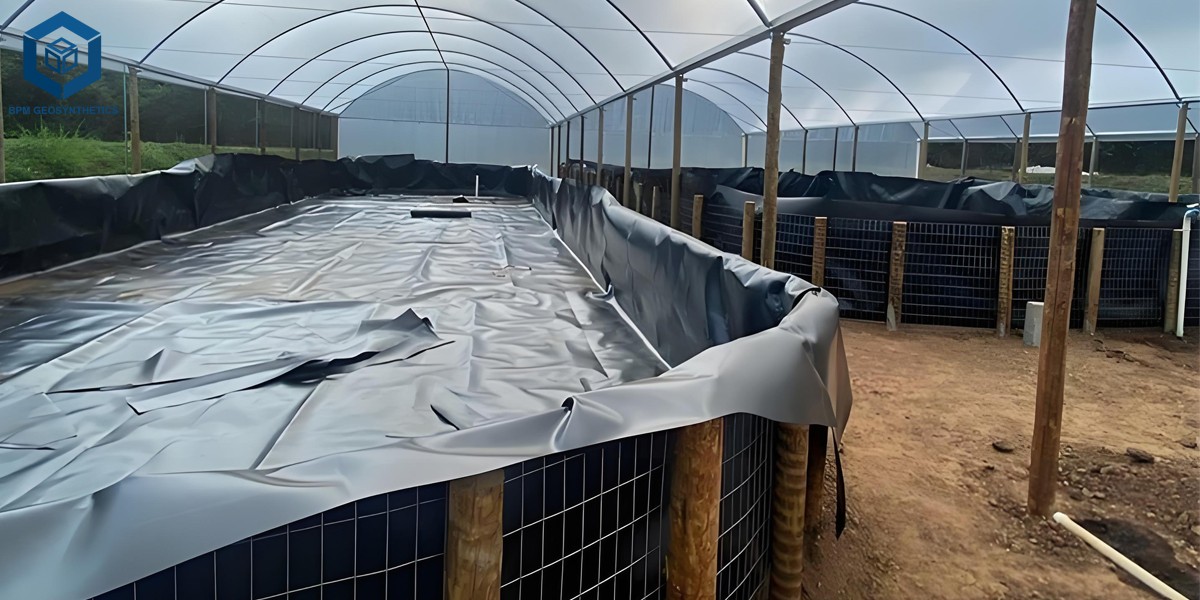
4.1 HDPE Water Tank Liners Prices is mostly influenced by the thickness (mil or millimeter) of the material and the welding and panel fabrication complexity. Being a material of high durability and quality, it is often priced higher initially than the likes of PVC and EPDM. The reason for its excellent quality is its outstanding resistance to chemicals, extremely low permeability, strong UV resistance (when carbon black is introduced), and the strength of both factory and field-fused seams that result in a structure that is almost monolithic.
4.2 PVC Water Tank Liners Prices is of a medium range and is mainly influenced by whether there is a fabric scrim reinforcement (which makes the product stronger and more expensive), the product's thickness and the amount of UV stabilizer. The product's quality can be judged by its high puncture and tear resistance (due to the scrim), even thickness, and good flexibility. Over a period, however, plasticizers can gradually leave thus making the liner brittle; a high-quality PVC will have additives to slow this process. There are also certain bacteria, some fuels, and solvents that can cause damage to the PVC.
4.3 EPDM Water Tank Liners Prices is generally very attractive to the consumer. And they are especially valued for their superb elasticity and resistance to weathering. Their price is very much dependent on the cost of the raw material (rubber) and the thickness of the product. The main quality feature of EPDM is its excellent operating performance in very low or very high temperatures and the fact that it remains flexible in the cold where PVC loses its flexibility. It also has great resistance to UV and ozone. But, the point of origin of the lowest quality issue of EPDM is the fact that it has a lower resistance to the oils, hydrocarbons, and animal fats than HDPE and that it is normally joined with adhesive seams (potentially a weak point) while thermally welded HDPE or PVC seams are stronger.
The question of the most suitable lining material does not revolve around which one is the most expensive but rather which one has a quality profile that fits the water type, environmental conditions, and budget the best in terms of chemical resistance, lifespan, seam integrity, and installation.
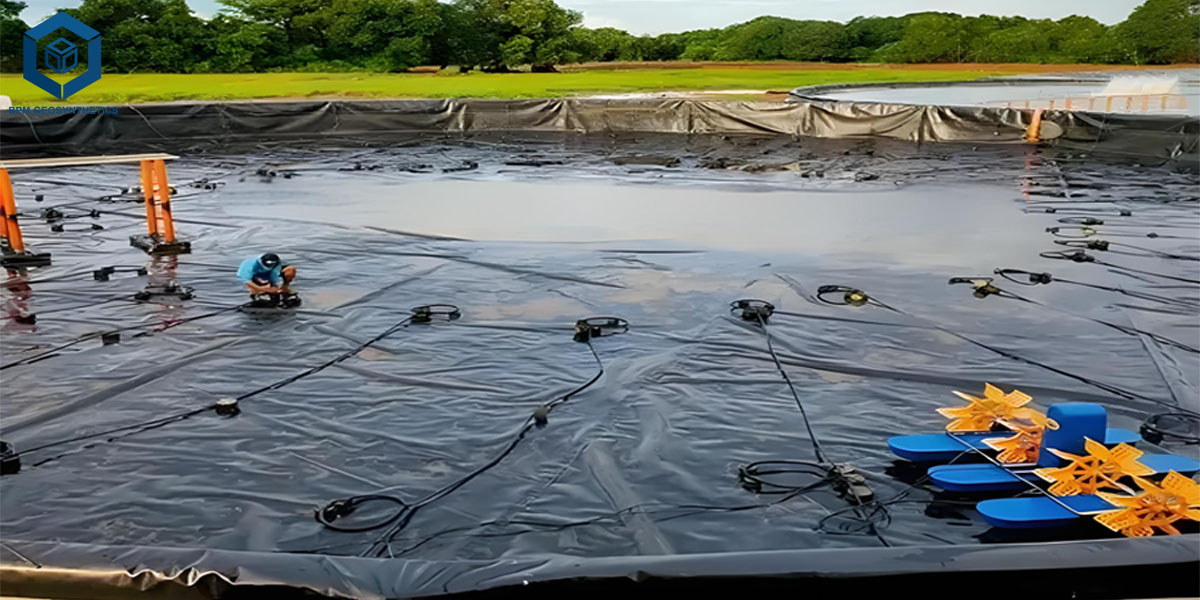
The Best Project Material Co., Ltd.(BPM Geosynthetics)offers a full line of top-notch water tank liners with their leading products being made from HDPE, PVC, and EPDM. Each material has its unique characteristics suitable for different applications.
To sum it up, BPM Geosynthetics's HDPE is the most suitable for the environment that is harsh, prone to heavy chemical contamination, and exposed; their PVC is just right for the usage that is general with a good mixture of strength and value; and their EPDM is best for potable water and areas where there are severe seasonal changes as it has excellent temperature tolerance and flexibility.