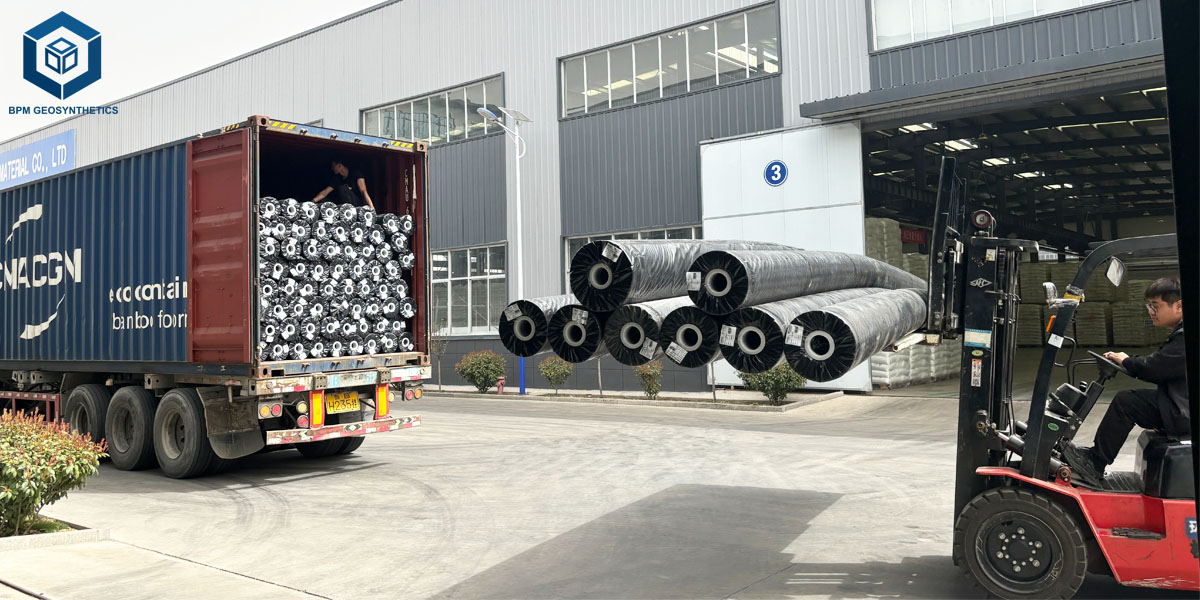
The 7 Best Geotextile Road Fabric Review
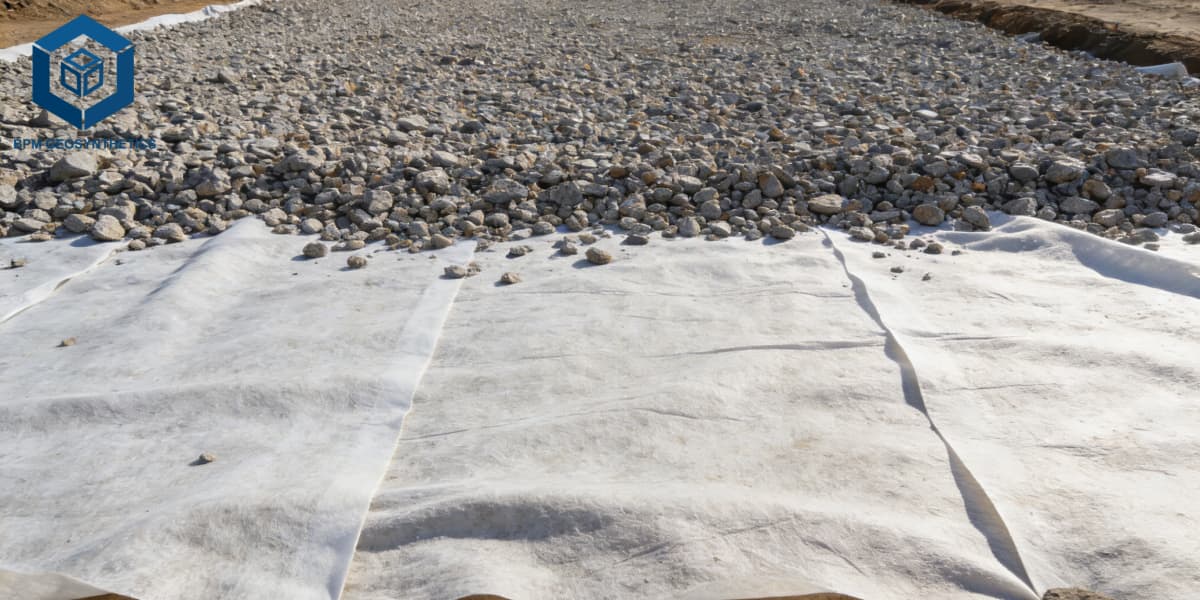
Geotextile, also known as Geotextile Road Fabric, is a permeable civil engineering roll material made of synthetic fibers such as polypropylene and polyester through non-woven processes. Its main functions include isolation, filtration, drainage, reinforcement and protection.
1. DuPont
DuPont de Nemours, Inc. (NYSE: DD) is a leading global materials science and innovation-driven company headquartered in Wilmington, Delaware, USA. In the geotextile field, its core product is the Typar® spunbond polypropylene series. DuPont boasts technological benchmarks, a global network, and brand premium, while facing cost pressures from its high-end positioning and competition from emerging markets.
1.1 Core Advantages:
1.1.1 Technological Barriers
Typar® products excel in UV resistance, chemical stability, and mechanical properties, holding international certifications such as AASHTO, NTPEP, and ISO. Performance degradation is minimal even under long-term extreme conditions.
1.1.2 Brand and Standards
A significant industry benchmark, product parameters are frequently used in project design standards, resulting in high customer recognition and suitability for high-standard municipal, environmental, and transportation projects.
1.1.3 System Capabilities
Can be integrated with geomembranes, drainage networks, etc., to form comprehensive solutions, providing full-process technical support from material selection to construction guidance.
1.2 Potential Disadvantages
1.2.1 Cost and Price
Mid-to-high-end positioning leads to higher unit prices than regional brands, resulting in weaker competitiveness in price-sensitive small and medium-sized projects and significant procurement cost pressures.
1.2.2 Business Focus Shift
In recent years, the company has strategically focused on high-growth areas such as semiconductors and AI materials, leading to a relative slowdown in resource investment in traditional infrastructure materials such as geotextile driveway fabric.
2. Solmax
Solmax, founded in Canada in 1981, is the world's largest manufacturer of geosynthetics. Its core products cover geotextile, geomembrane, and geocomposite, with operations in 58 countries. Following the acquisition of TenCate Geosynthetics and Propex in 2021, its scale and technological strength have further increased. Solmax focuses on high-performance engineering solutions in transportation, water conservancy, mining, and waste management.
2.1 Core Advantages
2.1.1 Scale and Production Capacity Advantage
As the world's largest geosynthetics manufacturer, Solmax has multiple regional production bases and a warehousing network, enabling rapid response to the bulk delivery needs of large-scale multinational projects, significantly reducing supply chain risks and logistics costs.
2.1.2 Technology and Product Matrix
Integrating the technological accumulation of multiple leading companies, Solmax possesses a series of high-performance geotextiles such as MIRAFI® (e.g., HMi high-stiffness stable geotextile), which combine reinforcement, isolation, and filtration functions, adapting to complex engineering scenarios. The products are also recyclable and meet sustainability standards.
2.1.3 Engineering and Service Capabilities
With over 40 years of industry experience, Solmax has accumulated extensive experience in projects under extreme conditions, enabling it to provide customized design, installation guidance, and quality control to reduce project risks.
2.2 Potential Disadvantages
2.2.1 Management and Cost Structure
Multinational scale leads to higher management and coordination costs, and its flexibility in responding to small-batch, localized, and rapid customization needs may not be as good as regionally specialized manufacturers.
2.2.1 Price Competitiveness
High-end positioning and technological premium result in higher prices for some product lines compared to local manufacturers, leading to greater competitive pressure in price-sensitive small and medium-sized projects.
3. Tensar
Tensar International is a global provider of soil reinforcement and foundation stabilization solutions in the geosynthetics field, with geogrid technology at its core. It launched its geogrid manufacturing process in 1978. Headquartered in Alphalitta, Georgia, USA, it was acquired by Commercial Metals Corporation (CMC) in 2022. It has significant advantages in scenarios such as roads, railways, airports, and renewable energy, but also faces challenges such as limited investment in high-end geotextile road fabric technology and intensified market competition.
3.1 Core Advantages
3.1.1 Engineering Design Capabilities
Provides concept assessment, engineering design, stamped drawings, and construction assistance; adaptable to complex geological conditions; can reduce carbon emissions by 65%, aggregate usage by 70%, shorten construction period, and lower costs.
3.1.2 Application Scenarios
Extensive experience in transportation infrastructure such as roads, railways, and airports; suitable for low-bearing-capacity soils and rapid construction projects.
3.2 Potential Disadvantages
3.2.1 Insufficient Price Competitiveness
High-end technology and composite systems result in higher product prices than local ordinary geotextile manufacturers. In price-sensitive small to medium-sized pure isolation/filtration projects, the cost-effectiveness is relatively low, and it is easily replaced by regional brands.
3.2.2 Limited Regional Response Flexibility
The multinational management system leads to longer response times for small-batch customization and urgent orders. Localization service details (such as adapting to local construction habits) may lag behind local specialized manufacturers.
4. Maccaferri
Maccaferri is a century-old giant in the global geotechnical engineering field. Based on its original gabion mesh technology, it positions itself as an integrated solution provider of "materials + design + construction". Its core value lies in the balance between ecological stability and engineering durability under complex geological/hydraulic conditions. Non woven road fabric is mostly used as supporting products for core products such as gabions and reinforced mats, serving scenarios such as water conservancy, slope protection, and environmental protection.
4.1 Core Strengths
4.1.1 Geotechnical System Integration Capabilities
A century of experience in geotechnical engineering, with geotextiles designed in synergistic ways with gabions and geogrids, Maccaferri provides integrated "materials + structure + construction" solutions to adapt to complex geotechnical scenarios such as slope stabilization, river management, and tailings dams, reducing engineering risks.
4.1.2 Ecological and Durability Compatibility
Products emphasize flexibility, permeability, and ecological compatibility (such as the PoliMac® environmentally friendly coating), adapting to differential settlement and extreme climates, complying with EU EPD and LCA standards, and meeting the sustainability requirements of environmentally friendly projects.
4.1.3 Global Service and Localization
With 23 factories and 70+ branches, the technical team can quickly respond to on-site needs, providing customized design and installation guidance. Localization is available in regions such as China.
4.2 Potential Disadvantages
4.2.1 Limited Technological Depth in Pure Geotextiles
Compared to brands like Solmax and DuPont that focus on geosynthetics, Maccaferri lags behind in terms of technological patents and product iteration speed in high-end spunbond and pre-stretched geotextiles (such as ultra-high modulus and long-life filtration types). Its pure geo road fabric product line is relatively focused.
4.2.2 Price and Cost Structure
System solutions and brand premium result in higher prices for some product lines compared to local pure geotextile manufacturers, making it less competitive in price-sensitive small to medium-sized pure geotextile projects (such as ordinary road isolation layers).
5. NAUE
Founded in Esperkamp, Germany in 1967, AUE GmbH & Co. KG is a family-owned business headquartered in Esperkamp, Germany, with approximately 500 employees and operations in more than 60 countries. Its core positioning is as a provider of complete geosynthetic solutions for "sustainable foundation construction".
5.1 Core Strengths:
5.1.1 Leading Seepage Control and Reinforcement Technology
In seepage control applications such as landfills and tunnels, NAUE's geomembrane and bentonite mat systems are technologically mature. Its geogrids exhibit outstanding tensile strength and creep resistance, making them suitable for challenging geotechnical engineering projects. NAUE provides integrated solutions combining materials, structure, and construction, reducing project risks.
5.1.2 Outstanding Sustainability and Compliance
The products comply with EU EPD and LCA standards, utilize recycled materials and environmentally friendly processes, exhibit strong eco-compatibility, and are suitable for the sustainability requirements of environmental projects. They have obtained international certifications such as ISO 9001 and are suitable for the qualification requirements of multinational and government-funded major projects.
5.2 Potential Disadvantages:
5.2.1 Insufficient Price Competitiveness
High-end processes and system solutions result in higher product prices than ordinary local geotextile manufacturers. In price-sensitive small-to-medium-sized pure isolation/filtration projects, the cost-effectiveness is relatively low, and the products are easily replaced by regional brands.
5.2.2 Limited Nonwoven Fabric Technology Footprint
Primarily focused on composite and specialty geotextiles, the company's technological accumulation and product iteration speed in the field of high-end spunbond nonwoven fabrics (such as pre-stretched polypropylene filament) are not as fast as brands like DuPont that specialize in nonwoven fabrics, resulting in fewer options for pure filtration/isolation scenarios.
6. The Best Project Material Co., Ltd. (BPM Geosynthetics, Tai'an, Shandong)
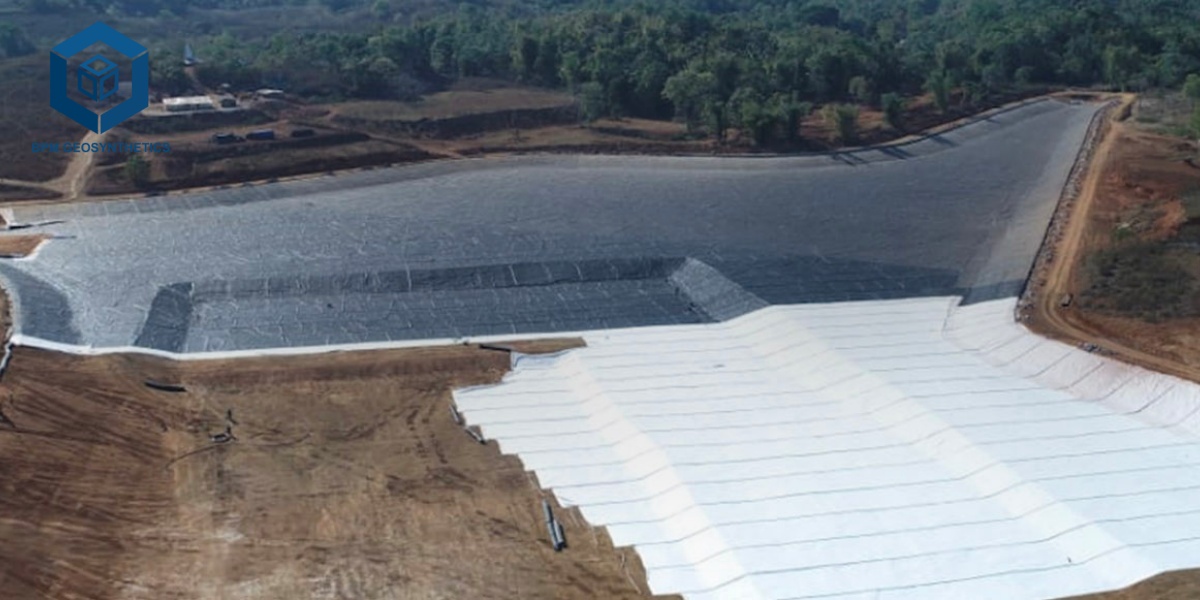
The Best Project Material Co., Ltd. (BPM Geosynthetics) is a professional geosynthetic materials manufacturer established in Tai'an, Shandong Province in 2010. The company mainly focuses on the production and supply of HDPE geomembranes, geotextiles, and related geosynthetic materials. Over the years, BPM Geosynthetics has built a solid reputation in domestic and international markets by offering reliable quality products, competitive pricing, and responsive customer service. With strong manufacturing capabilities and a well-established supply chain, BPM Geosynthetics provides practical and cost-effective solutions for projects such as aquaculture ponds, landfill liner, water conservancy projects, and municipal seepage prevention systems.
6.1 Core Advantages:
6.1.1 High cost-effectiveness, suitable for the mid-range market
BPM Geosynthetics focuses on delivering products with an excellent balance between quality and price. By optimizing production processes and maintaining efficient raw material sourcing, the company can provide durable geomembranes and geotextiles at competitive prices. This makes BPM products particularly attractive for medium-budget projects such as aquaculture farms, irrigation reservoirs, municipal drainage systems, and general civil engineering works where cost control is important without compromising essential performance.
6.1.2 Complete product specifications to meet the differentiated needs of various engineering scenarios
The company offers a wide range of product specifications, including different thicknesses, widths, and material types to accommodate diverse engineering requirements. From small aquaculture pond liners to large landfill or reservoir containment systems, BPM can supply materials that match specific project conditions. In addition, the company maintains stable production capacity and reliable batch delivery capability, enabling it to support continuous supply for medium and large-scale infrastructure projects and long-term construction schedules.
6.1.3 Strict quality control throughout the entire production process
BPM implements strict quality management from raw material procurement to manufacturing and final product inspection. High-quality polyethylene resin and other raw materials are carefully selected to ensure product durability and chemical resistance. During production, multiple inspection procedures are conducted to monitor thickness uniformity, tensile strength, and impermeability. This systematic quality control helps ensure consistent product performance, improves engineering reliability, and reduces potential risks during installation and long-term project operation.
6.2 Potential Disadvantages:
6.2.1 Insufficient high-end technology R&D and innovation capabilities
Compared with some global leading geosynthetics manufacturers, BPM’s technological research and development capacity in advanced materials and high-performance geomembrane technologies is relatively limited. While the company performs well in producing standard and widely used products, it may face challenges in competing in specialized high-tech segments such as advanced composite liners, innovative polymer formulations, or highly customized engineering materials.
6.2.2 Relatively limited R&D investment and slower product iteration speed
Due to comparatively modest investment in research and development, BPM may experience slower product innovation cycles than some large multinational competitors. This can make it more difficult to quickly introduce cutting-edge geosynthetic products that meet rapidly evolving industry standards or highly specialized engineering demands. As the global market increasingly emphasizes advanced performance, sustainability, and smart materials, expanding R&D investment could help BPM Geosynthetics further strengthen its competitiveness in high-end markets.
7. Shandong Geosino New Material Co., Ltd. (GEOSINCERE Geosynthetics)
7.1 Company Introduction
GEOSINCERE Geosynthetics is a manufacturer of a full range of geosynthetics with its own factory and self-operated export business, exporting its products to over 60 countries.
7.1 Core Advantages:
7.1.1 Strong Localization Adaptability
Familiar with domestic engineering standards and construction practices, enabling rapid response to customer needs and providing localized services such as on-site installation guidance and technical consultation, adapting to local geological and working conditions.
7.1.2 Ability to Customize Material Specifications and Construction Plans According to Specific Project Needs
Short delivery cycle for small-batch orders, adapting to the flexible procurement needs of small and medium-sized projects.
7.3 Potential Disadvantages:
7.3.1 Limited R&D investment, slow product iteration speed
Difficulty in quickly launching high-end products that meet cutting-edge market demands, low technological barriers, and easy substitution.
7.3.2 Limited Brand Influence
Brand awareness is mainly concentrated in the domestic and some foreign trade markets. Global recognition in the high-end geosynthetic materials field is lower than that of established international companies, making it difficult to enter large-scale multinational projects with high brand requirements.
Summarize
The selection of Geotextile Road Fabric suppliers is crucial to the success or failure of civil engineering, water conservancy and environmental protection projects. Fortunately, we have gathered 7 outstanding geosynthetic membrane manufacturers, aiming to simplify your exploration and facilitate smoother and more efficient cooperation between you and your ideal manufacturer.
Among the many geotextile manufacturers, The Best Project Material Co., Ltd.(BPM Geosynthetics)stands out for its reliable quality, competitive pricing, and extensive project experience. If you are looking for high-performance geotextile road fabric for your project, BPM Geosynthetics can provide professional solutions. Free samples and detailed quotations are available upon request to help you choose the most suitable product.