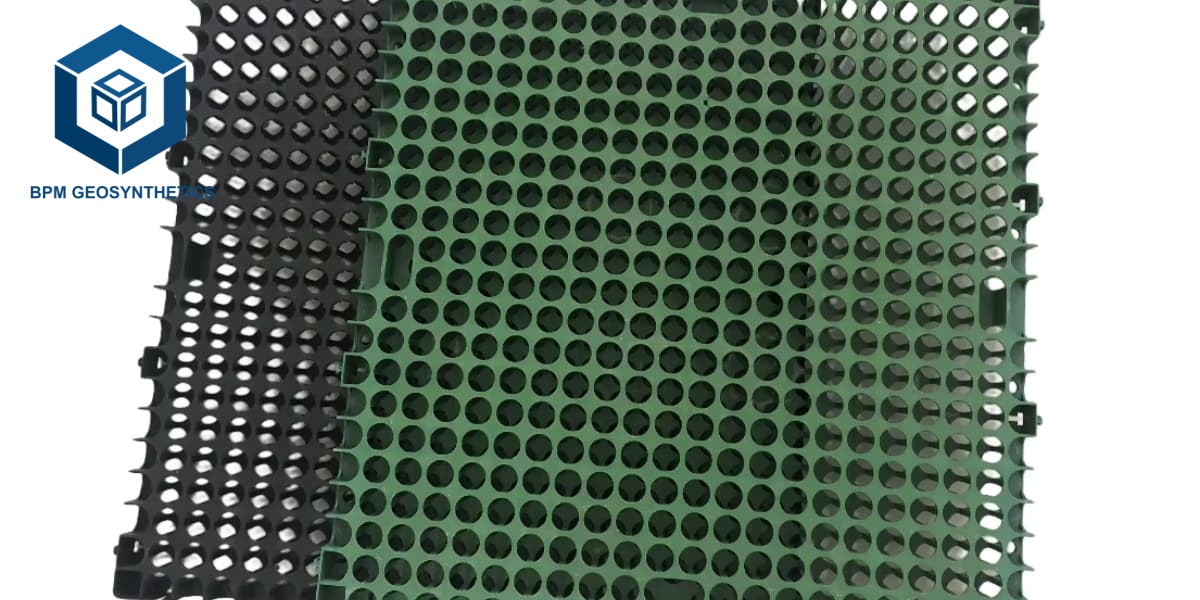
The 5 Best Drainage Cell 30mm Review
Introduction
In the world of modern construction and landscaping, effective water management is not just a luxury—it is a necessity. Whether you are developing a rooftop garden in a bustling metropolis, constructing a sports field, or waterproofing a basement, the challenge of excess water looms large. Traditional methods, such as gravel layers, are often heavy, time-consuming to install, and can degrade over time.
Enter the Drainage Cell 30mm – a revolutionary geocomposite product that has changed the landscape of subsurface water management. This article serves as a comprehensive review of the 30mm drainage cell. We will explore what it is, its mechanical and hydraulic features, its critical applications, and provide a curated list of the top five global suppliers, including an in-depth look at industry leader BPM Geosynthetics.
1. What is a Drainage Cell 30mm?
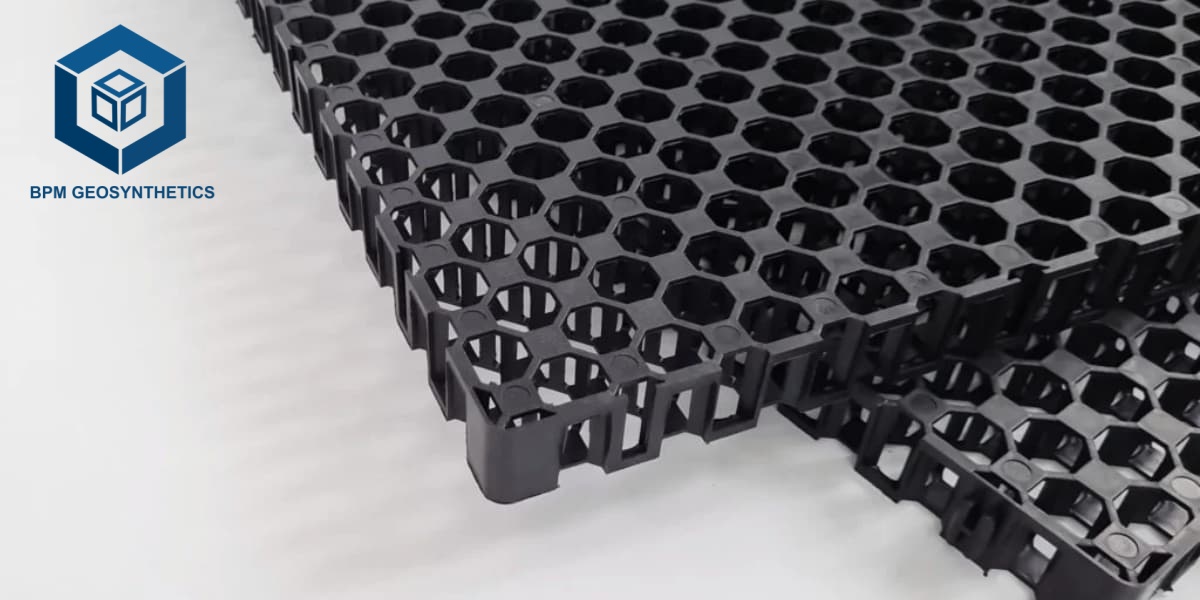
A 30mm drainage cell is a three-dimensional geocomposite core, typically manufactured from polypropylene (PP). As the name suggests, the "30mm" refers to the height of the core. These units are generally molded into cupped or columnar shapes and are often bonded to a filtration geotextile on one side.
The primary purpose of the cell is to create a high-void air gap within the soil or behind structures. This gap allows water to flow freely by gravity to an outlet, preventing water-logging and hydrostatic pressure. Unlike heavy and inconsistent gravel, the 30mm drainage cell provides a uniform, engineered void space (often exceeding 90% internal void volume) that guarantees performance for decades.
2. Key Features of the Drainage Cell 30mm
The popularity of the 30mm profile stems from its specific engineering benefits:
2.1 High Compressive Strength:
Despite being lightweight, these cells are incredibly strong. High-quality 30mm cells can withstand loads ranging from 100 to 140 tonnes per square meter. This makes them suitable for vehicular traffic areas and heavy green roofs.
2.2 Lightweight & Efficient:
A drainage cell system weighs approximately 2-5 kg/m², compared to a gravel layer which can weigh over 100 kg/m². This significantly reduces the structural load on buildings and cuts down transport and labor costs.
2.3 High Flow Capacity:
The "cup" shape of the cells is designed not just for strength but for rapid lateral flow. Depending on the gradient, flow rates can exceed 1.4 litres per second per meter.
2.4 Thermal & Chemical Resistance:
Made from recycled polypropylene, these cells are inert to soil-borne chemicals, bacteria, and bitumen. They also act as an insulating layer, protecting waterproof membranes from thermal cracking.
2.5 Eco-Friendly:
Most leading manufacturers produce these cells using 85% to 100% recycled polypropylene, contributing to green building certifications like LEED.
3. Drainage Cell 30mm Primary Applications
The 30mm high drainage cells are a staple in civil, landscape, and construction engineering because of their high load-bearing capacity, efficient water flow performance, and durability through the years. Below is a detailed listing of its major application sectors.
3.1 Roof Gardens & Podium Decks
Drainage cells have become almost indispensable in a green roof and podium deck assembly.
Primarily, they:
Facilitate quick drainage of excess water after watering or rain
Serve as a mechanical protective layer for waterproofing
Provide plants with an air and water supply through a storage layer
Keep roots from rotting through prevention of waterlogging
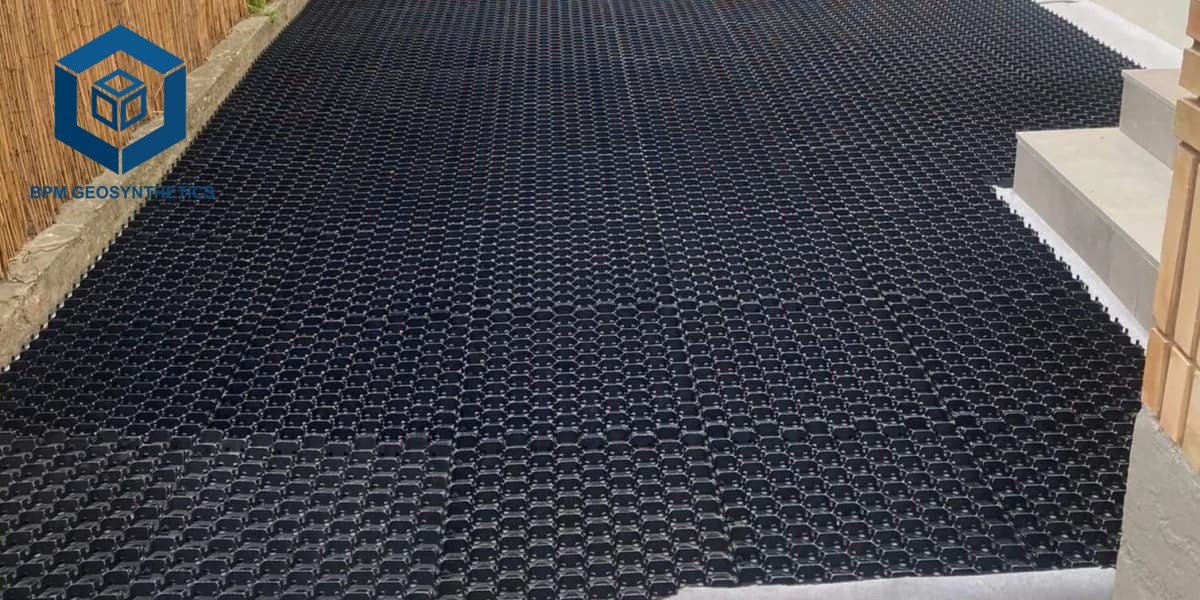
The 30mm cell is quite effective at combining high drainage with low additional weight on a building for roof gardens. And it makes sure gardening areas have enough humidity but not moisture stagnation harmful to both plants and buildings.
3.2 Retaining Walls
Water is the main factor behind retaining wall failures. A 30mm drainage layer is extremely beneficial in controlling water-related issues.
Main roles are:
Decompression of wall hydrostatic pressure
Guiding ground water to drainage outlet
Keeping soil dry and thus lowering the pressure exerted on the wall
Enhancing wall durability
The drainage sheet, when installed against the walls, can act as a water removal corridor continuously, and many modern systems have already replaced traditional gravel backfills with this drainage layer for better and more uniform performance along time.
3.3 Planter Boxes
Drainage is an area where planter boxes often fall short. These 30mm cells, however, are designed to strike a great balance between water retention and drainage.
With a 30mm drainage cell one can:
Store water in irrigation on a passive basis, so that it can gradually be taken up by plants
Quickly expel the surplus water so plants won't be overfed
Provide roots with air, helping plants grow more strongly
Cut down on the frequency of upkeep especially for large-scale applications
The combination of water retention and drainage is what makes this product perfect for a rooftop planter, a balcony garden, and commercial landscaping system where irrigation control is vital.
3.4 Sports Fields
Sports fields retain their ground even after heavy downpours if drainage cells are there to do their job helping keep playable surfaces.
Besides these, they:
Rapidly removing rainwater from the playing surface
Preventing surface puddling and soft spots
Maintaining consistent ground firmness
Reducing downtime after storms
Whether it is a synthetic turf system or natural grass field, the 30mm drainage component ensures that water is drained efficiently into the subsurface systems, thereby making the fields safe and playable after a rain event in a shorter time.
3.5 Basements & Underground Structures
Waterproofing is the number one concern of any basement construction and such cells soak groundwater infiltration up to a great extent.
This drainage cell:
A continuous capillary break layer, preventing moisture rise into structures
Efficient groundwater collection and discharge
Protection of foundation waterproofing membranes
Reduction of dampness, mold, and structural deterioration risks
Typically, tunnels, underground parking lots, and foundation walls come equipped with it.
4. Global Top 5 Drainage Cell 30mm Suppliers
Choosing the right manufacturer is crucial for longevity. Based on global reputation, technical specifications, and market presence, here are the top five suppliers.
4.1 The Best Project Material Co., Ltd.(BPM Geosynthetics)
- Headquarters: China (Global Exporter)
- Overview: BPM Geosynthetics has established itself as a powerhouse in the geosynthetics industry since 2007. They are not just a manufacturer but a comprehensive solution provider, exporting to over 100 countries including Australia, France, the USA, and Singapore.
4.1.1 Why BPM Geosynthetics Stands Out:
BPM Geosynthetics’s 30mm Drainage Cell is engineered for extreme durability. Their specifications show a compressive strength of over 100 tons/m² and an internal void area of 88%, ensuring rapid water evacuation. BPM Geosynthetics utilizes 100% recycled PP, aligning with global sustainability goals.
4.1.2 Key Selling Point:
BPM Geosynthetics offers OEM and ODM customization. If a project requires specific dimensions or colors, BPM Geosynthetics’s technical team integrates closely with contractors to provide bespoke solutions, making them a preferred partner for large-scale infrastructure projects. They also adhere to rigorous international testing standards (ISO, BV, SASO).
4.2 Elmich (VersiCell 3050)
- Headquarters: Singapore
- Overview: Elmich is a pioneer in green infrastructure in Asia. Their VersiCell 3050 is one of the most recognized brands in the market.
- Features: The VersiCell 3050 boasts an impressive 95% internal void ratio and a discharge capacity of 16.5 l/m.s. They emphasize "passive irrigation," where the cups hold water for plant roots during dry spells.
- Ideal For: High-end architectural landscaping and Water Sensitive Urban Designs (WSUD).
4.3 ARDEX (DRS 30 DC)
- Headquarters: Australia
- Overview: ARDEX is globally known for building materials. The DRS 30 DC model is a premium solution for the Australian and European markets.
- Features: ARDEX products are noted for their incredibly high load capacity (up to 140 tonnes/m² when made with virgin materials). They specifically highlight the product’s ability to regulate temperature and prevent concrete cracking due to thermal expansion.
- Ideal For: High-rise buildings and heavy-traffic plaza decks.
4.4 Rainsmart (Nero Cell 30mm)
- Headquarters: United Kingdom
- Overview: Widely available in the UK DIY and civil markets (e.g., B&Q), Rainsmart has democratized drainage solutions for small to medium enterprises.
- Features: The Nero Cell offers a load-bearing capacity of 135 t/m². It is designed to be compatible with soakaway crates for stormwater management. With an 11-year product warranty and 25-year design life, it offers excellent value.
- Ideal For: Driveways, extensions, and domestic garden drainage.
4.5 Norecell (30mm Panel)
- Headquarters: Europe/Global
- Overview: Norecell is often specified by engineers for its adherence to strict European testing standards (ASTM). Their 30mm panel features integral clips for incredibly fast installation without needing loose gravel covers.
- Features: With a compressive strength >135 t/m² and service temperature range from -10°C to 85°C, Norecell is built for extreme climates.
- Ideal For: Infrastructure projects requiring rapid deployment and high chemical resistance.
5. Comparative Analysis & Summary
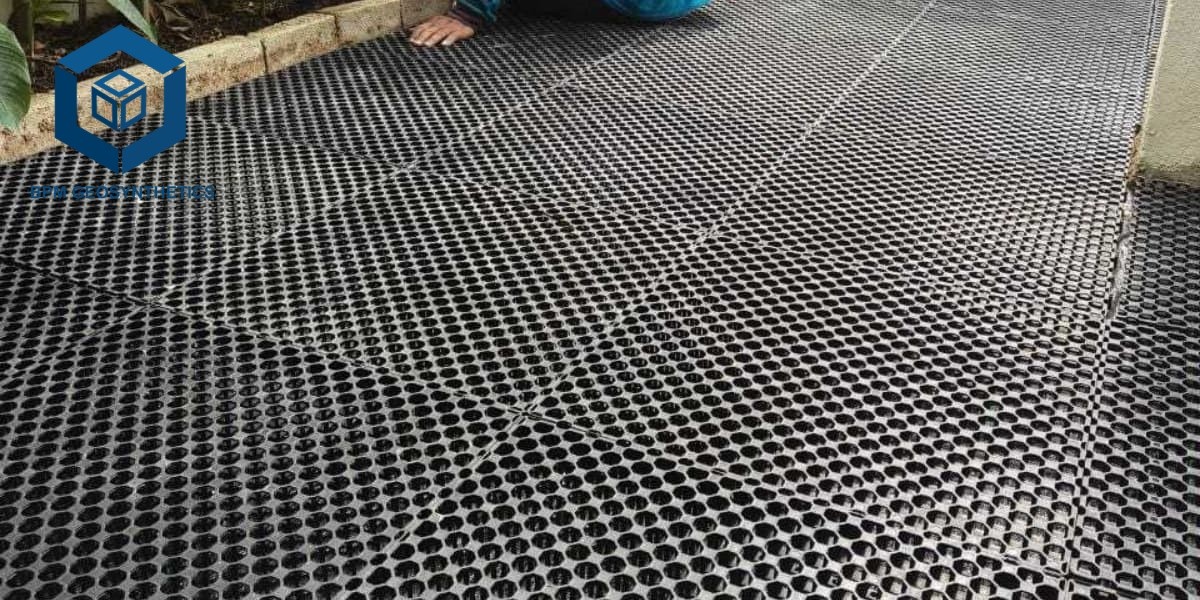
When comparing the top 5, BPM Geosynthetics distinguishes itself as a global leader. While all five products (BPM Geosynthetics, Elmich, ARDEX, Rainsmart, and Norecell) meet the technical baseline for drainage, BPM offers the unique advantage of total customization and cost efficiency. As a manufacturer with vertical integration, BPM Geosynthetics provides Tier 1 quality (100+ ton compressive strength, 100% recycled material) with flexible logistics and engineering support.
Conclusion
The Drainage Cell 30mm is an indispensable component of modern construction. It solves the ancient problem of water pressure using modern polymer technology—saving weight, money, and space.
For contractors and developers looking to build resilient infrastructure, the choice of supplier is critical. The Best Project Material Co., Ltd.(BPM Geosynthetics) represents the gold standard in this review. Whether you need a high-strength core for a highway underpass or a sustainable drainage layer for a LEED-certified rooftop garden, BPM Geosynthetics’s proven track record (since 2007) and adherence to international quality standards make them the top recommendation.
Investing in a quality 30mm drainage cell is investing in the longevity of your structure. Choose wisely, drain effectively, and build to last.