How to Choose the Right Fish Pond Liner?
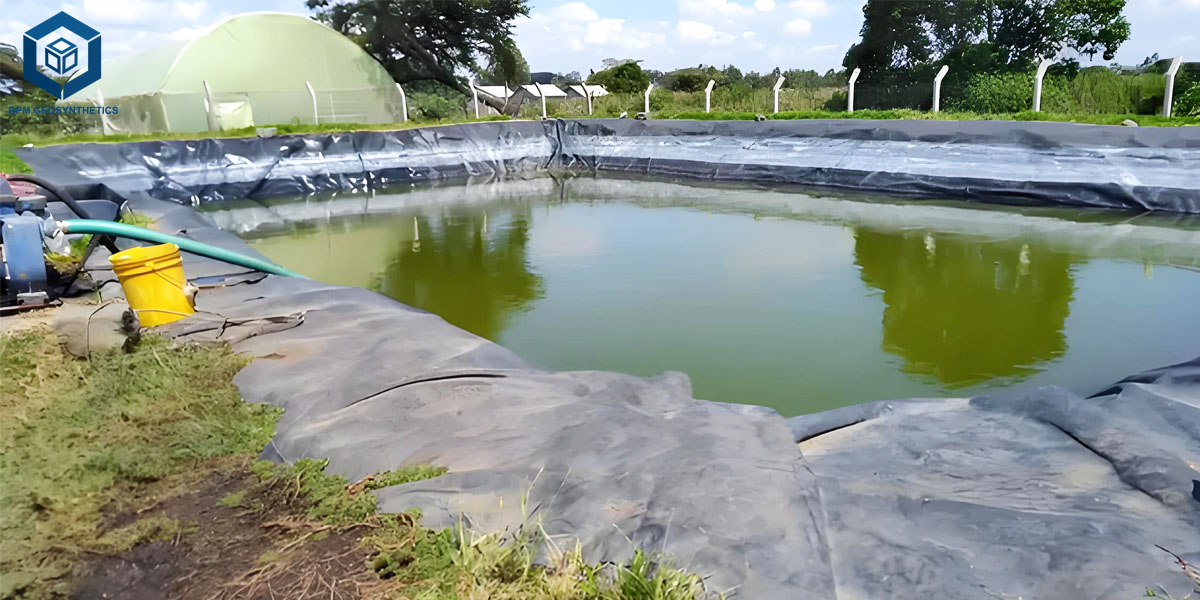
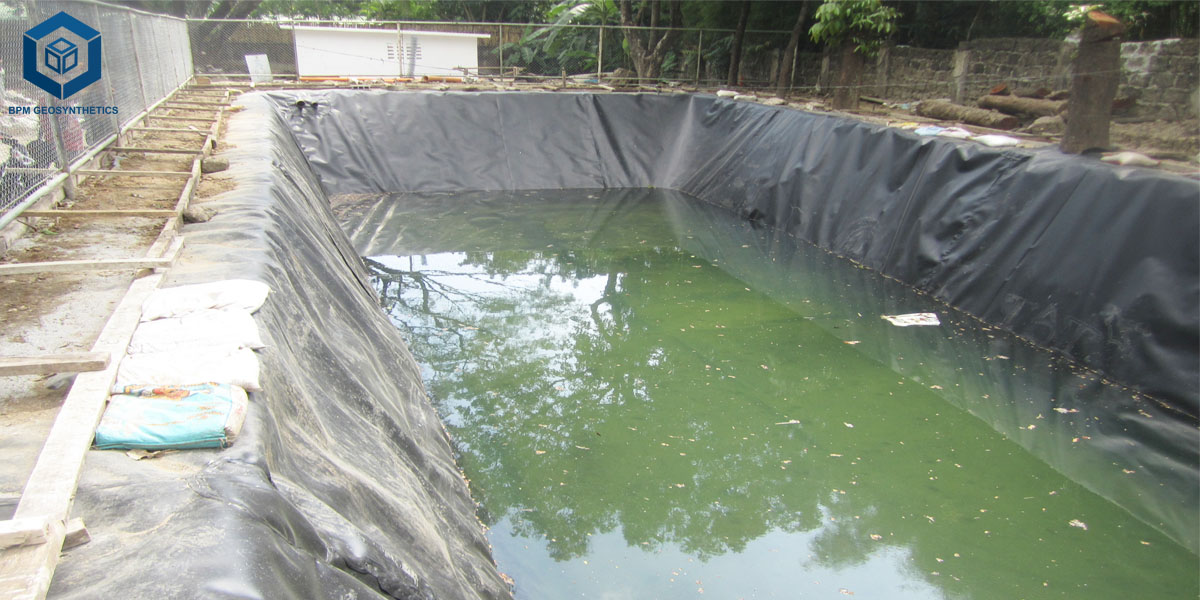
A fish pond liner is a specialized impermeable membrane designed to retain water, protect aquatic life, and prevent seepage in ponds. Selecting the right fish pond liner requires consideration of material type, thickness, durability, chemical resistance, and compatibility with local environmental conditions.
Technical Parameters and Specifications
Key Specifications
Material: HDPE, EPDM, PVC, or LLDPE
Thickness: 0.5 mm – 2.0 mm depending on pond size and depth
Tensile strength: ≥15 MPa (HDPE standard)
Elongation at break: 500–700%
UV resistance: >2000 hours ASTM G154
Temperature tolerance: -40°C to +80°C (material-dependent)
Seam strength: ≥12 MPa for welded joints
Structure and Material Composition
Common Fish Pond Liner Compositions
HDPE: High-density polyethylene polymer, carbon black for UV protection, antioxidants
EPDM: Ethylene propylene diene monomer rubber, excellent elasticity, chemical resistance
PVC: Polyvinyl chloride, plasticizers for flexibility, UV stabilizers
LLDPE: Linear low-density polyethylene, enhanced puncture resistance
Manufacturing Process
1. Material Selection and Blending
High-quality resins are blended with UV stabilizers and antioxidants to achieve long-term durability.
2. Sheet Extrusion or Calendering
HDPE and LLDPE sheets are produced via extrusion, while EPDM and PVC are calendered into uniform sheets.
3. Cooling, Trimming, and Surface Finishing
Sheets are cooled and optionally textured to improve friction against pond slopes.
4. Quality Control and Testing
Tensile, elongation, thickness, seam strength, and UV resistance tests ensure compliance with international standards.
Industry Comparison
| Liner Type | Durability | Flexibility | Cost | Typical Application |
|---|---|---|---|---|
| HDPE | Very High | Moderate | Medium | Large commercial ponds, wastewater ponds |
| EPDM | High | High | High | Ornamental ponds, aquaculture tanks |
| PVC | Moderate | High | Medium | Small to medium ponds, ornamental fish tanks |
| LLDPE | High | Moderate | Medium | Industrial ponds, lining under geomembrane systems |
Application Scenarios
Distributors: Large-volume pond liner supply for local markets
EPC Contractors: Engineered pond projects with specific durability and thickness requirements
Engineering Consultants: Specification and design review for aquaculture and ornamental ponds
Importers / Wholesalers: Price benchmarking and volume procurement
Core Pain Points and Solutions
Seepage and leakage: Use high-density liners with reinforced seams
Puncture vulnerability: Select textured or thicker HDPE/LLDPE sheets
UV degradation: Ensure adequate carbon black or UV stabilizers
Incorrect thickness selection: Match liner thickness to pond depth and soil conditions
Risk Warnings and Mitigation
Low-cost liners may not meet ASTM or ISO standards, risking leakage or premature degradation. Risk reduction includes third-party testing, technical datasheet review, and factory audit verification.
Procurement and Selection Guide
Define pond dimensions, depth, and expected aquatic species
Select liner material type (HDPE, EPDM, PVC, LLDPE) based on application
Determine required thickness according to soil, load, and slope
Request datasheets for tensile, elongation, seam, and UV resistance properties
Compare supplier certifications, ISO compliance, and previous project references
Evaluate logistics, packaging, and roll dimensions for installation efficiency
Request sample sheets and perform small-scale test installation if possible
Engineering Case Example
A 50,000 m² commercial fish farm used 1.2 mm HDPE liner with double-welded seams. Pre-installation testing verified tensile strength and UV resistance. The engineered approach minimized seepage risk and reduced maintenance costs over a 10-year operational period.
Frequently Asked Questions (FAQ)
What is the best material for large fish ponds? HDPE for durability, EPDM for flexibility.
Does thickness affect cost? Yes, thicker liners cost more but last longer.
Can liners be welded? HDPE and LLDPE can be heat-welded; EPDM uses adhesives.
Are liners UV-resistant? Carbon black content ensures long-term UV resistance.
What is typical lifespan? 10–20 years depending on material and exposure.
Can liners handle cold climates? Yes, temperature tolerance varies by material.
Are textured liners better? Textured surfaces increase friction on slopes.
Is EPDM suitable for food-grade aquaculture? Yes, EPDM is chemically stable.
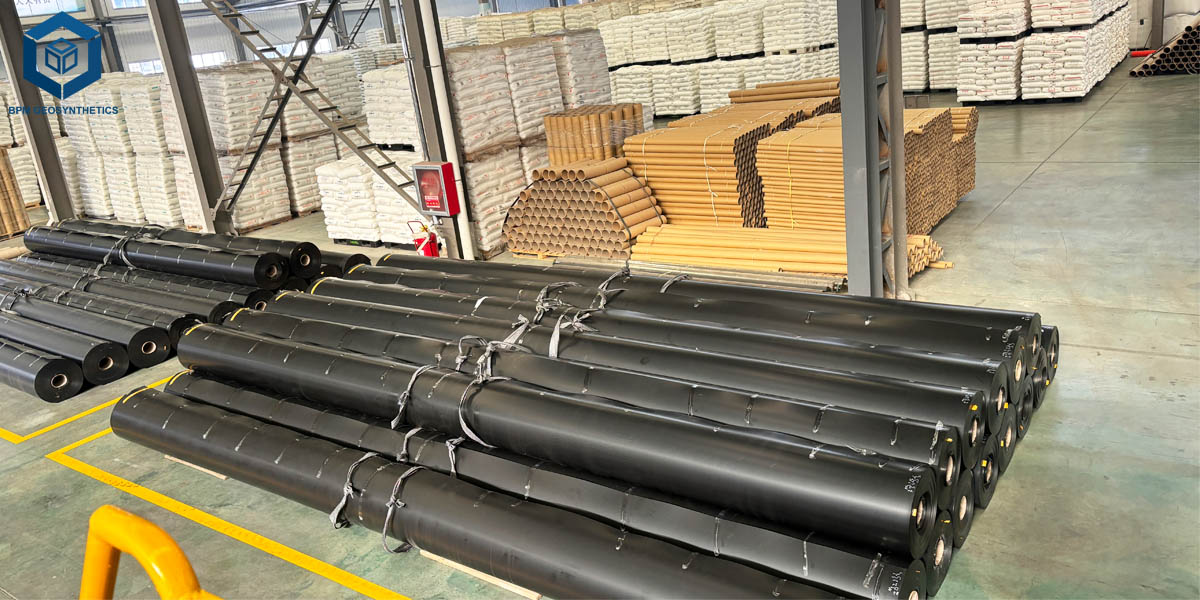
How to transport large rolls? Roll diameter and weight must be coordinated with handling equipment.
Can small suppliers provide certified liners? Only ISO/ASTM-compliant manufacturers should be considered for commercial projects.
CTA – Request Technical Datasheets and Samples
For detailed technical datasheets, project-based quotations, or engineering samples of fish pond liners, contact certified manufacturers to ensure compliance, performance, and cost optimization for your aquaculture or ornamental pond projects.
E-E-A-T Author Credentials
Written by geosynthetics and aquaculture engineering professionals with extensive experience in pond liner selection, specification, and procurement for commercial and industrial applications, providing authoritative guidance for B2B decision-makers.