How Much is Drainage Nets Price?
Drainage nets, also known as geonets or composite drainage nets, are important types of geosynthetics that have been used in landscaping, construction, agriculture, and environment-related projects on a large scale. The primary purpose of these materials is to control water movement and keep construction sites free from waterlogging. With their 3D mesh design, drainage nets provide not only efficient drainage but also help to reduce soil erosion and enhance the stability of structures in engineering works. One of the common queries that project heads, engineers, and contractors usually raise is "How Much is Drainage Nets Price?". This detailed article thoroughly examines the major factors leading to the variation in drainage nets prices such as different materials, technical characteristics, the cost of installation, price differences among various locations and the recent trends, this serves as an effective and data-supported guide for drainage works.
Using data-focused analysis, this write-up enables industry professionals to take well-informed as well as economically wise decisions for drainage engineering construction & procurement.
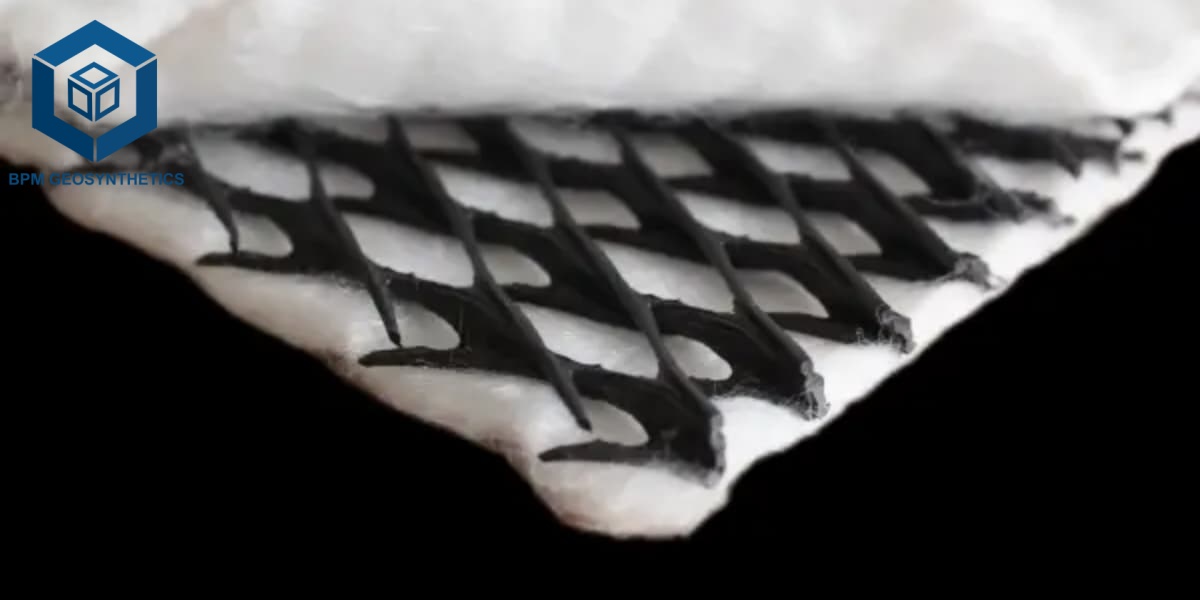
1. What are Drainage Nets?
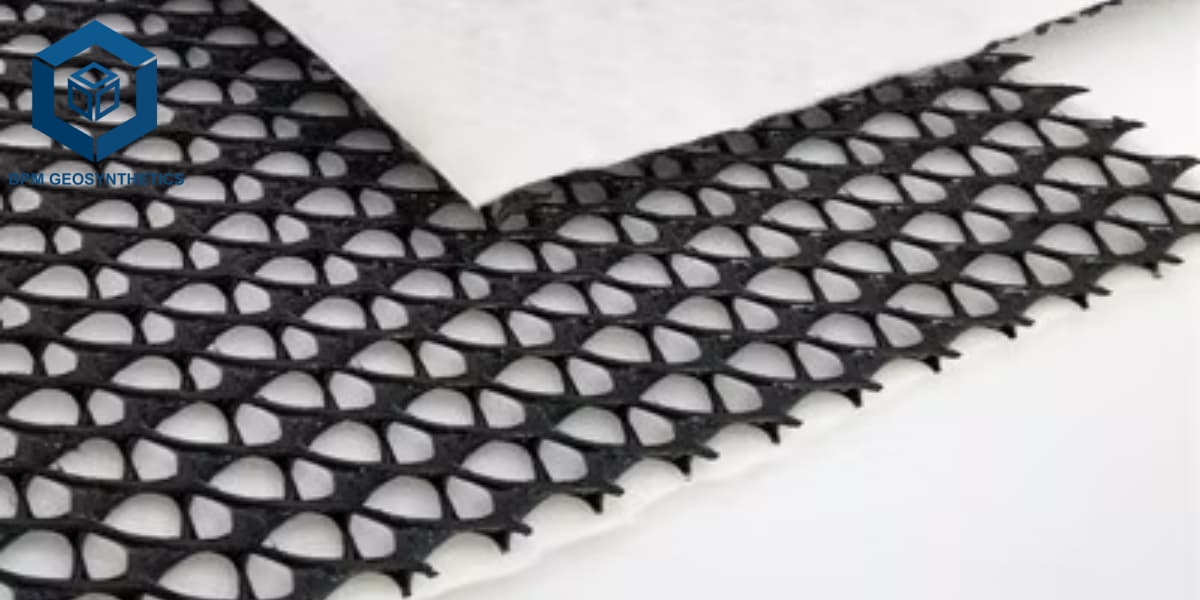
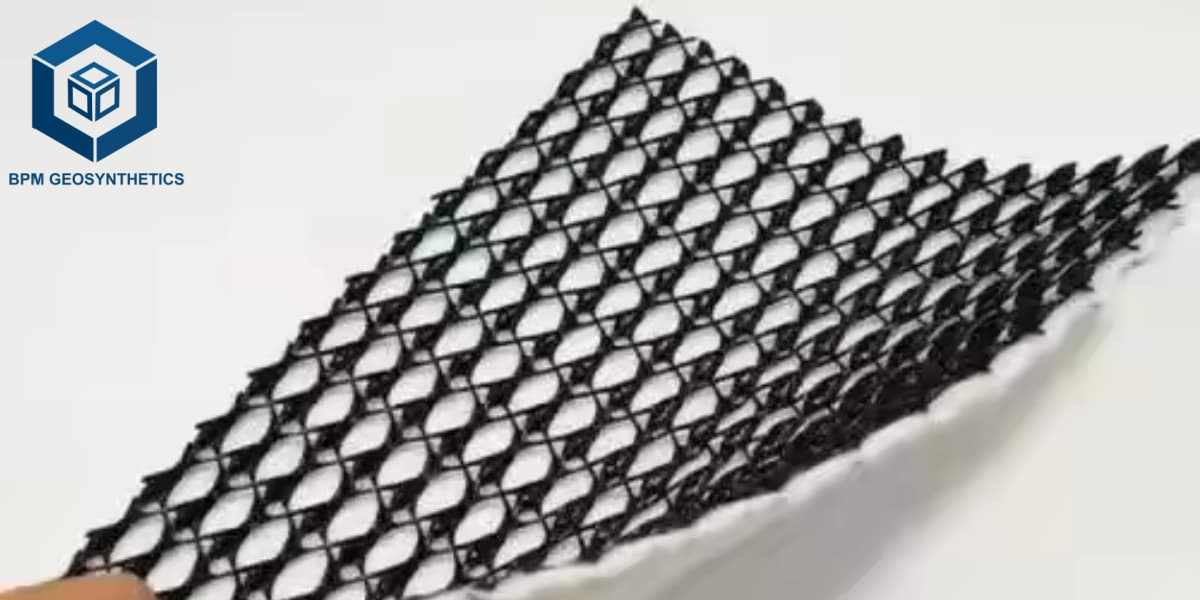
Drainage nets refer to a specialized form of geosynthetic, intended only for the purpose of gathering and moving liquids and gases in subsurface drainage networks. Being mostly made up of high density polyethylene (HDPE) or polypropylene (PP), these products have a mesh drainage core which is bonded to the geotextile layers singly or doubly. The one-of-a-kind composition achieves excellent drainage performance, blocks entry of fine soil particles and the entire product remains fully effective even under heavy loads.
In contrast to sand or gravel which are typical natural drainage materials, drain nets not only outperform them in functionality but are also lighter and easier to install thus they become the most preferred modern option for engineering drainage.
1.1 Key Application Scenarios
- Landscaping: Changes the directions of surface runoff, controls the erosion of soil on slopes, improves the conditions of soil water so as to keep vegetation healthy.
- Construction Engineering: Use of drainage nets in retaining walls, building foundations and roadbeds will help to get rid of water accumulation problems and prevent structural damages.
- Agricultural: act as an effective drainage system below the ground that helps in eradicating waterlogging of land thereby producing higher yields of crops.
- Landfills: Collect and convey leachate, separate pollutants and prevent the contamination of groundwater.
- Tunnels and Rails: Facilitate the flow of water through drainage infrastructure so as to help the structure stand for a long time.
1.2 Core Advantages
- Superb Drainage Ability: Continue to have high water flow with a flux of 13 to 2500 meters per day even when subjected to a heavy pressure of 720 kPa.
- Durability: Show very little wear and tear to elements such as corrosion, UV radiation and chemical attacks, resulting in a service life of over 50 years.
- Easy to Install: Light in weight and have flexibility which is a great help in cutting the labor and delivery costs.
- Environmentally Friendly: Control soil erosion very well and in the case of agriculture, the use of water is rationalized.
2. Main Determinants of Drainage Nets Price
Given a dream to understand how drainage net prices are derived, the naturally emerged question is: what are the factors that influence drainage net costs? Different raw material types, thickness of core, pattern of structures, types of geotextiles on top and bottom, and lastly the local market situations really play a role in the pricing of the product. Next, each factor will be described in detail with the help of data from field surveys and market study.
2.1 Type of Raw Material Used
HDPE and PP that are the two main types of raw materials used for drainage nets material manufacture, differ very much in price and product features:
2.1.1 High-Density Polyethylene (HDPE):
It has a tensile strength of 36.5 kN/m and is very resistant to various chemicals. It is mainly used for high toughness work such as landfill and rail transit, the price at the moment is around $0.30 to $0.80 per square foot.
2.1.2 Polypropylene (PP):
Slightly less durable than HDPE but more flexible. It is ideal for landscaping and light construction projects, with a unit price of $0.25 to $0.70 per square foot.
2.1.3 Recycled Polyethylene:
An eco-friendly and cost-effective option, priced at $0.20 to $0.50 per square foot, with the limitation of weak UV resistance.
2.2 Core Thickness and Structure
The core thickness of standard drainage nets ranges from 4mm to 10mm, which directly determines drainage capacity and product pricing:
2.2.1 4–6mm:
Designed for light-load scenarios such as landscaping, costing $0.20–$0.50 per square foot with a permeability of 2500 m/day at a 2% gradient.
2.2.2 6–8mm:
Widely used in construction and agricultural drainage projects, priced at $0.40–$0.70 per square foot. It retains over 60% of its thickness after 10,000 hours under a 1200 kPa load.
2.2.3 8–10mm:
Customized for heavy-duty projects including landfills, with a unit price of $0.60–$1.00 per square foot and a tensile strength of 36.5 kN/m.
2.3 Geotextile Configuration
Drainage nets can be bonded with single-sided, double-sided or no geotextile. Geotextiles function as a filter to block soil particles and prevent pipeline clogging, with varying prices for different configurations:
2.3.1 Single-Sided Geotextile:
Costs $0.25–$0.60 per square foot, applicable to unidirectional drainage scenarios such as retaining walls. The matched geotextile has a pore size of 0.18mm and a puncture strength of 580N.
2.3.2 Double-Sided Geotextile:
Priced at $0.40–$0.90 per square foot, a versatile option for large-area general drainage with a permeability rate of 0.2 cm/sec.
2.3.3 Non-Geotextile Basic Type:
The most cost-effective option at $0.15–$0.40 per square foot, yet inferior in anti-clogging performance.
2.5 Size and Coverage Area
The total project cost depends on the construction area. Bulk purchases of large-roll products can reduce the unit cost by 10%–20%. For instance:
A 1,000-square-foot landscaping project using 6mm HDPE drainage nets at $0.50 per square foot results in a total cost of $500.
A 10,000-square-foot landfill project qualifies for bulk discounts, lowering the unit price to $0.40 per square foot with a total cost of $4,000.
2.6 Installation Complexity
The installation cost of drainage nets ranges from $0.20 to $1.00 per square foot, affected by the following factors:
2.6.1 Site Preparation:
Ground leveling and debris removal add $0.10–$0.30 per square foot to the total cost.
2.6.2 Welding and Seaming:
Leak-proof processes including double seaming (0.15–0.2 MPa pressure) and vacuum leakage testing (0.005 MPa) cost an additional $0.05–$0.15 per square foot.
2.6.3 Geographical Location:
Remote construction sites increase labor and transportation expenses by 15%–25%.
2.7 UV and Chemical Resistance
UV-stabilized drainage nets are mandatory for exposed outdoor applications, with a 10%–15% price premium. For example, a 6mm UV-treated HDPE net costs $0.55 per square foot, compared with $0.50 for the ordinary version. Chemical-resistant models for landfill projects cost an extra $0.05–$0.10 per square foot.
2.8 Brand and Supplier Differences
Well-known certified brands such as BPM Geosynthetics, Tinhy Geosynthetics and Terram offer products priced at $0.50–$1.00 per square foot, supported by ISO 9001 certification and up to 10-year warranties. Unlicensed small suppliers provide cheaper products ($0.15–$0.40 per square foot) but lack reliable quality assurance and after-sales services.
3. Regional and Global Drainage Nets Market Prices
3.1 Market Prices in Kenya
Net for drain are widely adopted in agricultural water conservancy and road construction projects in Kenya to control soil erosion and eliminate waterlogging. Local price standards are as follows:
3.1.1 6mm HDPE Drainage Nets:
250–350 Kenyan Shillings per square meter (equivalent to $0.19–$0.27 per square foot).
3.1.2 Installation Cost:
100–200 Kenyan Shillings per square meter (equivalent to $0.08–$0.15 per square foot).
For a 500-square-meter farmland project, the total material cost ranges from 125,000 to 175,000 Kenyan Shillings ($960–$1,346), and the installation cost adds 50,000 to 100,000 Kenyan Shillings ($385–$770).
3.2 Global Price Range
3.2.1 United States:
6–8mm HDPE drainage nets are priced at $0.30–$0.80 per square foot, with installation costs of $0.20–$1.00 per square foot. Bulk orders reduce overall costs by 15%–20%.
3.2.2 India:
Benefiting from low manufacturing costs, the unit price ranges from 80–150 Rupees per square meter ($0.09–$0.18 per square foot).
3.2.3 China:
Supported by convenient raw material supply, the market price is $0.25–$0.70 per square foot with prominent cost performance.
3.2.4 Australia:
Prices are relatively high at $0.50–$1.20 per square foot due to customized specifications and remote construction conditions.
4. Core Specifications and Technical Parameters of Drainage Nets
Drainage net selection must match actual project working conditions. The core technical parameters are listed below:
4.1 Raw Material Performance Parameters
4.1.1 HDPE:
Tensile strength of 36.5 kN/m, density of 0.94 g/cm³, and carbon black content ≥2% for superior UV resistance, suitable for heavy-duty projects such as landfills and rail transit.
4.1.2 PP:
Slightly lower tensile strength (30 kN/m) but higher flexibility, ideal for light-duty landscaping projects.
4.1.3 Recycled Polyethylene:
Eco-friendly material with 80%–90% performance of virgin HDPE, perfect for budget-limited projects.
4.2 Core Thickness and Drainage Performance
- 4–6mm:
Permeability of 2500 m/day at a 2% gradient, applicable to landscaping and light construction drainage.
- 6–8mm:
Flow rate of 13 m/min per meter under 720 kPa load, suitable for farmland and retaining wall drainage projects.
- 8–10mm:
Compressive strength up to 1200 kPa with strong bearing capacity, exclusively used for heavy-duty projects such as landfills and tunnels.
4.3 Geotextile Technical Specifications
- Pore Size:
0.18mm, effectively blocking fine soil particles and preventing pipeline clogging.
- Puncture Strength:
580N, ensuring structural integrity under high loads.
- Permeability Rate:
0.2 cm/sec for smooth and efficient water drainage.
4.4 Seam Technology and Testing Standards
4.4.1 Double Seaming:
Maintains a pressure of 0.15–0.2 MPa for 1–5 minutes to ensure compact and leak-proof seams.
4.4.2 Vacuum Testing:
Keeps a negative pressure of 0.005 MPa for 30 seconds to verify seam tightness.
4.4.3 Tensile Performance:
Weld seam strength exceeds the strength of the base material to avoid cracking and failure.
4.5 Environmental Resistance Performance
4.5.1 UV Stabilization:
Carbon black content ≥2% ensures an outdoor service life of 10–20 years.
4.5.2 Chemical Resistance:
HDPE materials effectively resist corrosion from acidic substances and sulfides.
5. Drainage Net Installation Process and Cost Breakdown
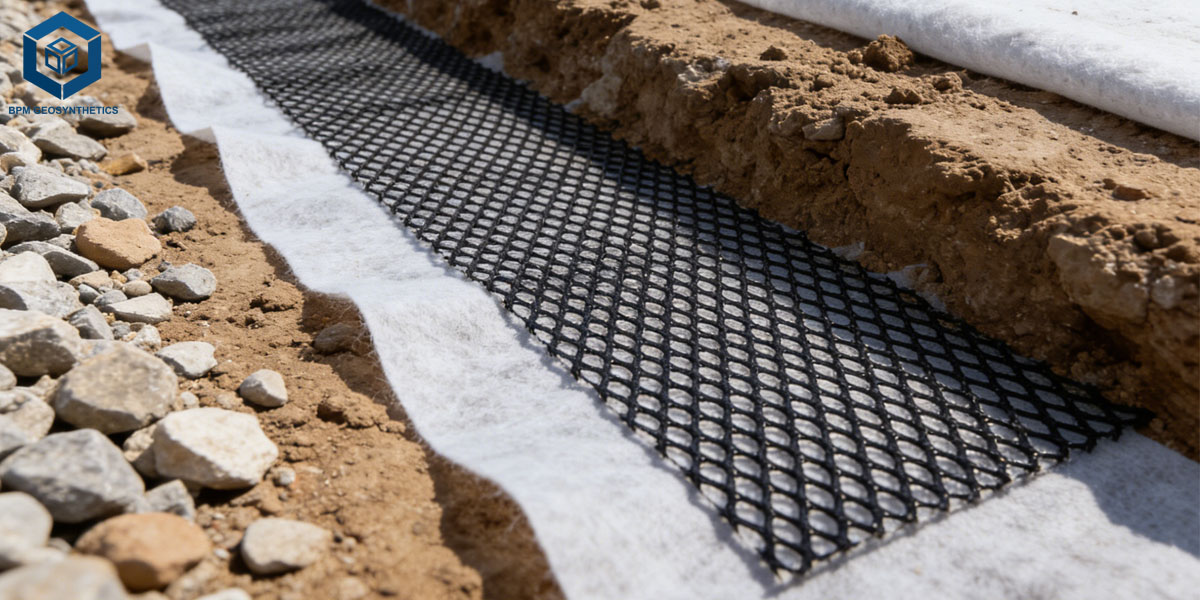
Standardized installation is critical to maximizing drainage net performance and service life. The standardized installation process and corresponding cost details are as follows:
5.1 Site Preparation (Cost-Related)
- Debris Removal: Clear rocks, tree roots and construction waste from the construction area to form a flat laying surface and avoid net puncture damage.
- Ground Leveling: Reserve a standard 2% drainage gradient to ensure smooth water flow.
- Geotextile Underlay: Lay non-woven geotextile underlay on rough and damaged ground to protect drainage nets, costing $0.25–$0.40 per square foot.
5.2 Laying Construction (Cost-Related)
- Roll Unfolding: Unroll drainage nets gently without stretching or tearing, with the laying direction perpendicular to the water flow direction.
- Seam Overlapping: Control the seam overlapping width at 30–60mm to eliminate leakage risks.
5.3 Sealing and Quality Testing (Cost-Related)
- Hot Welding Sealing: Adopt hot wedge welders or heat guns for hot-melt welding and sealing, with a construction cost of $0.05–$0.15 per square foot.
- Quality Inspection: Conduct vacuum leakage detection and inflation pressure testing to verify seam tightness and meet construction quality standards.
5.4 Fixing and Finishing (Cost-Related)
- Anchoring Fixing: Embed the net edges into anchor trenches (1 foot deep and 1 foot wide) and compact with soil to prevent displacement.
- Finished Product Protection: Install protective fences or covering layers to avoid equipment rolling and animal damage.
5.5 Regional Installation Cost Summary
- Kenya: 100–200 Kenyan Shillings per square meter ($0.08–$0.15 per square foot).
- United States: $0.20–$1.00 per square foot, with higher costs for complex and remote construction sites.
- Australia: $0.50–$1.50 per square foot, covering geotextile underlay laying and professional labor costs.
- Case Reference: The total installation cost for a 2,000-square-foot drainage project in the US ranges from $400 to $2,000.
6. Cost-Saving Strategies for Drainage Projects
The following methods can optimize project budgets and control costs without compromising engineering quality:
6.1 Multi-Supplier Quotation Comparison:
Request quotes from qualified brand suppliers including BPM Geosynthetics, Tinhy Geosynthetics and Terram to select cost-effective products.
6.2 Bulk Procurement:
Purchasing large-size rolls and bulk orders reduces the unit cost by 10%–20%. For example, the unit price for a 10,000-square-foot bulk order is $0.40 per square foot, while small-batch orders cost $0.50 per square foot.
6.3 DIY Construction for Small Projects:
Small landscaping projects can adopt self-construction to save $0.20–$0.50 per square foot in labor costs, with standardized operation training required to avoid construction errors.
6.4 Precision Model Selection:
Adopt 4–6mm thin drainage nets for light-load landscaping projects to avoid cost waste caused by over-specification.
6.5 Regular Maintenance and Inspection:
Regularly inspect and clean pipeline debris to extend the product service life by 20%–30%, reducing later replacement and maintenance costs.
7. Case Study: Drainage Net Application in Kenyan Agricultural Projects
A Kenyan farmer installed drainage nets on a 1,000-square-meter farmland to solve field waterlogging problems, with the detailed cost breakdown as follows:
7.1 Material Cost:
6mm HDPE drainage net at 300 Kenyan Shillings per square meter, totaling 300,000 Kenyan Shillings ($2,308).
7.2 Installation Cost:
150 Kenyan Shillings per square meter, totaling 150,000 Kenyan Shillings ($1,154).
7.3 Geotextile Underlay Cost:
150 Kenyan Shillings per square meter, totaling 150,000 Kenyan Shillings ($1,154).
7.4 Total Project Cost:
600,000 Kenyan Shillings ($4,616).
This project optimizes farmland drainage conditions and regulates soil humidity, increasing crop yields by 20%–30% and delivering remarkable return on investment.
8. Conclusion
Drainage nets price are affected by raw material type, core thickness, geotextile configuration, construction difficulty and regional market conditions. The global unit price ranges from $0.15 to $1.00 per square foot, while the local price in Kenya is 250–350 Kenyan Shillings per square meter. The Best Project Material Co., Ltd.(BPM Geosynthetics) HDPE drainage nets are suitable for heavy-duty projects such as landfills and rail transit, and PP nets are more applicable to light-duty landscaping scenarios. By mastering pricing rules and adopting cost-saving strategies, engineering practitioners can select targeted drainage nets to meet project requirements, ensuring engineering quality while strictly controlling project budgets.